



 EN
EN  RU
RU 
Global cold chain logistics has traditionally focused on maintaining frozen cargo at temperatures around −18°C. This temperature range is sufficient for most conventional frozen food products such as meat, vegetables, and processed meals. However, the rapid globalization of high-value food products, pharmaceuticals, and biotechnology materials has created a growing need for far lower storage temperatures. Many sensitive products require environments approaching −60°C to preserve their structural integrity, biochemical stability, and commercial value.
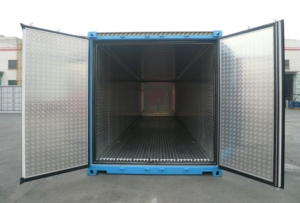
This shift has led to the emergence of super freezer containers, a specialized class of ultra-low temperature shipping containers designed to maintain temperatures far below the capabilities of standard refrigerated units. Unlike conventional reefers, which operate efficiently within moderate frozen ranges, super freezer containers are engineered specifically to support deep-freeze logistics across long international supply chains.
Maintaining 60°C temperatures during maritime shipping, intermodal transportation, and long-distance storage requires a combination of advanced refrigeration systems, high-performance insulation, intelligent temperature control technologies, and carefully designed operational procedures. These containers represent a significant technological evolution in the cold chain industry, enabling the safe transport of products that were previously difficult to ship globally without compromising quality.
The Rising Demand for Ultra-Low Temperature Cold Chain Logistics
The demand for ultra-low temperature transport has grown steadily over the past decade, driven by several industries that require precise thermal control during storage and transportation. As global trade expands and supply chains stretch across continents, maintaining stable environmental conditions for sensitive cargo has become a critical logistical challenge.
One of the most prominent drivers is the international trade of premium seafood, particularly sashimi-grade tuna. High-quality tuna must be frozen rapidly after capture and maintained at approximately −60°C to preserve its color, texture, and cellular structure. At higher temperatures, even if the product remains technically frozen, biochemical degradation can occur. Ice crystal formation damages muscle fibers, resulting in changes to texture and appearance that reduce product value.
The pharmaceutical industry also contributes significantly to the expansion of ultra-low temperature logistics. Many biologic medicines, vaccines, enzymes, and genetic materials are highly sensitive to temperature fluctuations. Maintaining deep-freeze conditions helps prevent molecular degradation and ensures product efficacy throughout distribution.
Biotechnology research institutions represent another rapidly growing segment of ultra-cold logistics demand. Laboratories frequently exchange biological samples, cell cultures, and DNA materials across international research networks. These materials often require consistent storage below −40°C or −60°C to maintain stability.
Beyond healthcare and research, specialized food sectors are increasingly relying on deep-freezing techniques to preserve premium ingredients. High-value seafood, specialty meats, and certain delicate food products benefit from ultra-low temperature preservation because it minimizes quality loss during long storage periods.
These market trends have created a clear need for reliable containerized transport systems capable of sustaining extremely low temperatures while operating efficiently within global shipping infrastructure.
Engineering Principles Behind Super Freezer Containers
Operating at temperatures near −60°C presents engineering challenges that go far beyond those encountered in standard refrigerated containers. Heat transfer dynamics, compressor performance, insulation requirements, and material durability all become significantly more demanding as temperatures decrease.
At the core of every super freezer container is a refrigeration system specifically designed for ultra-low temperature operation. Traditional single-stage refrigeration systems are typically insufficient for maintaining deep-freeze conditions. Instead, many ultra-low temperature systems employ advanced compressor technologies capable of operating at extremely low suction pressures. Some configurations use multi-stage compression cycles or specialized refrigerants optimized for low-temperature thermodynamic performance.
Equally important is the container’s thermal insulation system. When internal temperatures reach −60°C, the difference between the container interior and external environmental conditions can exceed 80°C in certain climates. This temperature gradient creates a strong driving force for heat infiltration through container walls.
To minimize heat gain, super freezer containers incorporate thicker insulation layers and high-density polyurethane materials that significantly reduce thermal conductivity. Improved insulation reduces the workload placed on refrigeration components and improves overall energy efficiency.
Airflow management is another critical design element. Maintaining uniform temperature distribution throughout the container ensures that all cargo experiences consistent cooling conditions. Carefully designed circulation fans distribute cold air evenly while preventing temperature stratification within the cargo space.
Digital monitoring systems provide continuous oversight of internal conditions. Temperature sensors, airflow monitors, and compressor performance indicators feed real-time data to control systems that regulate refrigeration output and maintain stable environmental conditions.
Together, these engineering elements enable super freezer containers to sustain extremely low temperatures reliably, even during extended international shipping routes.

Key Differences Between Standard Reefer Containers and Super Freezer Containers
Although super freezer containers resemble conventional refrigerated containers externally, their internal design and performance capabilities differ significantly. These differences reflect the additional engineering demands associated with ultra-low temperature operation.
| Feature | Standard Reefer Container | Super Freezer Container |
|---|---|---|
| Typical Temperature Range | −25°C to +25°C | Down to −60°C |
| Primary Applications | Frozen food, dairy, and vegetables | Premium seafood, pharmaceuticals, and biotech samples |
| Refrigeration System | Single-stage compressor | Multi-stage or ultra-low temperature compressor systems |
| Insulation Thickness | Standard polyurethane insulation | Reinforced high-density insulation |
| Energy Consumption | Moderate | Higher due to extreme cooling requirements |
| Temperature Stability | Suitable for general frozen cargo | Designed for ultra-sensitive cargo |
These distinctions highlight why standard refrigerated containers cannot reliably support ultra-low temperature logistics. Their refrigeration systems and insulation structures are optimized for moderate frozen environments rather than extreme deep-freeze conditions.
Super freezer containers, by contrast, are purpose-built for applications where temperature stability directly determines cargo quality and value.
Operational Challenges in Maintaining −60°C Transport
Even with advanced refrigeration systems, maintaining consistent −60°C conditions during international transportation requires careful operational planning. Several logistical factors must be controlled to ensure reliable temperature performance.
One of the most important considerations is pre-cooling. Before cargo is loaded, the container must be stabilized at the target temperature. Introducing warm cargo into an ultra-low temperature environment can significantly increase the refrigeration load and extend the time required to reach stable operating conditions.
Power supply reliability also becomes critical. Ultra-low temperature refrigeration systems consume more energy than standard reefers, particularly during the initial cooling phase. Ports, container terminals, and vessels must provide stable electrical connections to support continuous operation.
Handling procedures must minimize door openings and exposure to ambient air. When a container operating at −60°C is opened, warm external air rapidly enters the cargo space, increasing internal temperature and forcing compressors to work harder to restore stable conditions.
Regular monitoring throughout the transportation process ensures that any deviations are detected quickly. Modern logistics systems increasingly rely on remote monitoring technologies that track container temperature and operational status in real time.
Major Industrial Applications of Super Freezer Containers
Super freezer containers have become essential tools in several industries where product integrity depends on strict temperature control. Although their use was once limited to niche markets, the range of applications continues to expand as global supply chains evolve.
Premium seafood exports remain one of the largest application areas. High-grade tuna destined for sushi and sashimi markets must maintain its natural color and texture throughout the entire transportation process. Ultra-low temperature freezing prevents cellular damage and preserves the quality expected by consumers.
Pharmaceutical distribution networks also rely heavily on deep-freeze logistics. Certain vaccines, biological therapies, and research compounds require extremely stable temperature conditions during storage and shipping. Ultra-low temperature containers provide a reliable solution for transporting these sensitive materials across long distances.
Biotechnology and medical research institutions frequently transport biological samples between laboratories worldwide. Maintaining consistent deep-freeze conditions ensures that cellular structures, enzymes, and genetic materials remain intact during transit.
The growing global market for premium frozen foods has also contributed to demand for ultra-low temperature transport. Certain high-value ingredients benefit from deeper freezing because it preserves flavor, texture, and nutritional quality more effectively than conventional freezing methods.
Energy Efficiency Considerations in Ultra-Low Temperature Refrigeration
Operating a refrigeration system at −60°C inevitably requires significant energy input. However, advances in refrigeration technology and insulation design have improved the efficiency of modern super freezer containers.
Several factors influence energy consumption in ultra-low temperature systems:
| Efficiency Factor | Impact on Energy Consumption |
|---|---|
| Insulation thickness | Reduces heat infiltration and compressor workload |
| Compressor efficiency | Determines the power required to maintain low temperatures |
| Ambient temperature | Higher external temperatures increase cooling demand |
| Air circulation design | Ensures uniform cooling without excessive fan energy |
| Cargo loading density | Influences airflow patterns and thermal distribution |
Improving these design elements can significantly reduce operating costs while maintaining the required temperature stability.
Manufacturers continue to invest in more efficient compressors, optimized refrigerants, and advanced insulation materials to improve performance. As sustainability becomes a growing priority in global logistics, energy-efficient ultra-low temperature systems will become increasingly important.
Future Trends in Ultra-Low Temperature Container Technology
The next generation of super freezer containers will likely incorporate several technological advancements aimed at improving reliability, efficiency, and monitoring capabilities.
Digitalization is expected to play a major role. Real-time temperature monitoring, predictive maintenance systems, and integrated logistics platforms allow operators to track container performance continuously throughout transportation.
Refrigeration technology will also continue evolving. New compressor designs and refrigerant formulations may improve low-temperature efficiency while reducing environmental impact.
Infrastructure development is another important trend. As demand for ultra-low temperature logistics increases, ports and logistics hubs are investing in specialized facilities capable of supporting these containers. Dedicated power connections, improved handling procedures, and integrated cold storage facilities help maintain stable conditions throughout the transportation process.
Finally, the expansion of global markets for high-value temperature-sensitive products will continue driving adoption. Industries that once relied on localized supply chains are increasingly shipping products worldwide, creating new opportunities for ultra-low temperature logistics solutions.
Why Super Freezer Containers Are Becoming Essential to Global Cold Chains
The ability to maintain temperatures as low as −60°C during long-distance transportation represents a major advancement in cold chain technology. Super freezer containers allow industries to move highly sensitive products across global supply networks while preserving quality, safety, and commercial value.
From premium seafood exports to pharmaceutical distribution and biotechnology research, many modern industries depend on ultra-low temperature logistics to protect delicate materials. Standard refrigeration systems cannot provide the stability required for these applications, making specialized deep-freeze containers an indispensable part of modern supply chains.
As global trade continues to expand and product sensitivity increases, the demand for reliable ultra-low temperature transportation will grow. Super freezer containers provide the engineering reliability and operational stability needed to support this evolving landscape.
By combining advanced refrigeration technology, enhanced insulation systems, and intelligent monitoring capabilities, these containers ensure that even the most temperature-sensitive cargo can travel safely across the world’s oceans while maintaining precise environmental control.
CIMC TLC | RYC | XLC is a leading manufacturer of super freezer containers and a wide range of standard and customized logistics equipment. With years of industry experience, the company focuses on the design, production, and distribution of high-quality, innovative solutions that meet the specific needs of customers worldwide. Its product portfolio covers refrigerated containers, cold chain systems, containerized equipment integration, modular buildings, and more — all built with precision and creativity.