
 EN
EN  RU
RU 
Mature Manufacturer of Logistic Equipment

Logistic Equipment Container
● Nearly 30 years’ experience of special logistics equipment & cold chain equipment design and production
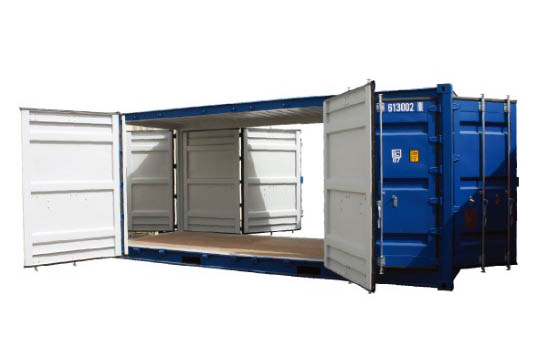
● Large-scale production of standard dry boxes and conventional special boxes (open top, side open, bulk container etc.)
● Highly customized special reefer containers, to meet the individual needs of customers
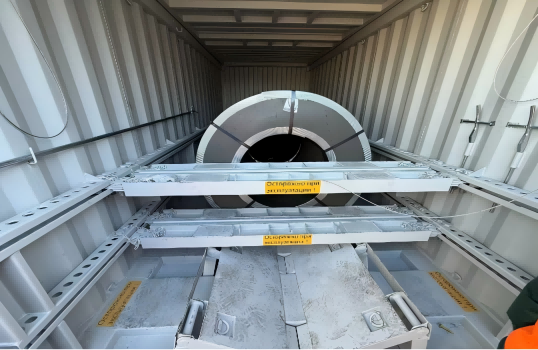
● According to different application scenarios, to develop proprietary products such as mining containers, coil containers,
wing containers, vehicle loading frames, single/combined cold storage, road-railway reefer containers, offshore containers etc.
● Highly customized special reefer containers, to meet the individual needs of customers
Logistic Equipment Container
Product Blog
Product List



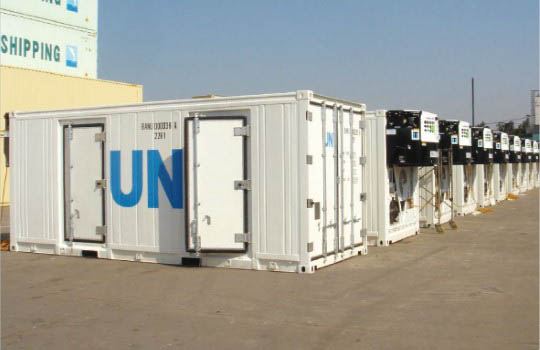

Tips for Using Containers
The composition of the container
Container refers to a large loading container with a certain strength, rigidity, and specifications for turnover.
There are many types of containers, and their uses are also very different.
A container, also known as a cargo box or a container, is a box of freight equipment that is standardized and produced according to specifications. It can be used repeatedly and has certain strength, rigidity and integrity to facilitate mechanical loading and unloading. Because the container can be easily transferred and transported, it greatly expands its spread and use around the world.
The structure of the Logistic Equipment Container is mainly divided into the following parts: steel frame, corrugated side wall panels that form the enclosure of the box, floor and its additional beams, opening doors and their accessories, and components for loading and unloading. Various components are welded to each other to form a box structure with complete independence.
As a well-known container producer in China and even in the world, if you have any questions about container price, container cost, or container rate, please send us an email immediately, and we will give you a professional reply.

Container Number
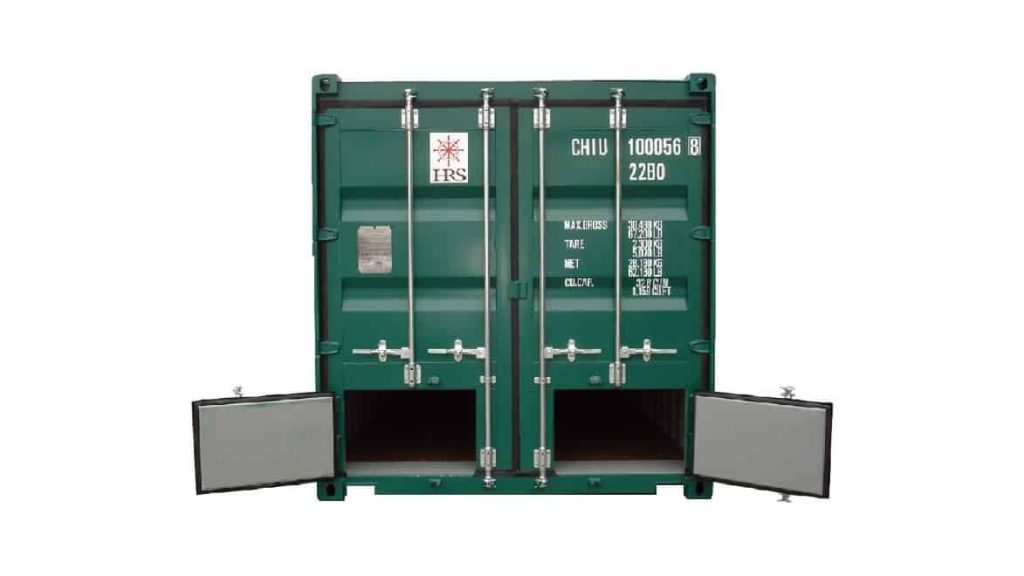
The container factory standard container number consists of 11-digit codes, including three parts.
- The first part consists of 4 English letters. The first three codes mainly describe the owner and operator of the container, and the fourth code indicates the type of container.
- The second part consists of 6 digits. It is the box registration code, which is used for the unique identification of a container box.
- The third part is the check code, which is obtained from the first 4 letters and 6 digits through the check rule operation and is used to identify whether an error occurs during the check. i.e. the 11th digit.
Precautions for shipping container transportation
When general enterprises export, they are mainly worried about the wrong cargo data, damage to the cargo and data inconsistent with the customs declaration data during the loading process, so that the customs will not release it. Therefore, before loading the container, the shipper, warehouse, and forwarder must coordinate and considerately to avoid this situation.
- Goods of different shapes and packages should not be packed together as much as possible.
- The goods that will seep dust, liquid, moisture, odor, etc. from the packaging should not be put together with other goods as much as possible. “As a last resort, use canvas, plastic film or other materials to separate.”
- Light weight goods are placed on top of relatively heavy weight goods.
- Goods with weak packaging strength should be placed on top of goods with strong packaging strength.
- Liquid goods and cleaning goods should be placed under other goods as much as possible.
- Goods with sharp corners or protruding parts should be covered to avoid damage to other goods.
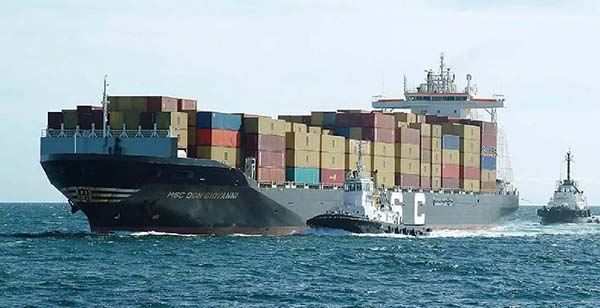
Shipping container loading skills
- In any case, when the goods are loaded into the container, the weight of the goods in the box cannot exceed the maximum loading capacity of the container, that is, the total amount of the container minus the self-weight of the container. Under normal circumstances, the gross weight and dead weight will be marked on the door of the container.
- The unit weight of each container is fixed once after they were produced by the container factory, so when loading the same kind of goods in the box, as long as the density of the goods is known, it can be determined whether it is heavy or light. The timely and clear distinction between these two different situations is important to improve the efficiency of packing.
- When loading, the load on the bottom of the box should be balanced, and it is strictly forbidden to have the center of gravity of the load on one end.
- Avoid generating concentrated loads. “For example, when loading heavy goods such as machinery and equipment, the bottom of the box should be covered with lining materials such as wood boards to disperse the load as much as possible. The average safe load per unit area of the bottom surface of a standard container is rough: 20-foot container is 1330×9.8N/m, 40 feet container is 980×9.8N/m2.
- When using manual loading, pay attention to whether there are loading and unloading signs such as “cannot be inverted”, “flat” and “vertical” on the package. Be sure to use the loading tool correctly, and the use of hand hooks is prohibited for bundled goods. The goods in the container factory should be packed neatly and tightly stacked. For bulky and fragile goods, use padding or insert plywood between the goods to prevent the goods from moving within the box.
- When loading pallet cargo, it is necessary to accurately grasp the internal dimensions of the container and the external dimensions of the cargo packaging, so as to calculate the number of loaded pieces, so as to achieve the purpose of minimizing abandoned positions and loading more cargoes.
- When packing with a forklift truck, it will be limited by the free lifting height of the machine and the height of the gantry. Therefore, if conditions permit, the forklift can load two layers at a time, but there must be a certain gap between the top and