



 EN
EN  RU
RU 
In today’s design world, the term bar container has become more than a trend—it has evolved into a statement about how we view space, mobility, and creativity in hospitality. Once confined to the world of freight and logistics, shipping containers are now being reborn as vibrant social hubs, retail venues, and mobile bars that merge industrial utility with lifestyle elegance. A bar container is, at its core, a repurposed or purpose-built shipping container transformed into a bar, café, or beverage booth, designed to deliver functionality, flexibility, and aesthetic appeal in one compact structure.
The actual magic of the bar container is not only about how it is built, but mostly about how it creates new gathering concepts. From music festivals to beachfront resorts, pop-up events to boutique hotels, these modular spaces are changing how people connect, celebrate, and experience hospitality.
The Concept Behind the Bar Container
The bar container concept comes from the worldwide move to modular design and flexible use. As cities get denser and buyers want more green and thoughtful design, firms now look for spots that are as moving as their customers. The bar container rose from this change: a whole, portable bar setup that can be moved, opened up, and ready to use in just hours.
A container bar is not like the normal brick-and-mortar bars. It does not sit on any fixed foundation. This is actually a structure that moves with the business; thus, it redefines what it means to serve and socialize. Its steel shell- rugged, durable, and inherently modular-is what provides both the strength and the creative freedom to adapt to any environment: be that an urban plaza, a rural vineyard, or a coastal boardwalk.
Beauty sits in the dual nature. It is industrial; it’s refined, temporary, yet permanent, and small while big when opened. This makes up an architectural paradox that can be made practical with the help of engineering and imagination.
Design Philosophy: Function Meets Freedom
Each bar container starts as an idea of experience. Designers do not only sit and think of ways by which they can put equipment and furniture inside a box, but rather how social flow will be created. The concept speaks about openness, light, and interaction.
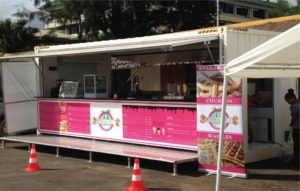
Bar containers are mostly made from 20-foot or 40-foot ISO containers by precision cutting, insulating, paneling, and with the addition of any mechanism that can open up to extend the container. Its sides may fold out to become shaded patios, serving counters, or customer lounges. There could be an elegantly lined interior with wood accents, plus concealed wiring and refrigeration systems, and LED ambient lighting integrated into a structure that carried cargo across the sea.
It is a crossbreed between architecture and engineering. More than just a bar, it is a modular hospitality environment capable of moving, expanding, and adapting.
Whereas traditional buildings are permanently fixed to one place, with bar containers, owners have the freedom to take their venue to where the audience is. This very simple reversal—mobility rather than permanence—has since unshackled pop-up culture so that brands and entrepreneurs can try new markets, take part in festivals or hold short-term events minus the immensity of conventional construction.
Why the Bar Container Has Captured Global Attention
The rising popularity of bar containers can be traced to several global shifts—economic, environmental, and cultural.
Sustainability: Reusing shipping containers aligns with the worldwide move toward green architecture. A single repurposed container saves tons of steel waste from scrapyards while minimizing the carbon footprint of new construction.
Speed and Flexibility: Traditional bars may take months or years to design and build. A bar container can be completed and deployed in weeks, allowing fast ROI for small businesses.
Mobility: Being able to relocate your venue as business demands change—say, from a summer festival to a winter market—is a game-changer for event-driven brands.
Aesthetic Identity: The rugged, industrial look of containers carries a raw authenticity that appeals to modern consumers. Combined with smart lighting, signage, and customized finishes, a bar container becomes not just a place to drink, but a piece of visual storytelling.
Economic Accessibility: For entrepreneurs and startups, bar containers offer an entry point into hospitality with a fraction of the investment needed for a traditional bar lease.
Together, these factors have made the container bar a symbol of creative entrepreneurship—a physical manifestation of the “do more with less” philosophy.
The Anatomy of a Modern Bar Container
A bar container seems like just a metal box with glass fittings, counters, and stools added. What people don’t see is the planned setup of structure, insulation, lighting, and ergonomics hidden beneath the simple look.
Structural Strength – Most bar containers use Corten steel, which offers great resistance to rust and has a good strength-to-weight ratio. Extra-strong corner posts and cross beams that are fully welded give support even after many moves.
Polyurethane foam or rock wool is used for thermal protection; shipping containers were never meant for human occupancy, but rather for shipping. Insulation is extremely important. Soundproofing materials help the acoustic environment inside the container to become a pleasant place for staff and guests.
Intelligent Electrical Systems-Integrated electrical circuits initiate lighting, refrigeration, and sound systems, and sometimes also power retractable walls or mechanical appendages. Most bar containers come with solar panels or battery systems that fall within the pursuit of sustainable operations.
Custom bar containers have been configured for different intended uses. For instance, a cocktail container bar highlights mood lighting and some trendy finishes, while an event bar booth puts much focus on open service windows plus easy outdoor integration. The experience is branded.
Bar Container Applications: Real-World Versatility
The versatility of a bar container is what makes it so appealing. It can be adapted for almost any context:
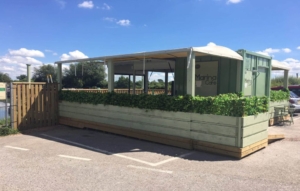
Beach Bars and Resorts – Coastal areas favor container bars for their corrosion-resistant materials and open-air design. They can be positioned on sand, terraces, or docks without heavy foundations.
Event and Festival Bars – Portable bar containers are favorites at concerts, trade fairs, and open-air festivals. They can be deployed quickly, serve thousands of guests, and then be packed and moved within hours.
Urban Pop-Up Bars – In dense cityscapes, empty lots or parking areas can be transformed into temporary social zones with a few bar containers, lighting, and landscaping.
Hospitality Extensions – Hotels and restaurants often add container bars to their outdoor spaces for seasonal use, rooftop installations, or poolside service.
Corporate and Private Events – From wedding receptions to product launches, the modularity of bar containers allows tailored branding and interior setups to fit any theme.
This flexibility has made bar containers not just a building type—but a business model.
Bar Container vs. Traditional Bar: A Comparison of Advantages
Traditional bars offer permanence, ambiance, and tradition. But container bars offer agility, sustainability, and economics.
| Aspect | Traditional Bar | Bar Container |
|---|---|---|
| Setup Time | 6–18 months | 2–6 weeks |
| Cost Range | High capital investment | 40–60% lower |
| Mobility | Fixed | Fully relocatable |
| Environmental Impact | High construction footprint | Built from recycled materials |
| Customization | Limited once built | Easily adjustable |
| Return on Investment | Slower | Fast ROI due to rapid deployment |
This comparison highlights why so many entrepreneurs, designers, and event organizers are choosing modular bar containers as the next-generation solution in the hospitality landscape.
Sustainability: Green Thinking in Metal Form
What is most characteristic of the bar container is its environmentally mindful design. Rather than waste new materials, it makes use of existing steel containers—no waste and no energy consumed.
Recycling and Upcycling: There is an immense saving in industrial wastage when there is one less container to add to the scrap, not to mention the emissions saved from manufacturing new building material.
Energy Efficiency: With insulation, LED systems, and solar integration, bar containers consume less power and can operate partially off-grid.
No permanent building, no digging, foundation, or fixing of many materials. No site disturbance to the environment; also easy to remove and relocate elsewhere without destroying the landscape.
To eco brands and operators, bar containers are more than a place from which they operate. It describes their sustainability.
Economic and Business Benefits
From a business perspective, bar containers represent a financial breakthrough.
Fast Returns: Quick construction and lower setup costs allow faster profit realization.
Scalability: Operators can start with one container and expand the setup as demand grows.
Low Overheads: Maintenance and taxes are significantly lower than traditional buildings.
Brand Mobility: A container bar can travel with its customers—attending festivals, markets, or seasonal destinations.
The ability to move, rebrand, and adapt gives entrepreneurs an edge in an economy where consumer attention shifts rapidly.
Design Flexibility and Customization
No two bar containers are ever alike. Some are designed as minimalist espresso bars, others as luxury champagne lounges. Customization options include:
Expandable modules that double interior space with retractable side walls.
Outdoor decks and awnings for shaded seating.
Second-floor viewing platforms for premium experiences.
Integrated kitchens or food prep areas for café-style service.
Advanced lighting systems that define brand atmosphere.
The modularity allows clients to design not only for aesthetics but for flow and function—ensuring that every inch of the container contributes to the overall customer experience.
The Future of Modular Hospitality
As long as sustainability and adaptability are the core trends driving modern architecture, the bar container will keep evolving. Already seen is a futuristic generation of such structures imbuing smart technologies—automated serving setup, energy control through an app inside your phone, and modular connection points for multi-unit complexes.
Cities have also taken in the urban potential found inside modular structures. Many have welcomed container zones into redevelopment projects where retail, dining, and cultural activity flourish within converted containers.
The next bar container probably does not even require human assembly— it unfolds itself hydraulically, ready for use within a few minutes. Be it for fun, retail, or art, the modular bar container is an evolution of design that combines freedom with efficiency and beauty.
A Cultural Shift in Steel
CIMC TLC | RYC | XLC is a leading manufacturer of bar container centers and a wide range of standard and customized logistics equipment. With years of industry experience, the company focuses on the design, production, and distribution of high-quality, innovative solutions that meet the specific needs of customers worldwide. Its product portfolio covers refrigerated containers, cold chain systems, containerized equipment integration, modular buildings, and more — all built with precision and creativity.
At CIMC TLC | RYC | XLC, the bar container is more than just a product; it is a symbol of culture and innovation. It embodies the transformation from fixed buildings to mobile experiences, from static spaces to dynamic interactions, from disposability to sustainable reuse. In an era that values change, longevity, and design integrity, the bar container stands as proof that new ideas can be both functional and poetic — turning ordinary metal containers into spaces where people connect and share. It redefines hospitality from a fixed location into a flexible experience, showing that great design doesn’t have to be grand — it simply needs to harmonize with life.