


 EN
EN  RU
RU 
Industries like food and beverage, pharmaceuticals, agriculture, hospitality, chemicals, aviation, and IT use container cold storage in 2025. They need to keep goods at the right temperature. They must follow strict rules. They also want supply chains that can change easily.
| US Cold Storage Market Size (2025) | Forecast (2032) | CAGR (2025-2032) |
|---|---|---|
| USD 46.47 billion | USD 104.75 billion | 12.3% |
Food and Beverage
Perishables
Fruits, vegetables, dairy, meat, and seafood spoil fast. They need the right temperature to stay safe and fresh. Companies use container cold storage for this. It keeps food cold during shipping and storage. More people want fresh and frozen foods now. This makes the cold chain equipment market grow quickly. New technology helps control temperature better. Real-time sensors and smart alerts watch temperature, humidity, and gas. These tools warn workers if something is wrong. Workers can fix problems before the food goes bad.
Cold chain logistics uses special warehouses, containers, and trucks. These keep food safe and cold. Real-time checks help stop food loss and keep food good.
A table below shows important market trends:
| Aspect | Details |
|---|---|
| Market Size (2024) | USD 19.6 Billion |
| Projected Market Size (2033) | USD 29.3 Billion |
| CAGR (2025-2033) | 4.54% |
| Leading Region | Asia Pacific (35.2% market share in 2024) |
| Growth Drivers | – More people want fresh food – More supermarkets and online grocery stores – More global trade – Better tech for monitoring – Food safety rules |
| Industry Impact | Food and beverage companies need container cold storage and cold trucks to keep food safe and fresh. |
Container cold storage helps stop food from spoiling. Smart sensors and AI alerts warn if it gets too warm. Controlled air slows down ripening and spoilage. This is important for berries and avocados. These features help companies bring fresh food to stores and customers.

Beverage Storage
Juices, milk, and soft drinks also need cold storage. This keeps their taste and quality good. Cold storage containers have strong insulation and cooling systems. These keep drinks cold while moving or storing them. Backup power keeps drinks safe if the main power stops.
A study showed that cold berries keep their flavor and quality. This is true for many drinks, too. Cold storage slows spoilage and keeps drinks safe longer. Humidity sensors and airflow controls help keep drinks fresh.
Special refrigerated containers control temperature and humidity. This keeps drinks fresh and safe on long trips.
Supermarkets
Supermarkets use container cold storage to keep food fresh and safe. They store lots of perishable foods and drinks in these containers. Supermarkets use real-time checks to watch temperature and stop spoilage. Automated systems and IoT devices help track stock and guess what people will buy.
- The food and beverage cold storage market was worth over USD 120 billion in 2024.
- It will grow fast as more people buy fresh food and shop online.
- New cold storage uses energy-saving and green technology.
- AI and machine learning help supermarkets manage stock and reduce waste.
Supermarkets pick container cold storage because it is flexible and reliable. It also saves money. These containers can go near stores or warehouses. This helps stores react fast when more food is needed.
Pharmaceuticals and Healthcare
Medicines and Vaccines
Medicines and vaccines must stay at the right temperature. If they get too hot or too old, they may not work. Vaccines can go bad fast if the cold chain fails. The World Health Organization says almost half of all vaccines are wasted due to cold chain problems. This happens when storage or transport does not keep them cold enough. During the COVID-19 vaccine rollout, many doses were thrown away because of temperature issues. These problems show why container cold storage is needed for medicines and vaccines in 2025.
Pharmaceutical companies use special packaging to protect vaccines. They test vials, caps, and stoppers to make sure they stay closed at very low temperatures, even as cold as −80 °C. They check the seals and test how well containers work with dry ice during shipping. These steps help keep vaccines safe from the factory to the patient.
Digital monitoring and alarms watch the temperature all the time. If it changes, workers get alerts and can fix it quickly.
Clinical and Research
Hospitals, clinics, and labs need cold storage for many things. They store samples, blood, and special medicines that must stay cold. Refrigerators and freezers help keep these items safe for a long time. Real-time temperature checks with alerts protect samples from getting too warm or too cold. This helps stop the loss of important research materials.
- Sensing-as-a-Service helps labs manage their supplies and keep the right conditions.
- Automated data collection and tracking make clinical trials more reliable.
- Advanced sensors and remote monitoring help labs follow strict rules and work better.
IoT tracking, AI analytics, and blockchain make cold chain logistics safer and more efficient. These tools help labs and hospitals meet tough standards from groups like the FDA and WHO. More companies are making biologics, gene therapies, and personalized medicine, so ultra-low temperature storage is needed.
A table below shows how container cold storage helps healthcare in 2025:
| Aspect | Role of Container Cold Storage in Healthcare 2025 |
|---|---|
| Market Growth Drivers | More chronic diseases and new drugs need special cold storage |
| Technology Advances | Ultra-low temperature freezers and cryogenic systems for vaccines, blood, and organs |
| Applications | Storage of vaccines, drugs, blood, tissues, organs, and medical devices |
| Main Users | Hospitals, clinics, pharmaceutical companies, research labs, and biobanks |
| Regional Trends | North America leads, but Europe and Asia-Pacific are growing due to more healthcare spending and chronic diseases |
Emergency Use
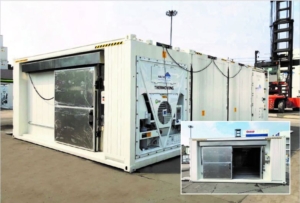
In emergencies, fast and safe delivery of medicines and vaccines saves lives. Natural disasters, disease outbreaks, or supply chain problems can make it hard to keep drugs cold. Container cold storage gives healthcare teams a flexible way to store and move temperature-sensitive items. These containers can go to remote areas, field hospitals, or disaster zones. They keep medicines and vaccines at the right temperature, even when power is not stable.
Autonomous refrigerated vehicles and drones help deliver cold medicines quickly to places that need them most. Real-time monitoring and backup power systems make sure the cold chain stays unbroken. This protects patient safety and helps healthcare workers respond faster during crises.
Agriculture and Fisheries
Produce Storage
Farmers and distributors use container cold storage to keep fruits and vegetables fresh after picking. Cold storage slows spoilage and keeps food good. The Agricultural Logistics Market report for 2025 lists some key benefits:
- Cold storage keeps perishable foods like produce, dairy, and frozen foods safe.
- More people want temperature-controlled storage in the supply chain.
- New tech like IoT sensors and AI inventory tools helps keep food quality high and waste low.
- Smart warehouses use robots and real-time checks to work better.
- More refrigerated trucks help move crops and animal products quickly.
A new study shows cold storage makes food last longer and cuts waste:
| Produce | Storage Condition | Shelf Life (days) | Waste Reduction (%) | Waste Reduction (percentage points) |
|---|---|---|---|---|
| Apples | Refrigerated at 4°C | 108 (vs 31 days) | From 3.1% to 0.61% | 2.5 |
| Cucumbers | Refrigerated at 4°C vs 9°C | N/A | From 43% to 27% | 16 |
Smart cold storage lets farmers send fresher food to stores and helps stop food loss.
Seafood Preservation
Fisheries use container cold storage to keep seafood fresh right after it is caught. Cold chain management can make seafood last up to 50% longer. This tech keeps seafood good and stops spoilage. Many seafood companies use special packaging and real-time temperature checks to protect seafood during shipping and storage. These steps help seafood get to stores in great shape.
Seasonal Needs
When harvest season comes, farmers need more cold storage fast. They often have too much food and need extra space. Refrigerated containers are a flexible and cheap way to help. They can be moved and set up anywhere, so farmers do not need to build new buildings.
The Atlanta market report says refrigerated containers help cool crops and store extra food after harvest. In Idaho, potato harvest season makes refrigerated truck rates go up by 14%, showing more need for cold storage. New cold storage warehouses, like one opening in Maine, help farmers and fisheries store more food during busy times.
During harvests, container cold storage keeps crops and fish fresh. This helps farmers and fisheries when they are busiest.
Catering, Hospitality, and Events
Restaurants and Hotels
Restaurants and hotels need container cold storage to keep food safe. They must follow food safety rules. Cold storage helps control temperature and stops foodborne illness. Reports from the hospitality industry show some important steps:
- Keep TCS foods below 41°F (5°C) with good equipment.
- Check thermometers every day using ice slush at 32°F (0°C).
- Log cold holding temperatures each shift and fix problems fast.
- Cool storage units before putting food inside.
- Set coolers between 34°F (1°C) and 38°F (3°C) for safety.
- Use walk-in coolers for storing food, not for cooling hot foods.
- Do not overfill coolers so air can move around.
- Chill ingredients first and make food in small batches.
- Check deliveries for the right temperature and store them quickly.
- Keep cooler doors closed to hold the right temperature.
These steps help restaurants and hotels lower the risk of foodborne illness. Good cold storage keeps food fresh longer and helps kitchens run well. Staff sort foods by how they are cooked to stop cross-contamination. They put dates on containers and keep storage areas clean. Training food handlers on these rules makes things safer and helps everyone do their job.
Container cold storage lets hotels and restaurants meet food safety rules and handle busy times.
Event Catering
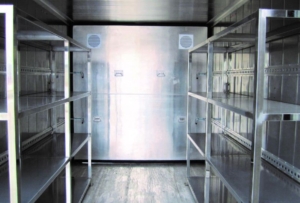
Event catering teams use container cold storage for lots of food at big events. Studies show these containers help caterers keep food safe and fresh, even in hard situations. Trane’s cold storage units can control temperature from +40°C to -70°C for many foods and drinks.
- Caterers put containers near event kitchens for easy access.
- On-site support and backup systems keep food cold if there are problems.
- Containers can be set up quickly and moved, so they work for outdoor or temporary events.
- Real-time IoT monitoring warns staff if temperatures change, so they can act fast.
- Some units use electric or hybrid power, which helps the environment.
Catering teams use these containers to store frozen foods at 0°F to -4°F and dairy at 35.6°F to 46.4°F. This stops spoilage and keeps guests safe. Remote monitoring and predictive maintenance help stop equipment from breaking. These features make container cold storage very important for event catering in 2025.
Chemicals and Industrial
Chemical Storage
Many businesses need container cold storage for chemicals. Chemicals can change if the temperature is not right. ISO refrigerated containers help keep the temperature steady. This stops dangerous reactions and keeps chemicals safe. Portable cold storage units help move chemicals safely. Companies can check and change the temperature as needed.
The portable cold storage market was $3.5 billion in 2023. Experts think it will grow by 9.5% every year until 2032. This means more companies want safe ways to store and move chemicals. The U.S. cold storage market, including chemical storage, was $38.3 billion in 2023. It should grow by 12.8% from 2025 to 2032. This growth brings better technology and safer storage for chemicals.
Companies use container cold storage to stop spills and keep workers safe. These containers keep chemicals safe during long trips or storage.
Dairy and Specialty Goods
Dairy and specialty goods need special care to stay fresh. Container cold storage helps producers and sellers keep food safe. Many companies use advanced controls to keep products between -20°F and 80°F. This keeps food fresh and safe.
- Cold storage space has grown to meet the need for fresh foods.
- Automation and energy-saving systems, like LED lights and insulated docks, save energy.
- Refrigerated containers, called reefers, are great for moving dairy and specialty goods.
- Companies use IoT sensors and AI analytics to monitor storage conditions all the time.
- Cold storage near cities helps get products to stores faster and keeps them fresh.
Producers use new packaging like vacuum-sealing and UV-C sterilization to make food last longer. Many companies use eco-friendly materials and energy-saving designs. These steps help cut food waste and meet what customers want for safety and the environment.
Container cold storage helps dairy and specialty goods stay fresh, safe, and ready for customers in 2025.
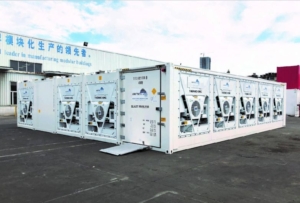
Aviation, Import/Export, and IT
Aerospace Components
Aerospace companies use container cold storage to keep parts safe. Some aerospace parts, like electronics, can get ruined by heat or water. Special containers use new tech to track and protect these parts. They keep things cool and dry inside. Some containers are made the have extra security. These help move parts faster and prevent damage. IoT and automatic systems help keep the right temperature steady. This makes it easier to ship aerospace parts safely. In 2025, reports show these containers help keep products safe, improve security, and make shipping better.
International Shipping
Container cold storage is important for shipping goods worldwide. Many items, like food and medicine, must stay cold on long trips. Shipping companies use special containers to keep things fresh and safe. The market for ship cold storage is growing fast with new tech.
- The market will be $2.5 billion in 2025 and grow 7% each year until 2033.
- More people want to ship food and medicine that needs to stay cold.
- New tech uses less energy and lets workers check temperatures from far away.
- Asia-Pacific is the biggest market because it ships a lot and builds many ships.
- Rules for the environment and people wanting fresh goods help the market grow.
- Companies like ALMACO Group and Thermo King are top in this field.
- Digital tools and smart systems make cold storage work better.
Shipping companies also update their buildings and use digital tools to control the supply chain. These changes help keep goods safe and deliver them quickly and in good shape.
Data Centers
Data centers use container cold storage to keep servers and computers cool. If it gets too hot, computers can break down or lose data. Cold storage containers provide a cool place for backup servers and electronics. Companies use these containers when they need extra space or during emergencies. Real-time checks and automatic cooling keep equipment safe. Some data centers use portable cold storage if the power goes out or during repairs. This helps them keep working and saves important data. Container cold storage gives IT teams a safe and flexible way to handle their tech needs in 2025.
Container Cold Storage Benefits
Temperature Control
Container cold storage lets companies control temperature very well. New technology, like phase change materials and airflow systems, helps keep things cool for a long time. Studies show round containers with phase change materials stay cooler than box-shaped ones, even after 17 hours in the heat. This design keeps food, medicine, and chemicals safe. Airflow systems in refrigerated containers stop temperature changes. This lowers the risk for sensitive products. These features make container cold storage a great choice for companies that need steady cooling.
Many businesses use container cold storage because it keeps products safe and fresh, even on long trips or in storage.
Flexibility and Mobility
Container cold storage is very flexible. Companies can move these containers wherever they need more cooling, like near stores, farms, or events. The modular design lets businesses add or remove containers when needed. This helps during busy times or emergencies. For example, farmers use more containers at harvest. Hospitals can set up cold storage quickly during health problems. Being able to move and change the number of containers makes container cold storage a smart choice for changing needs.
Cost and Security
Container cold storage saves money compared to regular cold storage buildings.
- Reefer containers cost less to start and need less money up front.
- Prefabricated buildings and automation, like pallet shuttles, save time and energy.
- Energy-saving equipment and insulation lower costs over time.
- Putting containers near transport hubs cuts delivery costs.
Container cold storage is also safer. Containers have strong locks and can be put in safe places. Backup power keeps goods safe if the power goes out. Many companies pick container cold storage because it saves money, is flexible, and keeps things safe. This makes it a smart investment in 2025.
Container cold storage will help many industries in 2025. It keeps products safe and fresh.
- The US market will be worth $46.47 billion. It will keep growing until 2032.
- More people want cold storage, and new tech is helping. There are more customers now.
- Cold storage is used for food, medicine, chemicals, and other things.
New trends are changing the future:
- Automation and robots help companies work faster.
- Energy-saving systems and green ideas save money.
- IoT tracking and AI make things safer and easier to plan.
Industry leaders pick container cold storage for more safety and flexibility.
CIMC TLC|RYC|XLC is a leading manufacturer of cold storage containers and various other standard and special logistics equipment. With years of experience in the industry, it focuses on the design, production, and distribution of high-quality innovative products that meet the specific needs of customers.
If you need high-quality and innovative logistics equipment, including refrigerated containers, cold chain equipment, containerized equipment integration, modular buildings, etc., CIMC TLC|RYC|XLC is your best choice. We welcome inquiries from customers all over the world and look forward to the opportunity to cooperate with you.