


 EN
EN  RU
RU 
Industrial sites now use advanced generator container solutions for steady power. These solutions help when conditions are tough. Top integrated containerized power solutions include sound-attenuated, weatherproof, skid-mounted, modular, and walk-in generator designs tailored to various industrial needs. These options meet requirements like weatherproofing, low noise, walk-in access, and easy transport. The market is growing fast—worth over $3 billion in 2024—driven by renewable energy growth, smart grid use, and widespread demand for backup power.
Generator Container Comparison
Key Features
The best generator container solutions have many features for industrial use. These features help the generators work well and last long. The table below outlines typical configurations:
| Type | Power Range (kW) | Key Features | Ideal Use Cases |
|---|---|---|---|
| Sound-attenuated, Walk-in | 500–3000 | Advanced sound insulation, walk-in access, remote cooling, and redundant starters | Data centers, mining, and utilities |
| Weatherproof, Skid-mount | 400–2500 | High-quality AVR, robust design, flexible fuel compatibility | Construction, oil & gas, backup |
| Skid-Mount, Compact | 350–2000 | Easy transport, durable frame, quick setup | Temporary sites, events, and rental |
| Walk-in, Sound-attenuated | 600–2800 | Spacious interior, low noise, smart controls | Hospitals, telecom, and manufacturing |
| Modular, Weatherproof | 500–2200 | Corrosion-resistant, modular design, remote monitoring | Coastal, harsh weather sites |
| Modular, Sound-attenuated | 500–2250 | Parallel operation, voltage control, and remote cooling | Industrial plants, remote sites |
| Walk-in, Redundant | 1000–3000 | High redundancy, advanced cooling, green-fuel ready | Mission-critical, large industry |
Differences
Each generator container solution is special in its own way:
- Durability: Weatherproof and walk-in models use strong materials and reinforced frames to withstand severe weather.
- Mobility: Skid-mount configurations are easy to transport and set up, making them ideal for mobile and short-term use.
- Noise Reduction: Sound-attenuated designs are critical in hospitals and urban environments.
- Safety: Redundant systems, smart monitoring, and fire suppression features enhance safety and reduce downtime.
Choosing the best generator container depends on what the site needs—weather protection, sound control, mobility, or access. Each model addresses different challenges across industries.
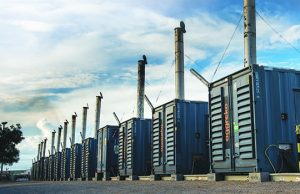
Integrated Generator Container Overview
Overview
Modern generator containers built by specialized manufacturers offer strength, resilience, and smart power control. Designed for extreme industrial conditions, these containerized systems are engineered to keep critical operations running.
Advantages
- Exceptional performance in extreme weather
- Quiet operation via built-in sound insulation
- Walk-in access allows safe and efficient maintenance
- Remote cooling and digital control options
Features
| Feature | Description |
| Sound Insulation | Reduces noise to meet regulations |
| Walk-In Design | Enables direct access for maintenance |
| Redundant Starters | Ensures a reliable engine start |
| Remote Cooling | Ideal for tight or enclosed installations |
| Smart Monitoring | Provides real-time system data |
Use Cases
- Data centers require 24/7 uptime
- Mining sites operating in remote, rugged conditions
- Utilities maintain grid resilience
- Construction projects needing scalable power on-site
Pros and Cons
Pros:
- Highly durable
- Reduced noise levels
- Maintenance-friendly
- Compatible with various fuel types
Cons:
- Higher initial investment
- Larger footprint not suitable for limited space
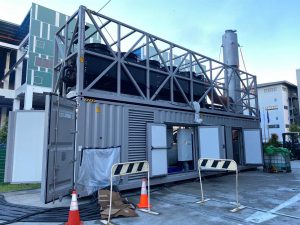
Compact Skid-Mounted Generators
Overview
Compact skid-mount generators are built for ease of transport and rapid deployment. These generators are ideal for temporary and mobile applications.
Advantages
- Fast setup in emergencies or pop-up sites
- Fits into tight operational spaces
- Rugged framing protects against impact
- Simple interface for operator training
Features
| Feature | Description |
| Skid-Mount Frame | Stable and lift-ready foundation |
| Compact Design | Reduces transport and storage costs |
| Plug-and-Play | Quick power connection |
| Protective Enclosure | Keeps out moisture and dust |
| Built-in Alarms | Safety alerts for faults |
Use Cases
- Construction sites
- Event venues
- Emergency relief operations
Pros and Cons
Pros:
- Portable and quick to deploy
- Durable and shock-resistant
- User-friendly interface
Cons:
- Lower power output than larger models
- Limited internal space for servicing
Weatherproof Modular Systems
Overview
Modular generator systems with weatherproof exteriors provide flexible, scalable energy in harsh climates. These are ideal for coastal, chemical, and off-grid locations.
Advantages
- Marine-grade steel and corrosion resistance
- Modular design supports expansion
- Remote sensors for performance tracking
- Certified for strict safety and emissions standards
Features
| Feature | Description |
| Corrosion-Resistant Body | Withstands salt and harsh elements |
| Modular Assembly | Expandable units for scaling power |
| Remote Access | Real-time alerts and diagnostics |
| Weather Seals | Protection from rain and debris |
| Variable Power Support | 500–2200 kW range |
Use Cases
- Coastal operations
- Industrial plants
- Renewable energy storage
Pros and Cons
Pros:
- Superior environmental protection
- Easily expandable
- Monitoring via a remote dashboard
Cons:
- Heavier and costlier materials
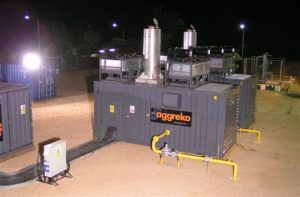
Walk-In Sound-Attenuated Units
Overview
These units combine quiet operation with safe, internal access for technicians. They are ideal for urban, healthcare, and telecom settings.
Advantages
- Spacious for service work
- Sound-attenuated to reduce disturbance
- Long-lasting, with digital diagnostics
Features
| Feature | Description |
| Interior Access | Technicians enter for service tasks |
| Acoustic Control | Meets urban noise laws |
| Touchscreen Panels | Easy monitoring and control |
| Fire Safety | Fire-rated materials and alarms |
| Sealed Shell | Keeps out harsh weather |
Use Cases
- Hospitals
- Telecommunications
- Light industry
Pros and Cons
Pros:
- Low noise output
- Worker-safe maintenance access
- Advanced safety tools
Cons:
- Larger form factor
- Higher upfront cost
Choosing a Generator Container
Power Needs
Industrial sites must match generator capacity with actual power demands. Gensets provide backup and prime power through integrated engine-generator combos. It’s important to account for both peak and average usage.
Site Conditions
Airflow and layout affect performance. Proper intake and exhaust placement prevent overheating. Wind recirculation modeling helps plan placement. Dampers and insulation help in cold climates.
Budget
Balance purchase price with long-term savings. Durable, efficient units may cost more upfront but lower lifecycle costs. Renting fits short-term needs; purchasing suits long-term use.
Compliance
Make sure units meet noise, emissions, and safety standards (e.g., ISO 9001, CE). Certifications prove reliability and readiness for industrial deployment.
Extra Features
- Sound Attenuation for sensitive areas
- Walk-In Access for servicing
- Remote Monitoring for continuous oversight
- Modularity for scalable projects
Each container configuration has unique strengths:
- Walk-in and sound-attenuated units: Ideal for quiet and accessible industrial settings
- Skid-mount and compact units: Great for mobility and temporary use
- Modular and weatherproof systems: Flexible and rugged for complex projects
More facilities require robust containerized power due to blackouts, industrial growth, and infrastructure expansion. Selecting the right configuration ensures reliability and efficiency.
CIMC TLC | RYC | XLC is a leading manufacturer of electrical house containers and custom logistics equipment. With deep industry experience, we focus on designing, building, and delivering innovative, high-quality containerized solutions tailored to diverse needs.
If you need top-tier logistics and power container solutions—including refrigerated containers, modular buildings, and integrated energy units—CIMC TLC | RYC | XLC is your best partner. Contact us today to explore how we can support your energy infrastructure needs worldwide.