



 EN
EN  RU
RU 
The Role and Value of ISO Shipping Containers in Global Logistics
As the fundamental carrier of global trade, ISO shipping containers have revolutionized modern cargo transportation. Since the invention of the first shipping container in the 1950s, ISO containers have enabled the ideal of “intermodal transport,” greatly improving transportation efficiency and reducing logistics costs. Whether by sea, rail, or road, standardized containers allow seamless cargo transfer, minimizing handling and damage risks, which has fueled the explosive growth of globalization.
Currently, over 80% of global cargo transportation relies on ISO standard containers, covering dry goods, cold chain cargo, and specialized liquid transport. With the rise of digitalization and intelligence, the container industry is entering a new phase of high-quality development, showing improvements in safety, environmental protection, and intelligent management.
Detailed Explanation of ISO Shipping Container Standards
Overview of ISO 668 and ISO 1496 Standards
ISO 668 defines the external dimensions and maximum allowable weight of containers. Typical 20-foot and 40-foot containers comply with this standard, ensuring global dimensional compatibility and stackability. ISO 668 specifies size tolerances, stacking load capacities, and safety factors to guarantee secure multi-layer stacking and maritime transport.
ISO 1496 covers structural performance and testing requirements for containers, specifying design standards for different types, including:
Part 1: General Purpose Dry Containers
Part 2: Refrigerated Containers
Part 3: Tank Containers
Part 4: Bulk Containers
Test items include static stacking, dynamic impact loading, corrosion resistance, and airtightness tests to ensure container safety and reliability under extreme environments and multi-modal transport.
Design Philosophy and Extreme Environmental Adaptability
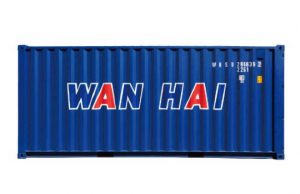
Container design must balance structural strength with resistance to extreme temperatures (-40°C to +70°C), salt spray corrosion, and mechanical shocks. The sealing performance must guarantee water and dust tightness throughout sea voyages to protect cargo integrity. The container body adopts steel structures with corrosion-resistant coatings, and interiors use high-strength plywood or metal linings to accommodate various cargo needs.
Manufacturing Processes and Materials Science Innovation
Steel Material Properties and Selection
The container’s frame and body plates mainly use high-strength low-alloy steel (HSLA) such as SPA-H, SM50A, and STK400, offering excellent yield and tensile strengths to ensure structural stability and durability. Corner fittings use SCW480 cast steel to withstand lifting and stacking loads.
Corrosion Protection and Coating Technologies
Exposed to marine salt spray environments, coating technology is critical. Advanced epoxy primers combined with polyurethane topcoats create multi-layer protection that enhances weather resistance. Recently, environmentally friendly water-based paints and nano-coatings have been adopted to reduce VOC emissions while improving anti-corrosion performance.
Automated Production Lines and Quality Control
CIMC TLC|RYC|XLC employs automated welding robots, painting lines, and fully digitized MES systems to ensure efficient and stable production quality. Real-time data monitoring reduces human errors, increases output, and maintains product consistency.
Lightweighting and New Material Exploration
To reduce transportation costs and improve energy efficiency, lightweighting has become a key trend. Research includes using higher-strength steels to replace traditional materials and exploring aluminum alloys, composites, and advanced plastics, balancing strength, cost, and maintenance feasibility.
Marking and Compliance Systems
Importance of ISO Container Markings
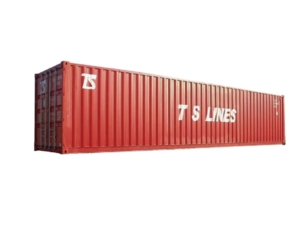
Container markings serve as the “ID card” of the unit and are vital for smooth international trade. Proper, clear markings facilitate precise logistics tracking, prevent misloading, delays, and customs issues. Following international standards enables seamless multimodal transport operations.
Content and Format of Markings
According to ISO 6346, containers must display:
Owner Code: Three uppercase letters representing the container’s owning company
Equipment Category Identifier: Usually “U” for freight containers
Serial Number: Six digits uniquely identifying the container
Check Digit: Calculated to verify the serial number
Size and Type Codes: Indicating the container’s specifications and function, e.g., “22G1”
Maximum Gross Weight and Tare Weight: Displayed in kilograms and pounds
Warning Signs: Such as electric shock warnings and intermodal symbols
Markings must have a minimum height of 100 mm and contrast with the container body color for visibility and durability.
International Certifications and Quality Compliance
Containers require certification from recognized classification societies, including:
CCS (China Classification Society)
BV (Bureau Veritas, France)
LR (Lloyd’s Register, UK)
ABS (American Bureau of Shipping)
JR (Japan Register)
RS (Russian Maritime Register)
These certifications ensure structural safety, load capacity, and fire protection compliance for global maritime operations.
CIMC TLC|RYC|XLC Manufacturing Advantages and Service System
Production Capacity and Technical Experience
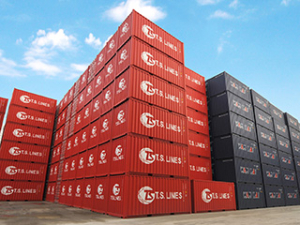
As a core manufacturing unit under CIMC, CIMC TLC|RYC|XLC boasts nearly 30 years of manufacturing experience with advanced equipment. Its annual production capacity reaches 150,000 standard containers, satisfying diverse global customer demands. Automated production lines reduce human error and guarantee consistent quality.
R&D Strength and Quality Management
The company invests heavily in R&D with specialized teams optimizing container structures, material formulas, and corrosion resistance. Every product undergoes rigorous quality tests, including weld strength, sealing performance, and extreme environment simulations, ensuring products meet or exceed international standards.
Customized Solutions and After-Sales Service
CIMC TLC|RYC|XLC offers flexible customization, including size, interior design, and special functions to serve modular construction, refrigerated transport, and other emerging applications. Their after-sales guarantee includes a 1-year structural warranty, 5-year coating warranty, and 7-year decal warranty, ensuring long-term customer peace of mind.
Market Trends and Application Expansion
Traditional Market Segmentation
The primary ISO container market comprises:
Dry Containers: General cargo transport
Refrigerated Containers: Temperature-controlled shipments of food and pharmaceuticals
Tank Containers: Specialized for liquid transport in the chemical and food industries
Emerging Application Scenarios
The applications of ISO containers are expanding rapidly:
Modular Construction: Container-based homes, mobile offices, and container hotels, enabling fast, eco-friendly building solutions
New Energy Equipment Transport: Containers tailored to safely transport lithium batteries, photovoltaic modules, etc.
Smart Logistics: Containers integrated with IoT sensors for real-time monitoring of temperature, humidity, and location
Circular Economy: Repurposing used containers as storage, emergency shelters, or retail units to maximize resource reuse
Future Development Trends and Challenges
Green Manufacturing and Environmental Regulations
With increasing global carbon emissions and environmental regulations, the container manufacturing industry is accelerating the adoption of low-carbon materials, eco-friendly coatings, and energy-saving processes. The circular economy promotes recycling and reuse of container materials to minimize resource waste.
Intelligent and Digital Upgrades
The container sector is undergoing digital transformation. RFID tagging, IoT sensor integration, and cloud data analytics enable real-time condition monitoring and intelligent scheduling, improving supply chain efficiency and security.
Global Supply Chain and Policy Impact
Geopolitical shifts and trade policies reshape supply chains, altering container demand and shipping routes. Manufacturers must stay agile to respond to international market fluctuations and maintain stable production and delivery.
As the backbone of global logistics infrastructure, ISO shipping containers will continue to innovate in green manufacturing, intelligent upgrades, and customized services. With strong R&D and robust production systems, CIMC TLC|RYC|XLC is poised to lead industry transformation towards higher efficiency, safety, and sustainability.