



 EN
EN  RU
RU 
If you have ever rented or purchased a mobile mini container, you probably know the first challenge most people face: how do I open it correctly? At first glance, the locking system and heavy doors can feel intimidating, especially if you are unfamiliar with container structures. While these compact storage and shipping units are designed for convenience, safety, and durability, operating them requires some basic knowledge.
Many people underestimate the importance of understanding the proper way to open a mini container. Doing it incorrectly may not only damage the locking mechanism or the door itself but also pose a safety risk to the user. This is particularly relevant for first-time users, small business owners, or urban logistics teams who frequently rely on these containers for storage and shipping.
What Exactly Is a Mobile Mini Container?
Before diving into the technical aspects of opening, it helps to understand what a mini container actually is.
A mobile mini container is essentially a downsized version of a standard shipping container, typically available in sizes such as 10 feet, 8 feet, 6 feet, or even smaller customized versions like 5 feet and 4 feet. Unlike traditional 20-foot or 40-foot containers, mini containers are built for flexibility and cost efficiency, catering to customers with smaller storage or transport needs.
Mini containers are widely used to ship groceries, daily necessities, stationery, textiles, medicine, handicrafts, chemical products, hardware, electronic machinery, instruments, and machine parts. Their versatility makes them ideal for both commercial and personal applications. Unlike bulky standard containers, mini containers allow users to ship smaller batches of items while maintaining security and structural integrity.
Key Advantages of Mini Containers
Flexibility – Ideal for smaller shipments or urban logistics. A business can ship multiple mini containers at once, adjusting the sizes according to the volume of goods without paying for unused space in a larger container.
Space Efficiency – Perfect for locations where a full-size container would be impractical. They can be placed in small warehouses, construction sites, or urban storage facilities.
Cost Savings – Avoid paying for half-empty 20-foot containers, which is especially important for startups or small-scale exporters.
Versatile Applications – Useful in retail, healthcare, manufacturing, e-commerce, and temporary events. Mini containers can also serve as pop-up shops, mobile storage units, or on-site workshops.
In short, mini containers bring the robust strength of standard shipping containers into a compact, user-friendly format, combining convenience with the same level of security and durability.

Anatomy of a Mini Container: Knowing What You Are Opening
To open a mobile mini container properly, it helps to know its main components. Understanding the structure reduces mistakes and ensures safer operations.
Doors – Usually single or double doors made of heavy-duty steel. They are designed to withstand impact and ensure the container remains secure during transport.
Locking System – Typically involves vertical lock rods with a handle, sometimes secured by padlocks, combination locks, or built-in container lockboxes. Knowing the type of locking system is critical before attempting to open the container.
Seals and Gaskets – Rubber linings around the doors make the container water-resistant and dustproof. Over time, these seals may tighten, requiring extra care when opening.
Hinges – Heavy-duty hinges bear the weight of the doors and ensure smooth swinging. Poorly maintained hinges can cause sticking or misalignment.
Frame – Reinforced steel construction ensures long-term durability and protection of goods inside.
Different manufacturers may have slightly different designs, but the basic principle remains the same: unlock, rotate the lock rods, and open the doors.
How to Open a Mobile Mini Container
Opening a mini container may seem daunting at first, but by following these steps, you can do it safely and efficiently.
Step 1: Prepare Yourself
Wear gloves to prevent cuts or pinches from the heavy steel doors.
Make sure you have the correct key, combination, or access code for the lock.
Ensure the container is on stable, level ground to prevent doors from swinging unexpectedly.
Proper preparation reduces the risk of accidents and ensures the doors operate smoothly.
Step 2: Unlock the Container
If a padlock is used, insert the key and remove it.
For combination locks, enter the code carefully, ensuring no one else is looking to prevent security breaches.
For built-in container locks, open the lockbox first before attempting to access the vertical rods.
Step 3: Release the Locking Rods
Grasp the vertical locking rods and rotate them upward or sideways to disengage.
These rods hold the doors firmly in place and may feel stiff, especially in new containers or in cold weather.
Moving them slowly and deliberately prevents bending or damaging the rod mechanism.
Step 4: Open the Doors Slowly
Grip the handle firmly and pull outward steadily.
Mini container doors are heavy, sometimes weighing 50–80 kg each.
If the door feels stuck, gently tap the door near the frame to relieve pressure before continuing.
Step 5: Inspect the Interior
Check for moisture, odors, or pests before unloading any goods.
Ensure items inside have not shifted and are not blocking the door.
Proper inspection protects both the cargo and the person opening the container.
Technical Factors That Affect the Opening Process
Several design factors influence how easy or difficult it is to open a container:
Weight of the Doors – Heavier models require more physical effort or mechanical assistance.
Tight Seals – New containers often have tight rubber seals, which may make the first opening more challenging.
Container Size – Larger mini containers with double doors require extra care, while smaller models with a single door are easier to handle.
Positioning – Containers on uneven ground or sloped areas may have doors that do not align perfectly.
Being aware of these factors allows you to anticipate potential issues and prepare the necessary tools or assistance.
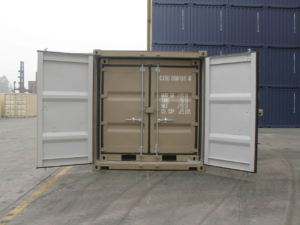
Advantages of Opening a Mobile Mini Container
Once opened, the mini container reveals several benefits:
Secure Storage – Strong steel walls and dual locking systems protect your goods.
Flexible Capacity – Store tools, furniture, merchandise, or documents in a compact space.
Durability – Resistant to rust, water, and harsh weather conditions, ensuring long-term usability.
Easy Accessibility – Small size makes them suitable for driveways, construction sites, small warehouses, and urban areas.
Mobility – Unlike fixed storage solutions, mini containers can be relocated quickly using forklifts or small cranes.
Mini containers are therefore more than just storage units—they are practical assets for businesses, individuals, and logistics companies.
Application Scenarios
Mini containers are used across a wide range of industries:
E-commerce – As temporary urban storage for inventory, or for last-mile delivery in crowded cities.
Construction – For storing tools and materials safely on-site, reducing theft and damage.
Events & Exhibitions – Portable storage for trade shows, outdoor events, or temporary pop-up shops.
Healthcare – Safe transport and storage of medicines and medical equipment.
Personal Use – Backyard storage, home workshops, or seasonal storage of sports equipment.
For each application, knowing how to open the container efficiently saves time, improves workflow, and ensures cargo safety.
Common Problems and Solutions When Opening
Even with proper guidance, issues may arise. Common problems include:
Rusty or Stuck Lock – Apply lubricating oil, WD-40, or rust remover.
Lost Keys – Contact the supplier for replacement keys or a professional locksmith.
Door Deformation – Hinges may need realignment or replacement if doors are bent.
Sealed Too Tightly – Gently tap the frame to relieve vacuum pressure.
Moisture or Odors Inside – Use desiccants or ventilation kits to prevent dampness.
Regular maintenance can prevent most of these problems.
Maintenance Tips for Easier Opening
Lubricate hinges and lock rods regularly to reduce friction.
Keep the container on stable, level ground to avoid misalignment.
Inspect seals and gaskets periodically for wear or stiffness.
Store keys securely but accessibly.
Avoid prolonged exposure to water or harsh weather, which can warp doors.
Following these tips ensures smoother operation and a longer container lifespan.
Why Choose CIMC TLC|RYC|XLC Mini Containers?
Selecting the right manufacturer is crucial. CIMC TLC|RYC|XLC offers:
Global Reputation – Trusted brand with high-quality construction standards.
Certified Quality – Containers comply with international shipping and safety regulations.
Customization – Multiple sizes, colors, lock types, and branding options available.
Fast Delivery – Flexible minimum order quantity and efficient logistics support.
By choosing a reliable brand, you guarantee not only safety and durability but also smoother operation when opening and using your mini container.
Opening a mobile mini container may seem challenging at first, but once you understand the structure and follow the proper steps, it becomes second nature. The process is simple: unlock, rotate, pull, and inspect.
Beyond mechanics, mini containers represent flexible logistics, secure storage, and cost efficiency. Whether you are managing inventory, transporting goods, or setting up temporary storage, knowing how to open a mobile mini container is the first step toward fully leveraging its benefits.
By following proper procedures and maintenance routines, users can ensure long-term safety, convenience, and operational efficiency with these versatile storage solutions.