



 EN
EN  RU
RU 
When you choose a Logistic Equipment Container, you make a decision that shapes your entire supply chain. The right container helps you move goods faster, keeps your cargo safe, and lowers your shipping costs. You can boost productivity and avoid damage by matching the container to your cargo’s needs.
Importance of Choosing the Right Container
Selecting the right Logistic Equipment Container shapes your shipping and storage outcomes. You make choices that affect how quickly goods move, how safe your cargo stays, and how much you spend. When you match the container to your needs, you improve every step of your logistics process.
Efficiency
You want your operations to run smoothly. The right container helps you load and unload cargo faster. You save time when you use containers designed for your specific goods. For example, dry storage containers work well for general cargo, while flat rack containers handle oversized items.
- You reduce delays by choosing containers that fit your cargo size and type.
- You avoid extra handling and keep your supply chain moving.
Safety
Cargo safety matters in every shipment. You protect your goods from damage when you use containers built for their requirements. Refrigerated containers keep food fresh. Tank containers hold liquids securely.
- You lower the risk of accidents by using containers with strong locking systems.
- You prevent contamination and spoilage with specialized containers.
- You keep workers safe by reducing the need for manual handling.
Cost
You control your shipping costs by choosing the right container. The correct Logistic Equipment Container helps you avoid paying for unused space or extra packaging.
- You cut down on transportation fees by maximizing container capacity.
- You reduce repair and replacement costs by using durable containers.
- You save money on insurance when you lower the risk of damage.
| Container Type | Cost Impact |
|---|---|
| Dry Storage | Low for general cargo |
| Refrigerated | Higher for temperature needs |
| Flat Rack | Varies for oversized loads |
| Tank | Specialized, higher cost |
When you select the best container for your cargo, you make your logistics process more efficient, safer, and more cost-effective. You set yourself up for success in every shipment.
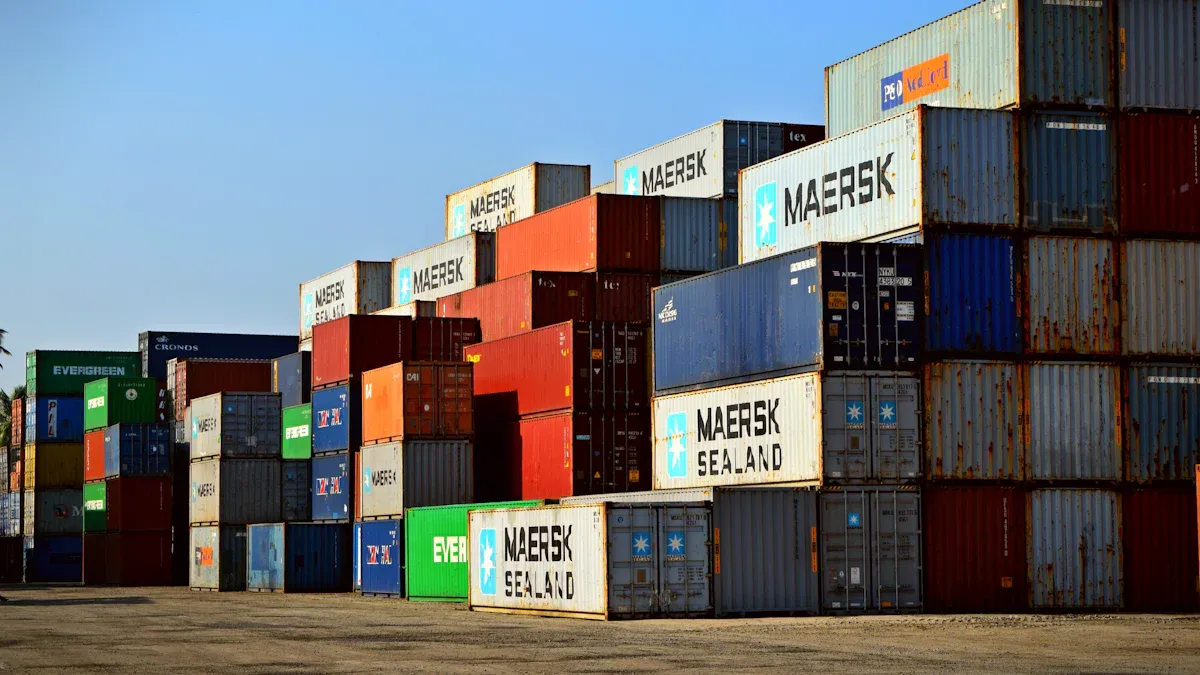
Types of Logistic Equipment Containers
Dry Storage Containers
Features
Dry storage containers are the most common type you will find in logistics. You see them in ports, warehouses, and on trucks. These containers come in standard sizes, usually 20 feet or 40 feet long. They have solid steel walls and a secure locking system. You can stack them easily, which saves space during storage and transport. The design keeps your cargo safe from weather and theft.
- Standard sizes: 20ft, 40ft, and sometimes 10ft
- Made from durable steel or aluminum
- Weatherproof and sealed against moisture
- Easy to load and unload with forklifts or cranes
Uses
You use dry storage containers for general cargo that does not need temperature control. They work well for boxes, pallets, electronics, textiles, and furniture. If you ship non-perishable goods, this Logistic Equipment Container gives you flexibility and security.
Flat Rack Containers
Features
Flat rack containers have a simple design. They have a flat bed with two end walls but no side walls or roof. You can fold the end walls down if you need a completely flat surface. This design lets you load cargo from the top or sides. Flat rack containers support heavy and oversized items that do not fit in standard containers.
- Available in 20ft and 40ft lengths
- Heavy-duty steel frame for extra strength
- Collapsible end walls for flexible loading
- Suitable for crane or forklift handling
Uses
You use flat rack containers for machinery, vehicles, construction materials, and large equipment. If your cargo is too wide or tall for a regular container, a flat rack gives you the space you need.
Open Top Containers
Features
Open-top containers look like standard dry storage containers, but they have no solid roof. Instead, you get a removable tarpaulin cover. This feature lets you load cargo from above with a crane. The open top design helps when your cargo is too tall or awkward for a regular container.
- Standard sizes: 20ft and 40ft
- Removable tarpaulin roof for easy top loading
- Steel construction for durability
- Lashing rings inside to secure cargo
Uses
You use open-top containers for cargo that cannot fit through the doors of a standard container. They work well for tall machinery, bulk minerals, scrap metal, and timber. If you need to load cargo with a crane, this container makes the job easier.
Refrigerated Containers
Features
You rely on refrigerated containers when you need to transport goods that require temperature control. These containers, also called “reefers,” use built-in cooling systems to maintain a specific temperature range. You can set the temperature from below freezing to just above room temperature. The walls have insulation to keep the cold air inside. You find standard sizes like 20ft and 40ft, which fit most shipping needs. The container has a secure locking system and a power connection for the refrigeration unit.
- Temperature range: -25°C to +25°C (or -13°F to +77°F)
- Insulated walls for consistent cooling
- Built-in refrigeration unit with external power supply
- Standard sizes: 20ft, 40ft
- Secure doors to prevent temperature loss
Uses
You use refrigerated containers for perishable goods. These containers help you ship food, pharmaceuticals, flowers, and chemicals that must stay cold. Supermarkets depend on reefers to move fresh produce and dairy products. Pharmaceutical companies use them for vaccines and medicines. If you need to keep your cargo fresh and safe, this Logistic Equipment Container gives you reliable temperature control.
Tank Containers
Features
Tank containers carry liquids, gases, and powders. You see a cylindrical tank mounted inside a steel frame. The frame matches the size of standard containers, so you can stack and transport them easily. The tank uses stainless steel, which resists corrosion and keeps your cargo pure. You find safety valves and pressure relief systems on every tank container. The design meets international safety standards for hazardous and non-hazardous materials.
- Cylindrical stainless steel tank inside a steel frame
- Standard sizes: 20ft (most common)
- Safety valves and pressure relief systems
- Suitable for stacking and intermodal transport
- Easy cleaning and maintenance
Uses
You use tank containers for chemicals, oils, beverages, and industrial liquids. These containers help you move hazardous materials safely. Beverage companies use them for wine and juices. Chemical manufacturers rely on tank containers for acids and solvents. If you need to transport bulk liquids or gases, this container offers secure and efficient handling.
Platform Containers
Features
Platform containers give you a flat surface with no walls or roof. You see a strong steel base that supports heavy and oversized cargo. The platform matches the footprint of standard containers, so you can use the same handling equipment. You find lashing points along the edges to secure your cargo. The design allows you to load from any direction.
- Flat steel base with reinforced structure
- No side walls or roof
- Standard sizes: 20ft, 40ft
- Lashing points for securing cargo
- Compatible with cranes and forklifts
Uses
You use platform containers for machinery, vehicles, construction materials, and large equipment. These containers help you move items that do not fit inside regular containers. Heavy industry and construction companies often choose platform containers for oversized loads. If you need flexibility in loading and unloading, this option gives you maximum access.
Cargo Storage Roll Containers
Features
Cargo storage roll containers give you a flexible way to move small or loose items. You see these containers made from a metal frame with mesh sides. Most models have wheels, so you can push or pull them easily. The design often includes a base, three or four sides, and sometimes a lid. You can fold or collapse many models for storage when not in use.
- Lightweight metal construction
- Mesh or solid sides for visibility and ventilation
- Swivel wheels for easy movement
- Foldable or stackable design
- Standard sizes vary, but most fit through doorways
Uses
You use cargo storage roll containers in warehouses, retail stores, and airports. These containers help you move parcels, groceries, laundry, or mail. You can quickly load and unload goods without heavy lifting. Supermarkets use them to restock shelves. Airports rely on them for baggage handling. If you need to transport many small items at once, this container saves you time and effort.
Half-Height Containers
Features
Half-height containers offer you a lower profile than standard containers. You get a container that stands about half as tall as a regular 20ft or 40ft unit. The steel construction gives you strength and durability. The open top or removable lid lets you load cargo from above. Drainage holes or slots help with wet or loose materials.
- Height: Usually about 4 to 5 feet
- Made from heavy-duty steel
- Open top or removable lid
- Drainage features for wet cargo
- Stackable for efficient storage
Uses
You use half-height containers for dense or heavy cargo that does not need a full-height container. Mining companies use them for ore, coal, or gravel. Construction sites use them for sand, scrap metal, or debris. You can load and unload these containers with cranes or forklifts. The lower height makes it easier to access the cargo.
Car Carriers
Features
Car carriers give you a safe way to transport vehicles. You see these containers designed with built-in ramps and secure tie-down points. Some models have two levels, so you can load more than one car. The steel frame protects vehicles from damage during transit. Ventilation slots prevent moisture buildup inside the container.
- Built-in ramps for easy loading
- Tie-down points for securing vehicles
- Single or double-deck options
- Steel construction for maximum protection
- Ventilation for moisture control
Uses
You use car carriers to ship cars, trucks, or other vehicles over long distances. Auto dealers use them to move new vehicles from factories to showrooms. Individuals use them for relocating personal cars. Auction houses rely on car carriers for transporting multiple vehicles at once. If you need to move a vehicle safely and efficiently, this Logistic Equipment Container gives you peace of mind.
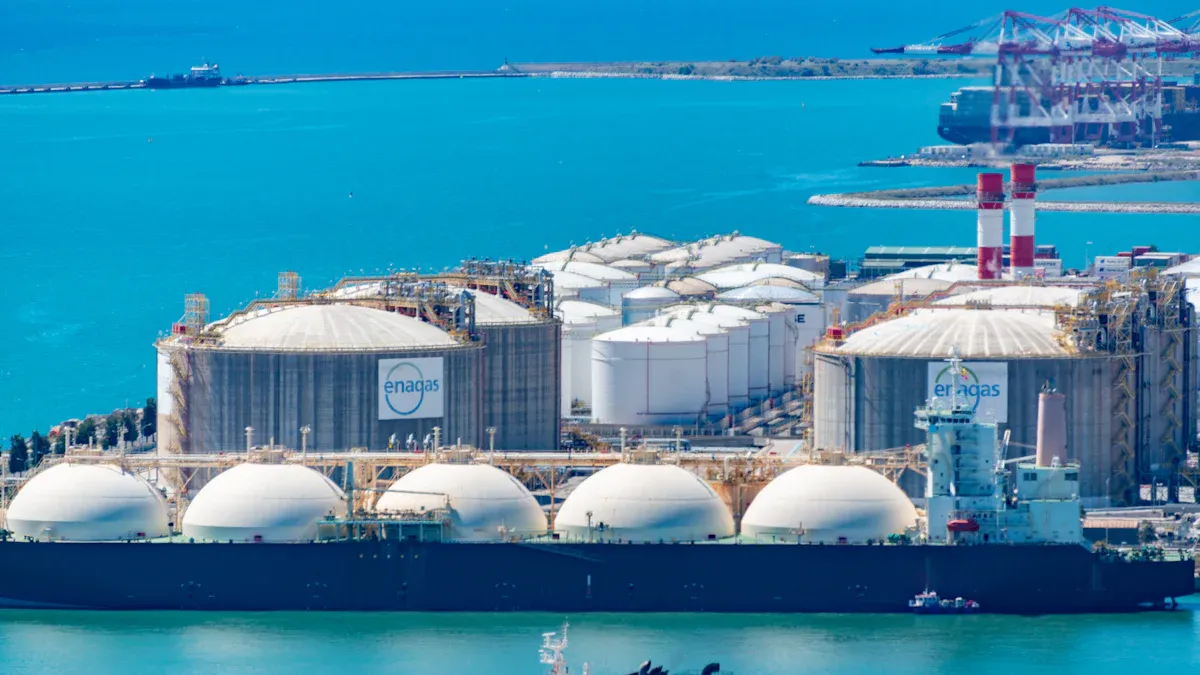
Specialized Logistic Equipment Containers
High Cube Containers
You often need extra space for your cargo. High cube containers give you that advantage. These containers look like standard dry storage containers but stand about one foot taller. The extra height lets you load more goods or fit bulky items that would not fit in a regular container.
- Height: 9.5 feet (compared to the standard 8.5 feet)
- Common sizes: 40ft and 45ft
- Material: Steel or aluminum for durability
- Stackable: Yes, like standard containers
You use high cube containers for lightweight, voluminous cargo. Furniture, mattresses, and large equipment fit well inside. Many companies choose high cube containers for shipping consumer goods, electronics, or textiles that need more vertical space.
| Feature | Standard Container | High Cube Container |
|---|---|---|
| Height | 8.5 ft | 9.5 ft |
| Volume | ~67 m³ (40ft) | ~76 m³ (40ft) |
| Best for | General cargo | Bulky/light goods |
Insulated Containers
You want to protect your cargo from temperature changes. Insulated containers help you do that. These containers have insulated walls, floors, and ceilings. The insulation keeps the inside temperature stable, even when outside conditions change.
- No active cooling or heating system
- Thick insulated panels
- Standard sizes: 20ft and 40ft
- Sealed doors for better temperature control
You use insulated containers for goods that need protection from heat or cold but do not require refrigeration. Chocolate, canned food, and chemicals often travel in insulated containers. You also use them for sensitive electronics or artwork.
You can combine insulated containers with cooling packs or dry ice for extra protection. This method works well for short trips or when you need to keep costs low.
Ventilated Containers
You need to ship cargo that must breathe. Ventilated containers solve this problem. These containers have small vents along the top and bottom. The vents let air flow through the container, which helps prevent moisture buildup and mold.
- Standard sizes: 20ft and 40ft
- Steel construction with ventilation grills
- Stackable and secure
- Easy to load and unload
You use ventilated containers for agricultural products like coffee beans, cocoa, or potatoes. These goods need fresh air during transport. You also use ventilated containers for items that release moisture, such as lumber or textiles.
A ventilated container protects your cargo from condensation and spoilage. You keep your goods in better condition and reduce losses.
Swap Body Containers
You may not see swap body containers as often as standard shipping containers, but they play a vital role in European logistics. Swap body containers give you flexibility and efficiency, especially if you work with road and rail transport. These containers have a unique design that lets you quickly transfer cargo between trucks and trains without unloading the goods.
Key Features of Swap Body Containers:
- Detachable from the chassis: You can lift the container off the truck or trailer and leave it standing on its own support legs.
- Standardized sizes: Most swap bodies come in lengths of 7.15, 7.45, or 7.82 meters. The width usually matches the European pallet size, making loading easier.
- Lightweight construction: Manufacturers use aluminum or composite materials to reduce weight. This feature helps you carry more cargo without exceeding weight limits.
- No corner castings: Unlike ISO containers, swap bodies do not have corner fittings for stacking. You use them mainly for ground-level storage or transport.
- Flexible doors and openings: Many models offer side doors, sliding curtains, or full-width rear doors. You can load and unload goods from the side or back.
Common Uses for Swap Body Containers:
You often use swap body containers in regional and domestic transport. Logistics companies in Europe rely on them for parcel delivery, retail distribution, and express freight. You can load goods at a warehouse, transport the swap body by truck, and then transfer it to a train for long-distance travel. When the swap body reaches its destination, you can place it on another truck for final delivery.
Advantages of Swap Body Containers:
| Feature | Benefit to You |
|---|---|
| Quick transfer | Reduces handling time |
| Lightweight | Increases payload capacity |
| Flexible access | Eases loading and unloading |
| Pallet compatibility | Fits standard European pallets |
| Ground-level storage | No need for special equipment |
You gain several benefits when you use swap body containers. You can speed up your supply chain, lower your labor costs, and reduce the risk of cargo damage. Swap bodies also help you optimize routes by combining road and rail transport.
When Should You Choose Swap Body Containers?
- You need to move goods quickly between trucks and trains.
- Your cargo fits standard European pallets.
- You want to minimize manual handling.
- You operate mainly within Europe or regions with compatible infrastructure.
Swap body containers give you a smart solution for flexible, multi-modal logistics. If you want to streamline your operations and adapt to changing transport needs, consider adding swap bodies to your equipment lineup.
Choosing the Best Logistic Equipment Container
By Cargo Type
You need to match your container to your cargo. Each type of cargo has unique needs. For example, perishable goods like fruits or medicines require temperature control. You should choose a refrigerated container for these items. Heavy machinery or vehicles need strong support and open access. Flat rack or platform containers work best for oversized or awkwardly shaped cargo. If you ship bulk liquids, tank containers offer the safest option. For general goods such as electronics, clothing, or furniture, dry storage containers provide security and weather protection.
| Cargo Type | Best Container Type | Why? |
|---|---|---|
| Perishables | Refrigerated | Maintains temperature |
| Heavy Machinery | Flat Rack/Platform | Handles weight and size |
| Bulk Liquids | Tank | Safe for liquids/gases |
| General Goods | Dry Storage | Secure and weatherproof |
| Agricultural Goods | Ventilated | Prevents moisture buildup |
By Shipping Method
You must consider how you plan to move your goods. Sea, rail, road, and air transport each have different requirements. Standard containers, such as dry storage or high cube, fit most sea and rail shipments. If you use road transport in Europe, swap body containers give you flexibility and fast transfers. Air freight often needs lightweight and smaller containers. For multi-modal shipping, choose containers that meet ISO standards. This choice ensures smooth transfers between ships, trains, and trucks.
- Sea: Use standard or specialized containers for long distances.
- Rail: Choose containers that stack easily and fit railcar sizes.
- Road: Pick containers with easy access and fast loading features.
- Air: Select lightweight, compact containers for cost savings.
By Storage Needs
You should think about how you will store your cargo before and after shipping. If you need to stack containers in a warehouse, standard or high cube containers save space. For quick access to goods, roll containers or open top containers work well. If you store hazardous materials, tank containers with safety features protect your facility. Half-height containers help when you need to store heavy or dense items with easy access.
- Stackable containers maximize warehouse space.
- Roll containers allow fast movement inside facilities.
- Insulated containers protect goods from temperature swings during storage.
You have many container options, each designed for specific cargo and shipping needs. Dry storage, flat rack, refrigerated, and tank containers all serve unique purposes. Before you choose, review your cargo type, shipping method, and storage needs.
Quick Checklist for Container Selection:
- Identify your cargo’s requirements
- Check container features and size
- Consider safety and cost factors
CIMC TLC|RYC|XLC is a leading manufacturer of logistic equipment, including containers and a wide range of standard and specialized logistics solutions. With years of industry experience, we specialize in the design, production, and distribution of high-quality, innovative products tailored to meet the unique needs of our customers.
Whether you require refrigerated containers, cold chain equipment, containerized equipment integration, or modular buildings, CIMC TLC|RYC|XLC is your trusted partner. We welcome inquiries from customers worldwide and look forward to collaborating with you to provide exceptional logistics solutions.