



 EN
EN  RU
RU 
I. Introduction:
In today’s highly technological and innovative business environment, super freezing containers have become a leading force in temperature-controlled storage. These vessels not only redefine the standards of temperature control but also play a key role in meeting the needs of various industries. This article will provide an in-depth look at what ultra-freezer containers are, the importance of temperature-controlled storage, and key differences from traditional standard freezer containers, aiming to provide readers with a comprehensive understanding of this critical technology.
II. Define super freezer containers:
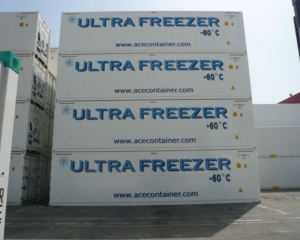
Superfreezers are highly advanced storage devices designed to enable temperature-controlled storage at extremely low temperatures. Typically, these containers have a temperature range of minus 60 to minus 80 degrees Celsius, enabling them to meet the stringent requirements for extremely cold environments in industries such as pharmaceuticals, biotechnology and vaccine transportation.
III. The importance of temperature-controlled storage:
In the contemporary pharmaceutical and biotechnology world, temperature-controlled storage has become critical. Many biopharmaceuticals, vaccines, and biologics are extremely temperature-sensitive, and it is critical that they be maintained within a specific temperature range to ensure their safety and effectiveness. Super-freezer containers provide these industries with assurance by providing extremely low temperatures, ensuring the quality and integrity of their products throughout the supply chain.
IV. The purpose of discussing the differences from standard freezer containers:
The purpose of this article is to delve into the key differences between ultra-freezer containers and traditional standard freezer containers. By comparing their design, working principles and application areas, we will reveal how super-freezing containers function at the forefront of temperature-controlled storage. Understanding these differences is critical for businesses and industry professionals as they can help them better select a storage solution that works for their specific needs.
By reading this article, readers will gain a clear understanding of super-freezer containers, their importance in the modern business environment, and their key differences from traditional freezer containers.
V. Main features of super freezer containers:
- Broad temperature range:
One of the key features of superfreeze containers is their wide temperature range, typically being able to maintain between minus 60 and minus 80 degrees Celsius. This makes it ideal for many industries, especially pharmaceutical, biotechnology and scientific research. This extremely low-temperature range ensures that the container can safely and stably store biological samples, products and drugs that are extremely temperature sensitive.
- Advanced insulation materials:
Superfreezer containers use advanced insulation materials designed to minimize heat exchange, ensuring extremely low temperatures can be maintained inside the container. Not only do these insulation materials protect the contents of the container from outside temperatures, but they also increase energy efficiency and reduce energy consumption.
- Efficient cooling system:
Such vessels are equipped with efficient cooling systems to ensure that the required ultra-low temperatures are maintained evenly throughout the interior of the vessel. Advanced refrigeration technology and systems ensure stable temperature control and prevent temperature fluctuations, thereby maintaining the stability and quality of stored items.
- Industry applications requiring ultra-low temperature:
Super freezing containers are widely used in industries with extremely high ultra-low temperature requirements. This includes the pharmaceutical industry, for the storage of biological products and vaccines; the biotechnology sector, for the preservation of cells, DNA and other biological samples; and scientific research, for ultra-low temperature experiments in laboratories. Its application in these fields ensures the safe storage and transportation of temperature-sensitive items.
- Scalability:
Super freezing containers are designed to be flexible and have certain scalability. This scalability enables it to adapt to different sizes and types of storage needs. Whether you are a small laboratory or a large pharmaceutical company, superfreeze containers provide customizable solutions to meet the needs of various application scenarios.
Super-freezing containers have demonstrated outstanding characteristics in the field of temperature-controlled storage through their extremely low-temperature range, advanced insulation materials, efficient cooling systems, and wide range of industry applications, providing safe storage of temperature-sensitive items. and transportation provides reliable solutions.
VI. Key features of standard freezer containers:
- General temperature range:
Standard freezer containers are usually designed to operate in a milder temperature range, typically between minus 18 and minus 25 degrees Celsius. This range is suitable for the safe storage of many frozen items, including food, pharmaceuticals and other sensitive products.
- Conventional insulation:
Standard freezer containers typically use conventional insulation materials compared to super freezer containers. These materials perform well at slowing down heat conduction, and while they do not reach the high level of insulation of ultra-low temperature containers, they are sufficient to maintain a relatively stable low temperature inside the container.
- Standard refrigeration system:
Standard freezer containers are equipped with a universal standard refrigeration system, including a refrigerant cycle, compressor and temperature controller. This system provides reliable cooling performance and is suitable for storage needs that require lower temperatures but not extremely low temperatures.
- Versatility in storing a variety of frozen items:
Standard freezer containers are designed for versatility, capable of storing a variety of frozen items, from food and pharmaceuticals to laboratory samples. This versatility makes it ideal for a wide range of applications in business, medical and scientific fields.
- Expandable features:
Intelligent temperature monitoring:
Some advanced standard freezing containers are equipped with intelligent temperature monitoring systems that provide real-time data feedback and remote monitoring. This helps users monitor the temperature inside the container anytime and anywhere to ensure the safety of frozen items.
- Adjustable interior layout:
To accommodate different sizes and types of frozen items, some standard freezer containers have adjustable interior layouts. This gives users the flexibility to configure storage space within the container as needed.
- Energy efficient design:
As the focus on energy efficiency increases, some standard refrigeration containers adopt energy-efficient designs to reduce energy consumption and improve operating efficiency by optimizing the refrigeration system and insulation materials.
- Anti-frost technology:
In order to reduce frost on the surface of frozen items, some standard freezer containers apply anti-frost technology to ensure that frozen items are always kept in good storage conditions.
These main features and expandable features of standard freezing containers enable them to be used in a wide range of application scenarios, providing users with reliable refrigeration and freezing solutions.
VII. Insulation and Cooling Technology for Super Freezer Containers
Insulation and cooling technologies are critical in the design of super-freezing containers, as they directly impact the performance and efficiency of the container. Insulation and cooling technologies for super-freezer containers and standard freezer containers are discussed in depth below.
Super Freezer Container:
- In-depth explanation of the advanced insulation layer:
The super-freezer containers are insulated using state-of-the-art insulation materials, including high-efficiency insulating foam, vacuum layers and composite insulation. High-efficiency insulation foam has a tiny bubble structure that reduces heat conduction, and the vacuum layer effectively cuts off the heat transfer path, while composite insulation materials combine different insulation principles to improve the overall insulation effect. This deep insulation layer ensures that the interior of the container can maintain extremely low temperatures for a long time and adapt to various complex environments.
- Learn more about complex cooling technologies:
The cooling technology of super-freezing containers usually uses advanced compression refrigeration systems or liquid nitrogen refrigeration systems. These systems can operate at extremely low temperatures and achieve precise regulation of the temperature inside the vessel through sophisticated temperature control systems. In a compression refrigeration system, the refrigerant absorbs and releases heat through the process of compression and expansion, thereby achieving temperature control. The liquid nitrogen refrigeration system uses the low-temperature characteristics of liquid nitrogen to quickly cool the container to the required temperature.
Standard freezer container:
- Overview of traditional insulation methods:
Standard freezer containers typically use traditional insulation methods, including fiberglass, foam, and other common insulation materials. These materials are relatively basic in their insulation properties, using air or other fillers to reduce heat transfer. However, compared to super-freezing containers, their insulation effect is more limited and may not perform well in long-term cryogenic storage.
- Standard refrigeration system description:
Standard refrigeration containers usually use traditional refrigeration systems, including compression refrigeration and evaporative refrigeration. These systems operate within a relatively low-temperature range and are suitable for general refrigeration needs. However, due to their limited temperature range, standard freezer containers may not provide ideal performance for special applications requiring extremely low temperatures.
By comparing the insulation and cooling technology of these two containers, we can clearly see the advantages of super-freezer containers in terms of the depth of the insulation layer and the advanced cooling technology used. These innovative designs enable super-freezing containers to perform exceptionally well in response to extremely low-temperature demands, providing a safer and more reliable storage environment for temperature-sensitive items.
VIII. Application of super refrigerated containers
In order to meet the transportation and storage needs of ultra-low temperature requirements, we have designed an advanced super refrigerated container application. This app will provide detailed and professional support in the following areas:
1. Transportation of vaccines and medicines:
a. Temperature control and monitoring:
The container is equipped with a high-precision temperature control system to ensure that vaccines and medicines are in a precise ultra-low temperature environment during transportation.
Real-time temperature monitoring and recording, providing real-time data via cloud connection to ensure the safety and quality of goods.
b. Constant humidity performance:
The container has a built-in humidity control system to ensure that pharmaceuticals maintain appropriate humidity levels during transportation, preventing freezing and humidity-induced problems.
c. Safety performance:
The containers feature the latest security technology, including real-time monitoring, alarm systems and remote locking capabilities, to protect transported vaccines and pharmaceuticals from potential risks.
2. Storage of high-value biopharmaceuticals:
a. Precise control of temperature and humidity:
The containers offer advanced temperature and humidity control and are suitable for long-term storage of high-value biopharmaceuticals.
Temperature and humidity sensors monitor in real-time to ensure storage conditions meet the specific requirements of biopharmaceuticals.
b. Intelligent storage system:
The container is equipped with an intelligent storage system, which can automatically adjust storage conditions according to the characteristics of the medicine to improve storage efficiency and stability.
c. Security and traceability:
The containers are equipped with secure storage technology, including biometric systems and traceability labels, to ensure the safety and traceability of medicines.
3. Other key industries with ultra-low temperature requirements:
a. Food industry:
Suitable for freezing needs of special foods, such as fresh ingredients, frozen foods, etc.
b. Scientific research fields:
Provide a reliable ultra-low temperature environment for scientific experiments and sample transportation to ensure the reliability of experimental data.
c. Aerospace:
Used to transport and store cryogenic materials and equipment required by the aerospace industry.
4. Application features:
a. Scalability:
The container design is highly scalable and can be customized according to the needs of different industries to meet ultra-low temperature requirements of different sizes and types.
b. Energy saving and environmental protection:
Adopt an advanced energy management system to minimize energy waste while complying with environmental standards.
c. Remote management:
Provides remote monitoring and management functions, allowing users to monitor the status of goods anytime and anywhere and take necessary measures.
Through this super refrigerated container application, we are committed to meeting the strict requirements of various industries for ultra-low temperature environments and providing reliable solutions for the safe transportation and storage of vaccines, medicines and other high-value items.
IX. Applications of standard freezer containers
Standard freezing containers are one of the key pieces of equipment widely used in cold chain logistics and frozen food industries. Its applications range from the transportation of frozen foods to the storage of ice cream and conventional frozen foods, as well as general applications across industries. Below is information detailing these areas:
1. Transportation of frozen food
1.1 Temperature control
Standard freezer containers play a key role in the transportation of frozen foods. They are designed to maintain specific low temperatures, ensuring that frozen food remains within a safe temperature range throughout transportation to prevent food spoilage and loss of quality.
1.2 Efficient freshness preservation
Freezer containers are often equipped with advanced preservation technologies, such as refrigerated air circulation systems and temperature sensors, to ensure that food remains fresh throughout the transportation process while reducing freezing and dehydration of frozen food.
1.3 Packaging optimization
Standard freezer containers are designed taking into account the characteristics of different types of frozen food, providing customized packaging and storage solutions that ensure minimal loss and waste during transportation.
2. Storage of ice cream and conventional frozen foods
2.1 Maintain texture and taste
For products that require special storage conditions, such as ice cream, standard freezer containers provide precise temperature control to ensure product texture and taste are maintained. Temperature stability and humidity control are key factors to ensure the quality of frozen food.
2.2 Inventory management
Freezer containers help optimize inventory management by providing flexible storage space and adapting to different sizes and shapes of packaging. Automated systems and smart monitoring capabilities help track inventory in real-time ensure timely supply and reduce the risk of expired products.
2.3 Energy saving and environmental protection
Modern refrigeration containers usually use energy-saving and environmentally friendly technologies, such as efficient refrigeration systems and environmentally friendly refrigerants, to reduce energy consumption and reduce adverse impacts on the environment.
3. Universal applications across industries
3.1 Biomedical industry
In the field of biomedicine, standard refrigerated containers are widely used for the storage and transportation of biological products such as drugs and biological samples. Constant temperature, shockproof, moisture-proof and other characteristics make it an ideal choice for safe transportation of biomedical items.
3.2 Chemical industry
Some chemical products need to be stored in a low-temperature environment to ensure their stability and safety. Standard freezing containers can provide a stable low-temperature environment to meet the storage needs of chemical products.
3.3 Laboratories and research
In the field of scientific research, cryogenic containers are used to store experimental samples, biological products and other materials that require a low-temperature environment. Its precise temperature control and safety make it an indispensable device for laboratories and scientific research institutions.
Generally speaking, standard refrigeration containers play a vital role in cold chain logistics, frozen food storage, and general cross-industry applications. Through advanced technology and design, they provide efficient and reliable refrigeration solutions for various industries.
X. regulatory compliance
Regulatory compliance is critical in the world of ultra-freezer containers, especially given that these containers are often used to store and transport extremely temperature-sensitive items. Here is detailed professional information on regulatory compliance for Super Freezer Containers and Standard Freezer Containers:
super freezer container
- Comply with strict regulatory standards:
Super freezer containers must strictly comply with international, national and regional regulatory standards to ensure safety and compliance during storage and transportation.
Adopt internationally accepted quality management systems, such as ISO 9001, to prove that production and operation processes comply with international quality standards.
- Incorporate temperature monitoring system:
Equipped with a high-precision temperature monitoring system, it can monitor the internal temperature of the container in real-time to ensure that the quality and integrity of items are maintained under ultra-low temperature conditions.
The temperature monitoring system should have an alarm function. Once the temperature is abnormal, a notification will be issued immediately so that timely measures can be taken to prevent damage to items.
- Compliance with transport and storage regulations:
In the design and manufacture of super-freezing containers, transportation and storage regulations are taken into consideration to ensure that the containers can maintain the required ultra-low temperature conditions during transportation and storage.
Containers should comply with international, national and regional transportation regulations, including but not limited to dangerous goods transportation regulations, to ensure the safe transportation of items.
- Tight Emergency Handling Plan:
Develop and implement an emergency plan to prevent potential incidents causing damage to the superfreeze container and its contents.
Train operators to ensure they can quickly and effectively respond to emergencies, including temperature abnormalities, equipment failures, etc.
- Recording and reporting requirements:
Keep detailed records including temperature monitoring data, container usage history and maintenance records to provide to regulatory agencies for review if required.
Promptly report any issues related to temperature control and container safety to relevant regulatory authorities to ensure transparency and compliance.
Standard freezer container
- Observe basic transport and storage regulations:
Standard refrigerated containers also need to comply with basic national and regional transportation and storage regulations to ensure safety and compliance during storage and transportation.
- Adoption of quality management system:
Adopt a quality management system to ensure compliance and traceability of production and operation processes.
Consider international quality management system standards such as ISO 9001 to improve the overall quality level of standard freezer containers.
- Regular maintenance and inspection:
Implement regular maintenance and inspection procedures to ensure containers are functioning properly and complying with basic safety standards.
Perform preventive maintenance to reduce the risk of equipment failure and ensure the safety of stored items.
- Basic temperature monitoring:
Ensure a basic temperature monitoring system to meet the basic requirements for temperature stability of standard freezer containers.
When necessary, temperature monitoring and alarm functions can be added according to customer needs.
- Recording and reporting:
Maintain necessary records, including maintenance records and temperature monitoring data during transportation, to allow regulatory agencies to conduct basic compliance reviews.
In summary, whether it is a super freezing container or a standard freezing container, it is necessary to strictly comply with regulatory standards, ensure the effectiveness of the temperature control system, improve quality management levels, and respond quickly to emergencies when necessary to ensure the storage and transportation process compliance and security ineight.
- Cost and energy efficiency
When considering the cost and energy efficiency of super-freezer containers versus standard freezer containers, a detailed professional analysis is required, including the following:
Super Freezer Container:
- Higher initial investment:
Super-freezer containers typically involve highly advanced technology and materials, resulting in higher initial investments.
This may include advanced insulation materials, efficient compression refrigeration systems and advanced control systems, among others.
- Energy consumption leads to increased operating costs:
While super freezers may be more efficient at maintaining extremely low temperatures, their high efficiency and performance often come with higher energy consumption.
High energy consumption can lead to significant increases in operating costs, especially in the case of long-term operations and large-scale applications.
- Scalability:
Superfreezer containers may be more scalable and able to handle large-scale demand and future expansion.
This scalability may make it ideal for handling large demands or as scale increases in the future.
Standard Freezer Container:
- Cost-effective both in terms of investment and operating expenses:
Standard freezer containers typically utilize more traditional technologies and materials, resulting in a relatively low initial investment.
This makes standard freezer containers more cost-effective on a smaller scale and with a limited budget.
- A balanced approach to improving energy consumption efficiency:
For standard refrigerated containers, the focus may be on improving energy consumption efficiency to reduce operating costs.
This can be achieved by using advanced insulation materials, optimizing compression refrigeration systems, and implementing intelligent control systems.
- Sustainability and environmental protection:
Standard freezer containers may be designed with a greater focus on sustainability and environmental protection, reducing overall environmental impact through the use of environmentally friendly materials and low-power technologies.
When selecting the appropriate freezer container, factors such as production scale, budget, long-term operating costs, sustainability, and more need to be considered. For situations where high demand and scalability are required, super-freezer containers may be a more suitable choice. Where budgets are limited and operations are small, standard freezer containers may be more practical. At the same time, using advanced technology and management strategies, whether it is a super or standard freezer container, can improve energy efficiency and reduce operating costs to a certain extent.
XI. Are freezer containers safe?
Yes, freezer containers are generally safe, but safety depends on several factors, including design, build quality, usage, and maintenance. Here is a detailed professional description of freezer container safety:
- Material selection and manufacturing process:
Compliant materials: Safe freezer containers are usually made of materials that comply with international health and safety standards, such as stainless steel, polyethylene, etc. These materials maintain physical strength and chemical stability in low-temperature environments.
Precision manufacturing: The quality of the manufacturing process directly affects the safety of the container. Strict manufacturing standards and quality controls help ensure that the containers will not develop defects or structural issues during use.
- Temperature control system:
Precise control: Safe freezing containers should be equipped with a highly precise temperature control system to ensure stable operation within the set temperature range. This is critical for storing temperature-sensitive samples and biologicals.
Monitoring and alarming: Advanced containers usually have real-time monitoring systems and alarm mechanisms that can promptly respond to any temperature anomalies and ensure timely measures are taken when problems occur.
- Sealing performance:
Effective sealing: The sealing performance of the container is crucial to maintaining a stable low-temperature environment. A good seal prevents cold air from leaking out and prevents outside air from entering, slowing down the workload on the refrigeration system.
Moisture-proof design: Some high-end containers also adopt moisture-proof design to ensure that there will be no frost or condensation during long-term use and maintain the stability of the internal environment.
- Use and Maintenance Guide:
Proper use: Users need to operate the freezer container in accordance with the user manual provided by the manufacturer, including setting the temperature correctly, avoiding overloading, etc. Improper use may result in reduced performance or damage to the container.
Regular maintenance: Regular maintenance is key to ensuring the safety and performance of your freezer container. This includes cleaning the refrigeration system, checking sealing performance, replacing aging parts, etc.
Overall, refrigerated containers are relatively safe equipment, but users should follow relevant guidelines and procedures during selection, use, and maintenance to ensure safe and reliable operation.
XII. In conclusion:
Yangzhou Tonglee Reefer Container Co., Ltd., as a representative of super refrigerated containers, demonstrates the outstanding characteristics of advanced refrigeration technology. Its design and functionality have significant advantages in the industry, especially in areas with ultra-low temperature requirements. Its temperature control capabilities far exceed those of standard freezing containers and can reach extremely low-temperature levels, providing users with unique professional services.
Yangzhou Tongli refrigerated containers are widely used in the biomedical field, covering key areas such as biological sample storage, biological product production and vaccine storage. Its excellent performance ensures the stability and activity of biological materials in extremely low-temperature environments, providing indispensable support for scientific research and medical fields.
Compared with traditional refrigerated containers, the main difference of Yangzhou Tongli refrigerated containers is its more advanced and sophisticated temperature control system. Not only does this allow it to reach lower temperatures, but it also maintains a constant temperature more precisely. This is critical for scenarios requiring precise temperature control in scientific research experiments and medical applications. In addition, the container is usually equipped with advanced monitoring and alarm systems that can promptly detect and respond to any potential temperature anomalies to ensure that stored items are not damaged.
In general, the application of Yangzhou Tongli refrigerated containers has brought revolutionary changes to industries with ultra-low temperature requirements. Its advanced technology and expertise make it an indispensable tool in biomedicine, scientific research and medical applications. With the continuous advancement of science and technology, Yangzhou Tongli refrigerated containers are expected to continue to evolve and develop, providing reliable low-temperature solutions for more fields.
How do I contact the CIMC container?
Phone:+86-514-80383130. Mail: [email protected]