



 EN
EN  RU
RU 
Introduction:
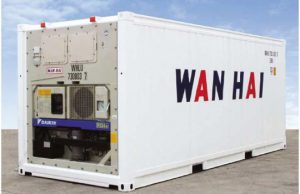
In the realm of transporting temperature-sensitive goods across vast oceans, the role of refrigeration sea containers is paramount. This article intricately explores the mechanisms and technologies employed by refrigerated shipping containers to maintain precise temperature control during maritime transport. From the complexities of the container’s design to the cutting-edge technologies integrated into its systems, we aim to provide a comprehensive understanding of the processes that safeguard perishable cargo across long and challenging sea voyages.
Section 1: The Core Components of Refrigeration Systems
1.1 Compressors and Circulation:
Delve into the fundamental role of compressors in pressurizing and circulating the refrigerant within the container’s cooling system. Discuss how efficient compressors contribute to the overall cooling capacity and temperature control.
1.2 Thermostats and Sensors:
Examine the central role of thermostats as regulators for the internal temperature, continuously measuring and adjusting cooling mechanisms. Explore the strategic placement of sensors throughout the container, providing real-time data to ensure precise temperature control.
Section 2: Insulation and Temperature Stability
2.1 Insulation Materials:
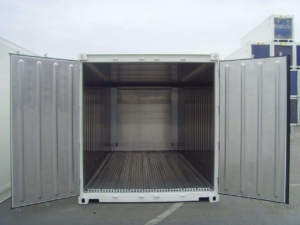
Discuss the significance of high-quality insulation materials, such as polyurethane foam, in minimizing heat exchange between the container’s interior and the external environment. Highlight how insulation contributes to temperature stability, especially in the face of external temperature fluctuations.
2.2 Temperature Recording Devices:
Explore the incorporation of temperature recording devices within refrigeration sea containers. Discuss how these devices maintain detailed data logs of temperature conditions throughout the maritime journey, providing valuable information for quality assurance and compliance purposes.
Section 3: Adaptability to External Conditions
3.1 Weatherproofing and Structural Design:
Examine how refrigeration sea containers are designed to withstand the challenges posed by maritime environments, including storms and saltwater exposure. Discuss the use of weatherproof and corrosion-resistant materials to ensure the container’s structural integrity.
3.2 Humidity Control Systems:
Explore the importance of humidity control systems, including dehumidification and humidification mechanisms, in maintaining optimal humidity conditions for specific cargo. Discuss how these systems contribute to preventing moisture-related issues during transport.
Section 4: Air Circulation and Uniform Temperature Distribution
4.1 Fans and Ventilation Systems:
Highlight the role of fans and ventilation systems in ensuring proper air circulation within the container. Discuss how these components prevent the formation of hotspots, guaranteeing a uniform temperature throughout the cargo space.
4.2 Temperature Mapping:
Examine the practice of temperature mapping, involving the creation of a comprehensive profile of temperature variations within the container. Discuss how this practice aids in identifying potential hotspots and optimizing cargo placement for enhanced temperature control.
Section 5: Power Supply Reliability
5.1 Primary Power Sources:
Discuss the reliance on primary power sources for the continuous operation of refrigeration systems. Explore how these power sources are essential for maintaining temperature control during normal operating conditions.
5.2 Backup Power Systems:
Examine the integration of backup power systems within refrigeration sea containers. Discuss their crucial role in preventing system failures during power outages, and ensuring uninterrupted temperature control during unforeseen circumstances.
Section 6: Control Panels and User Interface
User-Friendly Interfaces:
Explore the design and functionality of control panels as the interface for operators to set and monitor temperature conditions. Discuss how user-friendly interfaces enhance the ease of operation, allowing for quick adjustments and real-time monitoring.
Section 7: Overcoming Challenges and Future Innovations
7.1 External Variables and Predictive Algorithms:
Acknowledge the challenges posed by external factors such as ambient temperature and weather fluctuations. Discuss the incorporation of predictive algorithms in advanced systems, enabling adaptation to external variables and enhancing overall temperature control resilience.
7.2 Emergency Protocols:
Highlight the importance of emergency protocols in addressing unforeseen events like power outages or system failures. Discuss how refrigeration sea containers are equipped with backup power sources and contingency plans to prevent cargo losses during emergencies.
Section 8: Integration with Emerging Technologies
8.1 Internet of Things (IoT):
Explore the integration of the Internet of Things (IoT) in refrigeration sea containers, allowing seamless communication with central control systems. Discuss how IoT-enabled containers enhance efficiency, provide real-time insights, and enable predictive maintenance for continuous temperature control optimization.
8.2 Machine Learning and Predictive Analytics:
Examine the incorporation of machine learning algorithms for predictive analytics in temperature control systems. Discuss how predictive capabilities enable proactive measures to address potential deviations before they impact cargo integrity, contributing to the overall efficiency of refrigerated shipping containers.
Section 9: Compliance with International Standards
9.1 International Regulations:
Emphasize the adherence of refrigeration sea containers to international standards and regulations governing the transportation of perishable goods. Discuss how compliance ensures the safety and quality of transported products, facilitating seamless global trade.
9.2 Temperature Mapping Advancements:
Explore ongoing advancements in temperature mapping technologies, contributing to a more comprehensive understanding of temperature variations within containers. Discuss how these innovations optimize cargo placement and enhance temperature control precision.
Conclusion:
In conclusion, the intricate mechanisms employed by refrigeration sea containers to maintain temperature control during maritime transport are pivotal for the preservation of temperature-sensitive cargo. From core components to emerging technologies, these containers represent a dynamic and evolving landscape at the intersection of engineering, technology, and logistics. As they continue to address challenges, integrate innovations, and comply with global standards, refrigeration sea containers will play an increasingly crucial role in the seamless and secure transportation of perishable goods across the world’s oceans. The commitment to excellence in temperature control reflects not only technological advancement but also a dedication to ensuring the integrity, safety, and quality of goods within the global cold chain.
CIMC Yang Zhou Base is a leading manufacturer of refrigeration sea containers and various other standard and special logistics equipment. With years of experience in the industry, it focuses on the design, production and distribution of high-quality innovative products that meet the specific needs of customers.
If you need high-quality and innovative logistics equipment, including refrigerated containers, cold chain equipment, containerized equipment integration, modular buildings, etc., CIMC Yang Zhou Base is your best choice. Welcome inquiries from customers all over the world and look forward to the opportunity to cooperate with you.