



 EN
EN  RU
RU 
In global commerce, temperature is often the unintentional factor that affects success or failure. New fruit that arrives on the day is too warm, the vaccines are exposed to an unstable cold chain, or frozen meat that is thawed during the transportation process can all lead to significant losses. This is where the reefer container, also known as the refrigerated shipping container or RF container, becomes an essential part of modern logistics.
Whether you’re considering purchasing a reefer container, sourcing from a reputable reefer container manufacturer, or evaluating 20 reefer options for international transport, understanding the design, usage, and maintenance of these containers is essential. This article addresses the practical, real-world nature of reefer shipping: how it works, where it’s most effective, and how to choose the appropriate solution for your cargo and transportation.
The Reefer Container Beyond the Basics
A reefer container is not simply a rectangular steel container with a cooling system attached. It’s a carefully crafted thermal system that is intended to maintain a consistent internal temperature in the face of constant environmental change. From tropical harbors to sub-zero rail pathways, a reefer sea container must be able to function consistently without negatively impacting the structural integrity or insulation efficiency of the container.
In the industry, containers for reefs are typically referred to by several different names, including reefer containers that are shipped by sea, refrigerated sea containers, freezer containers, or special containers for reefs. Size-based terms like 20 RF, 40 RF, 20 ft. reefer, and 40 ft. reefer are also commonly employed, especially during the procurement and planning of logistics.
Despite the different names, the goal is still the same: to safeguard the temperature-sensitive cargo throughout the transportation cycle.
Operational Environment: Designed for Global Extremes
One of the most recognized attributes of a modern reefer container is its capacity to operate across a broad environmental spectrum. A sturdy refrigerated shipping container is intended to operate without the structural degradation of +30°C to +70°C.
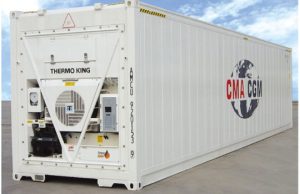
Internally, the container is equipped with a mechanical refrigeration system that is located at the front of the container. This integrated component enables the container to maintain internal temperatures that are typically between -25°C and +25°C, which covers the need for frozen, chilled, or ambient cargo.
This design makes reefer containers suitable for:
Ocean transport, both above and below deck
Road transportation on flatbed or skeletal chassis
Rail transport using container flatcars
The ability to move seamlessly between these modes is why reefer containers are a cornerstone of intermodal cold chain logistics.
Why Insulation Is the Real Core of a Reefer Container
While refrigeration units are often the most celebrated, insulation is the silent benefactor of any reefer transport container. Without effective insulation, even the most advanced cooling system will have a hard time maintaining temperatures effectively.
The industry’s standard insulation material is polyurethane (PU) foam. Through numerous applications and tests, PU foam has demonstrated to possess the greatest degree of thermal conductivity, mechanical stability, and long-term durability.
Around 40 kilograms of water per cubic meter, polyurethane foam has the lowest thermal conductivity. In the real world, the volume is typically augmented marginally in order to ensure structural integrity, minimize defects, and prevent leaking during the foaming process. This equilibrium facilitates the insulation of reefer containers to be maintained while still being powerful enough to be transported with heavy-duty.
The thickness of the walls in reefer containers is typically between 50 mm and 120 mm, depending on the size of the container and the intended use. Niche-specific special containers that are designed for specific purposes may have reduced thicknesses in specific areas, but only if the thermal performance is still guaranteed.
Sizes and Configurations: 20 Reefer vs 40 Reefer
When selecting a reefer container, size is one of the first decisions buyers face. According to ISO standards, reefer containers are available in multiple lengths, but in practice, 20 reefer and 40 reefer models dominate global usage.
20 RF containers are favored for:
Smaller shipment volumes
Routes with weight restrictions
Operations requiring frequent loading and unloading
40 RF containers, especially high-cube versions, are widely used for:
High-volume export shipments
Long-distance ocean transport
Goods with lower weight-to-volume ratios
Both sizes comply with ISO dimensions and are designed to integrate seamlessly into global container fleets. Choosing between them depends not only on cargo volume but also on port infrastructure, inland transport limitations, and overall supply chain efficiency.
Applications: Where Reefer Containers Prove Their Value
The most common purpose of reefer containers is to transport and store non-perishable goods. This includes fruits, vegetables, meat, seafood, dairy products, and flowers, all of which are temperature sensitive in order to maintain their freshness and quality.
In the pharmaceutical industry, refrigerated sea containers have a significant role in the transportation of vaccines, biological products, and temperature-sensitive drugs. Some pharmaceuticals require temperatures that are narrow, while others require conditions that are ultraconservative. Reefer containers have the necessary stability for these important cargoes.
Other chemical manufacturers rely on reefer containers for the transport of substances that must remain in a specific temperature range in order to maintain chemical stability or safety.
All of these industries have a common requirement of consistency. A reefer vessel must have a temperature that is not only maintained during regular sailing, but also during port changes, customs procedures, and internal transportation transitions.
Regulations, Standards, and Certifications
Compliance with international standards is non-negotiable in reefer container manufacturing. Reputable manufacturers design and produce containers according to established ISO and CSC requirements, ensuring global acceptance and operational safety.
Key standards include:
ISO 668 for container dimensions and ratings
ISO 6346 for coding, identification, and marking
ISO 1496-2 for thermal container specifications and testing
CSC certification under the International Convention for Safe Containers
Additionally, reefer containers are typically certified by recognized classification societies such as ABS, BV, or LR. These certifications confirm that the container meets structural, safety, and performance criteria required for international shipping.

Handling and Transportation Reliability
The most common purpose of reefer containers is to transport and store non-perishable goods. This includes fruits, vegetables, meat, seafood, dairy products, and flowers, all of which are temperature sensitive in order to maintain their freshness and quality.
In the pharmaceutical industry, refrigerated sea containers have a significant role in the transportation of vaccines, biological products, and temperature-sensitive drugs. Some pharmaceuticals require temperatures that are narrow, while others require conditions that are ultraconservative. Reefer containers have the necessary stability for these important cargoes.
Other chemical manufacturers rely on reefer containers for the transport of substances that must remain in a specific temperature range in order to maintain chemical stability or safety.
All of these industries have a common requirement of consistency. A reefer vessel must have a temperature that is not only maintained during regular sailing, but also during port changes, customs procedures, and internal transportation transitions.
Selecting the Right Reefer Container for Your Cargo
A successful cold chain transportation regimen starts with the proper choice of containers. Different products have different amounts of temperature tolerance, and even small discrepancies can lead to quality loss or regulatory inefficiency.
Freeze-dried food is typically stored at around -18°C, while fresh fruit may require chilling combined with ventilation. Pharmaceuticals often have a higher degree of temperature control, which is sometimes just a matter of less than 0.5 degrees Celsius.
When choosing a reefer container, it is essential to consider:
Required temperature range
Transit duration
Climate conditions along the route
Insulation performance
Reliability of the refrigeration system
Understanding these factors helps ensure that the chosen reefer container for sale truly matches operational needs rather than simply meeting basic specifications.
Experience That Translates Into Performance
With over 25 years of experience in the design and manufacturing of reefer containers, CIMC TLC | RYC | XLC has become a trusted manufacturer of reefer containers that serve global markets.
One of the most powerful aspects is the large-scale production of professional-grade polyurethane foam. This attribute enables consistent insulation thickness, reduced thermal bridges, and long-term performance that is exceptional. The outcome is a container with a high degree of thermal isolation, a strong mechanical composition, and an efficient operation that is energy-efficient.
CIMC TLC | RYC | XLC has 20 RF containers with a capacity of 40 RF. These containers are sized according to the ISO standard and have been certified to international standards, making them ideal for global transportation.
Key Advantages of Using Reefer Containers
From a logistics and environmental perspective, reefer containers have multiple benefits. They facilitate cost-effective transportation by transporting large amounts of cargo in a single vehicle, which reduces the cost per vehicle.
Compared to air transportation, reefer containers have a lower carbon dioxide emission, which is supportive of more sustainable supply chains. They also provide increased safety, as containers are sealed during travel, which decreases the likelihood of theft or contamination.
These benefits explain the continued popularity of reefer containers in the global cold chain industry.
Maintenance and Operational Safety
Even the most designed reefer container is subject to regular cleaning to ensure it functions properly. Refrigeration systems, insulation, and sealant components should be monitored regularly to avoid accidents during transport.
The proper procedure forloading and unloading is equally vital. Following the guidelines of the manufacturer helps to avoid damage to both the container and the cargo. This ensures the safe and efficient operation of the container throughout its service life.
Choosing Reliability in a Temperature-Critical World
As global trade continues to progress, the demand for reliable refrigerated containers that are reliable will only increase. Whether you’re looking at a reefer container for sale, comparing 20 reefer containers with 40 containers, or selecting a manufacturing partner that will last over time, the fundamental issue is understanding the performance of these containers beyond what is specified on the surface.
A successful design of a reefer container is not solely dependent on equipment, but also involves a policy that guarantees quality products, compliant regulations, and a brand that is respected. In a planet that is defined by temperature control, investing in the right container for reefs makes all the difference.
CIMC TLC | RYC | XLC is a leading manufacturer of reefer container centers and a wide range of standard and customized logistics equipment. With years of industry experience, the company focuses on the design, production, and distribution of high-quality, innovative solutions that meet the specific needs of customers worldwide. Its product portfolio covers refrigerated containers, cold chain systems, containerized equipment integration, modular buildings, and more — all built with precision and creativity.