



 EN
EN  RU
RU 
Introduction:
In the intricate logistics of transporting temperature-sensitive goods, special refrigerated containers play a pivotal role. These containers are equipped with advanced temperature control systems, ensuring the integrity of perishable cargo throughout the journey. This article delves into the intricacies of how the maintenance and monitoring of temperature control systems work in special reefer containers, elucidating the technological aspects and best practices involved.
I. Importance of Temperature Control in Reefer Containers:
Temperature-sensitive products, including pharmaceuticals, fresh produce, and certain chemicals, demand precise environmental conditions during transit. Special reefer containers provide a controlled atmosphere to prevent spoilage, degradation, or compromised quality of these goods.
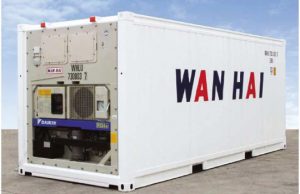
The importance of temperature control in reefer containers cannot be overstated, particularly when transporting temperature-sensitive goods. These containers play a crucial role in maintaining the integrity and quality of perishable cargo throughout its journey. Here are key points highlighting the significance of temperature control in reefer containers:
- Preservation of Perishable Goods:
Reefer containers are designed to transport a wide range of temperature-sensitive products, including pharmaceuticals, fresh produce, and certain chemicals.
Precise temperature control is essential to prevent spoilage, degradation, or compromise in the quality of these goods.
- Compliance with Product Specifications:
Many perishable products have specific temperature requirements to maintain their efficacy or freshness.
Reefer containers ensure that products comply with these specifications, meeting regulatory standards and quality expectations.
- Prevention of Cargo Losses:
Maintaining optimal temperature conditions in special reefer containers is a crucial aspect that prevents cargo losses due to spoilage or damage during transit. Special refrigerated containers are specifically designed to address the unique requirements of temperature-sensitive goods, and they play a vital role in ensuring the integrity of the cargo throughout its journey.
- Global Supply Chain Reliability:
Reefer containers contribute to the reliability of the global supply chain by enabling the transportation of goods over long distances.
Temperature control ensures that products reach their destination in the same condition as when they were loaded.
- Quality Assurance and Customer Satisfaction:
Maintaining the quality of perishable goods through precise temperature control enhances customer satisfaction.
Consistently delivering high-quality products builds trust between suppliers and consumers.
- Expanded Market Access:
Temperature-controlled transportation allows businesses to access global markets for their perishable products.
This expands economic opportunities for industries such as agriculture, pharmaceuticals, and food production.
- Minimization of Environmental Impact:
Efficient temperature control contributes to environmental sustainability by reducing the likelihood of product wastage.
Preventing spoilage and extending the shelf life of perishable goods align with eco-friendly practices.
- Safety of Pharmaceuticals and Medical Supplies:
For pharmaceutical and medical supplies, maintaining specific temperature conditions is critical for their effectiveness and safety.
Reefer containers play a vital role in ensuring the safe and secure transportation of these essential goods.
- Adaptation to Diverse Climate Conditions:
Reefer containers allow for the transportation of goods across diverse climate conditions, including hot and cold environments.
The ability to adapt to external variables ensures the reliability of the cold chain.
- Overall Economic Impact:
The efficient transportation of perishable goods contributes to economic growth by supporting industries that rely on global trade.
Reefer containers facilitate the movement of goods that drive economic activities and international commerce.
II. Components of Temperature Control Systems in Special Reefer Containers:
The effective operation of special refrigerated containers relies on sophisticated temperature control systems, comprising various components designed to regulate and monitor temperature conditions. Understanding these components is crucial for ensuring the integrity of perishable goods during transit. Here are the key components of temperature control systems in special reefer containers:
- Thermostats:
- Function: Thermostats are central to temperature control systems, serving as regulators for the internal temperature of the special reefer container.
- Operation: They continuously measure the current temperature and adjust the cooling or heating mechanisms to maintain the desired setpoint.
- Sensors:
- Function: Sensors play a pivotal role in monitoring temperature variations within the special refrigerated container.
- Placement: They are strategically positioned throughout the container to provide accurate readings and detect any deviations from the preset temperature.
- Humidity Control Systems:
- Importance: Humidity levels are critical for certain commodities, and special reefer containers are equipped with humidity control systems.
- Mechanisms: These systems include dehumidification and humidification mechanisms to maintain optimal humidity conditions for specific cargo.
- Air Circulation Systems:
- Purpose: Proper air circulation is essential for maintaining a uniform temperature throughout the special refrigerated container.
- Components: Fans and ventilation systems facilitate the distribution of air, preventing the formation of hotspots and ensuring consistent conditions.
- Heating Elements:
- Role: In addition to cooling mechanisms, special reefer containers may be equipped with heating elements.
- Application: Heating elements help maintain temperatures in colder climates, ensuring that cargo remains within the prescribed temperature range.
- Compressors:
- Function: Compressors are responsible for pressurizing and circulating the refrigerant within the cooling system.
- Efficiency: The efficiency of compressors directly impacts the cooling capacity of the special refrigerated container.
- Insulation Materials:
- Significance: Insulation materials are crucial for preventing external temperature influences from affecting the cargo.
- Materials: High-quality insulation materials, such as polyurethane foam, are used to minimize heat exchange between the special reefer container’s interior and exterior.
- Temperature Recording Devices:
- Recording: Special refrigerated containers are equipped with temperature recording devices.
- Data Logging: These devices maintain detailed data logs of temperature conditions throughout the journey, providing valuable information for quality assurance and compliance purposes.
- Power Supply Systems:
- Reliability: A reliable power supply is essential for the continuous operation of temperature control systems in special refrigerated containers.
- Backup Power: Special reefer containers often have backup power sources to prevent system failures during power outages.
- Control Panels:
- Interface: Control panels serve as the interface for operators to set and monitor temperature conditions in special refrigerated containers.
- User-Friendly: User-friendly control panels enhance the ease of operation and allow for quick adjustments.
Understanding these components is crucial for the efficient and reliable transportation of temperature-sensitive goods in special reefer containers. Regular maintenance and monitoring of these components ensure that the specialized containers meet the stringent requirements for preserving the quality of perishable cargo throughout its journey.
III. Maintenance Protocols for Temperature Control Systems:
A. Regular Calibration:
Reefer container temperature control systems, including those in special reefer containers, undergo regular calibration to ensure accuracy. Calibration involves adjusting thermostats and sensors to match predefined temperature settings, ensuring precise control over the container’s internal environment.
B. Inspection of Components:
Routine inspections assess the condition of components like fans, compressors, and heating elements in both standard and special refrigerated containers. Any signs of wear or malfunction are promptly addressed to prevent system failures and guarantee the integrity of temperature-sensitive cargo.
C. Cleaning and Sanitization:
Containers, including special reefer containers, are thoroughly cleaned and sanitized between shipments to prevent cross-contamination. Maintaining a hygienic environment is crucial, especially when transporting food or pharmaceuticals, as it ensures the safety and quality of the cargo throughout its journey. Regular cleaning protocols are adhered to for both standard and specialized containers to meet the highest standards of hygiene and cargo preservation.
IV. Remote Monitoring and Telematics:
A. Real-time Tracking:
Advanced telematics enables real-time tracking of a reefer container’s location and temperature status.
Stakeholders can monitor the container’s journey remotely, enhancing transparency and accountability.
B. Alert Systems:
Automated alert systems notify operators and logistics managers of any deviations from preset temperature ranges.
Quick response to alerts minimizes the risk of cargo spoilage during transit.
C. Data Logging:
Reefer containers maintain detailed data logs of temperature and humidity conditions throughout the journey.
This data serves as a valuable resource for quality assurance and compliance purposes.
V. Best Practices for Ensuring Optimal Performance:
A. Pre-Trip Inspection:
Thorough pre-trip inspections confirm that the special reefer container is in optimal condition before loading. This includes verifying temperature settings, conducting system checks, and confirming cleanliness.
B. Training for Operators:
Operators receive comprehensive training on handling and monitoring temperature control systems. Well-trained personnel contribute to the effective operation of reefer containers.
VI. Future Trends in Reefer Container Technology:
A. Integration with IoT:
The Internet of Things (IoT) integration allows for seamless communication between reefer containers and central control systems.
IoT-enabled containers enhance efficiency and enable predictive maintenance.
B. Energy Efficiency Upgrades:
Ongoing research focuses on enhancing the energy efficiency of reefer containers to reduce environmental impact.
Innovations in insulation materials and power systems contribute to sustainability.
VII. Compliance and Regulations:
A. International Standards:
Special reefer containers adhere to international standards and regulations governing the transportation of perishable goods.
Compliance ensures the safety and quality of transported products and facilitates global trade.
B. Temperature Mapping:
Temperature mapping involves creating a comprehensive profile of temperature variations within the container.
This practice aids in identifying potential hotspots and optimizing cargo placement.
VIII. Challenges in Temperature Control:
A. External Factors:
External conditions, such as ambient temperature and weather fluctuations, pose challenges to maintaining precise control.
Advanced systems incorporate predictive algorithms to adapt to external variables.
B. Emergency Protocols:
Protocols for addressing emergencies, such as power outages or system failures, are crucial for preventing cargo losses.
Reefer containers are equipped with backup power sources and contingency plans.
IX. Future Trends and Innovations:
A. Blockchain Integration:
Exploring the potential integration of blockchain technology for enhanced traceability and transparency in temperature-sensitive shipments.
Blockchain ensures an immutable record of temperature data, providing stakeholders with real-time insights.
B. Machine Learning and Predictive Analytics:
The incorporation of machine learning algorithms for predictive analytics in temperature control systems.
Predictive capabilities enable proactive measures to address potential deviations before they impact cargo integrity.
X. Conclusion:
The maintenance and monitoring of temperature control systems in special reefer containers represent a dynamic and evolving landscape. As technology advances, regulations evolve, and global challenges persist, the industry’s commitment to excellence becomes increasingly crucial. By embracing innovation, ensuring compliance, fostering collaboration, and prioritizing sustainability, stakeholders in the cold chain ecosystem contribute not only to the integrity of transported goods but also to the broader goals of economic growth, public health, and environmental responsibility. The journey towards a more resilient and responsive temperature-controlled logistics infrastructure requires a collective effort, forward-thinking strategies, and a dedication to the highest standards of quality and safety.
CIMC Yang Zhou Base is a leading manufacturer of special reefer containers and various other standard and special logistics equipment. With years of experience in the industry, it focuses on the design, production and distribution of high-quality innovative products that meet the specific needs of customers.
If you need high-quality and innovative logistics equipment, including refrigerated containers, cold chain equipment, containerized equipment integration, modular buildings, etc., CIMC Yang Zhou Base is your best choice. Welcome inquiries from customers all over the world and look forward to the opportunity to cooperate with you.