



 EN
EN  RU
RU 
Introduct
In the intricate web of global trade, the transportation of perishable goods poses a unique set of challenges. These goods, ranging from agricultural produce to pharmaceuticals, necessitate a controlled environment to retain their quality and usability. The advent of reefer sea containers, also known as refrigerated containers, has revolutionized the logistics sector by offering a robust solution for the transport of temperature-sensitive products. This article explores the multifaceted benefits of reefer containers, underscoring their indispensability in international trade and the logistics of perishable goods.
Ensuring Optimal Temperature Control
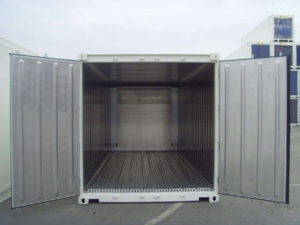
The cornerstone of reefer sea container technology is its capacity for precise temperature management. Equipped with advanced refrigeration units, these containers can maintain a constant temperature throughout the shipping process, irrespective of external weather conditions. This feature is paramount for commodities like fruits, vegetables, meat, and dairy products, whose spoilage rate is significantly reduced, thereby extending their market shelf life. This temperature regulation capability is not only for food items but also for pharmaceuticals, chemicals, and other products that require stringent temperature settings for preservation.
Broadening the Spectrum of Shippable Goods
Reefer sea containers transcend the traditional boundaries of perishable goods transport. Their ability to cater to a wide array of temperature sensitivities makes them versatile assets in the shipping industry. Beyond food and pharmaceuticals, they are instrumental in the safe transport of sensitive electronics, fine arts, and exotic flora, expanding the horizons of international trade possibilities. This versatility opens new markets and opportunities for producers and exporters, facilitating the global reach of diverse products.
Enhanced Protective Measures
The benefits of reefer sea containers extend beyond temperature control; they provide a sealed, insulated environment that safeguards the cargo against external pollutants, pests, and humidity. This protection is crucial for maintaining the integrity and sanitation of the transported goods, especially in the case of organic or pharmaceutical products. By mitigating the risks of contamination and external damage, reefer containers ensure that goods arrive at their destination in pristine condition.
Facilitating Global Connectivity
Reefer sea containers are pivotal in bridging the gap between producers and consumers across continents. They enable the efficient and reliable transport of perishable goods over long distances, including intercontinental journeys, thus playing a critical role in the globalization of food supply and other markets. This global connectivity not only supports economic growth but also promotes cultural exchange and dietary diversity by making regional specialties available worldwide.
Cost-Effectiveness and Economic Viability
While the upfront cost of utilizing reefer sea containers may be higher than that of standard containers, the long-term economic benefits are substantial. By significantly reducing the risk of spoilage and extending the shelf life of perishable goods, these containers minimize financial losses and enhance the profitability of shipping temperature-sensitive products. Furthermore, the efficiency and reliability of reefer containers can lead to reduced insurance premiums and fewer claims, contributing to overall cost savings for shippers and exporters.
Adherence to Regulatory Standards
The design and operation of reefer containers are aligned with stringent international safety and quality regulations. This compliance is essential for the transportation of food and pharmaceuticals, ensuring that these goods meet the health and safety standards of their destination markets. The regulatory adherence of reefer sea containers not only protects consumers but also builds trust in the supply chain, facilitating smoother customs clearance and market access.
Technological Innovation and Sustainability
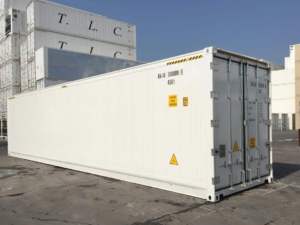
The reefer container industry is at the forefront of technological innovation, continually enhancing the efficiency, reliability, and sustainability of its solutions. Modern reefer units incorporate advanced features such as real-time temperature monitoring, controlled atmosphere technology, and energy-efficient refrigeration systems. These innovations not only improve the quality of transport but also contribute to environmental sustainability by reducing energy consumption and greenhouse gas emissions.
Leveraging Data for Improved Logistics
One of the most significant advancements in the use of reefer sea containers is the integration of data analytics and IoT (Internet of Things) technologies. These technologies enable real-time tracking and monitoring of the container’s conditions, including temperature, humidity, and location. This real-time data is invaluable for logistics companies and shippers, allowing for proactive adjustments to maintain the optimal environment for the cargo and to anticipate and mitigate potential issues before they affect the cargo. Moreover, data analytics can help optimize routing and improve overall supply chain efficiency, reducing transit times and further minimizing the risk of spoilage.
Reducing Environmental Impact
The environmental aspect of reefer container operations has become a focal point in recent years, with the industry making strides towards sustainability. Modern reefer sea containers are designed with eco-friendly refrigerants and energy-efficient cooling systems that significantly reduce the carbon footprint associated with the transport of perishable goods. Furthermore, the ability to closely monitor and adjust container environments leads to less energy waste, aligning with global efforts to combat climate change and promote sustainable practices in international trade.
Enhancing Global Food Security
The role of reefer containers in enhancing global food security cannot be overstated. By enabling the efficient and safe transport of perishable goods across great distances, reefer sea containers help to stabilize food supplies and prices in regions dependent on imports. They are instrumental in reducing food wastage in the supply chain, a crucial factor in addressing global hunger and food scarcity challenges. The technology ensures that surplus food supplies in one part of the world can be redirected to areas facing shortages, thereby contributing to a more equitable distribution of food resources globally.
Navigating Challenges and Future Outlook
Despite their numerous benefits, the deployment of reefer sea containers is not without challenges. High operational costs, technical complexities, and the need for specialized infrastructure at ports and logistics hubs are among the issues that the industry continues to address. However, the ongoing technological advancements and innovations in reefer container design and operation are poised to overcome these obstacles, further enhancing their efficiency and reliability.
The future of reefer containers in global trade looks promising, with continued growth and innovation driven by the increasing demand for fresh produce, the expansion of e-commerce, and the global distribution of vaccines and pharmaceuticals. As the world moves towards more sustainable and efficient supply chains, the role of reefer containers in facilitating this transition will be pivotal. Their capacity to transport temperature-sensitive goods in a safe, efficient, and environmentally friendly manner will continue to make them an essential component of global trade logistics.
Conclusion
The advent and evolution of reefer sea containers have had a transformative impact on global trade, particularly in the transport of perishable goods. Their ability to maintain precise temperature control, coupled with their versatility, protective measures, and cost-effectiveness, make them an invaluable asset in the logistics and transportation sector. As the world continues to grow more interconnected, the demand for efficient and reliable shipping solutions for temperature-sensitive products will only increase. The ongoing advancements in reefer container technology and their integration into the global supply chain are critical for meeting this demand, ensuring the continued success of international trade, and contributing to global economic growth and food security. In the realm of global logistics, reefer containers are not merely a technological innovation; they are a cornerstone of modern trade, enabling the seamless flow of perishable goods across the globe and fostering the interconnectedness of markets and cultures.
CIMC Yang Zhou Base is a leading manufacturer of reefer sea containers and various other standard and special logistics equipment. With years of experience in the industry, it focuses on the design, production and distribution of high-quality innovative products that meet the specific needs of customers.
If you need high-quality and innovative logistics equipment, including refrigerated containers, cold chain equipment, containerized equipment integration, modular buildings, etc., CIMC Yang Zhou Base is your best choice. Welcome inquiries from customers all over the world and look forward to the opportunity to cooperate with you.