



 EN
EN  RU
RU 
I. Introduction:
In the dynamic field of sustainability, the repurposing of waste sea containers has emerged as a forward-thinking practice, offering a plethora of applications that support eco-friendly initiatives. Personally invested in sustainable practices, I find great value in exploring the common uses and applications of discarded maritime containers. This article delves into the various ways these containers can be utilized to promote sustainability, from innovative architectural solutions to progressive approaches in waste management.
II. Transforming Spaces: Sustainable Architecture with Waste Sea Containers
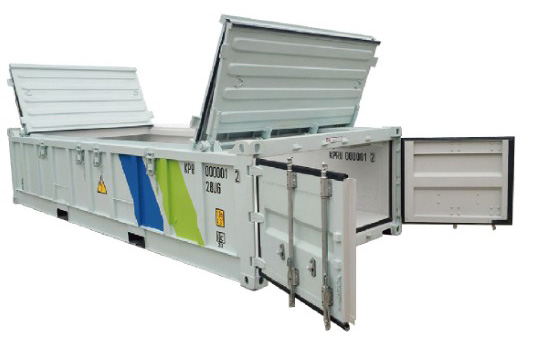
One notable application of discarded maritime containers lies in sustainable architecture. These containers, with their sturdy structure and modular design, provide an excellent foundation for creating environmentally conscious living and working spaces. As an advocate for sustainable living, I am fascinated by the creativity displayed in repurposing containers into homes, offices, and even community spaces.
The modular nature of sea containers allows for efficient stacking and arrangement, enabling architects to design unique and functional structures. From affordable housing projects to stylish office complexes, waste sea containers have become the building blocks of a sustainable architectural revolution. Exploring such projects not only inspires environmentally conscious design but also showcases the adaptability of these containers in diverse settings.
III. Green Spaces and Urban Farming: Container Gardens
In my journey towards sustainable living, I’ve come across the transformative potential of waste sea containers in fostering green spaces within urban environments. Container gardening, utilizing repurposed sea containers as planters, has gained traction as a practical solution to limited space and soil challenges in cities. The containers offer a controlled environment for cultivating herbs, vegetables, and even small trees, contributing to local food production and reducing the ecological footprint associated with traditional farming.
Container gardens provide an accessible way for individuals and communities to engage in sustainable practices, promoting a closer connection to nature in urban settings. As I explore the world of container gardening, I am fascinated by the innovative ways people are incorporating these containers into their living spaces, turning balconies and rooftops into thriving oases.
IV. Mobile and Temporary Structures: Events and Pop-Up Shops
The versatility of waste sea containers extends beyond permanent structures; they find resonance in the realm of mobile and temporary spaces. As someone with a keen interest in sustainable events, I am captivated by the use of sea containers in creating pop-up shops, art installations, and event spaces. These containers, when strategically modified, offer a portable and visually striking solution for various temporary needs.
The adaptability of discarded maritime containers makes them ideal for creating unique and memorable experiences at events. From mobile cafes to art galleries, these containers provide a sustainable alternative to traditional temporary structures. Exploring the intersection of sustainability and event planning reveals a wealth of opportunities to minimize waste and carbon footprint while delivering engaging and eco-friendly experiences.
V. Maritime Conservation: Artificial Reefs and Underwater Projects
Delving into the depths of sustainability, I am intrigued by the unconventional use of waste sea containers in marine conservation efforts. Repurposing containers into artificial reefs has become a novel approach to enhancing marine ecosystems. Submerged sea containers create habitats for marine life, fostering biodiversity and supporting the restoration of underwater environments.
This innovative application not only addresses the challenge of disposing of waste containers but also contributes to the preservation of ocean ecosystems. The concept of underwater projects involving discarded maritime containers highlights the interconnectedness of sustainable practices across different domains, from architecture to marine conservation.
VI. Sustainable Transportation: Container Homes on Wheels
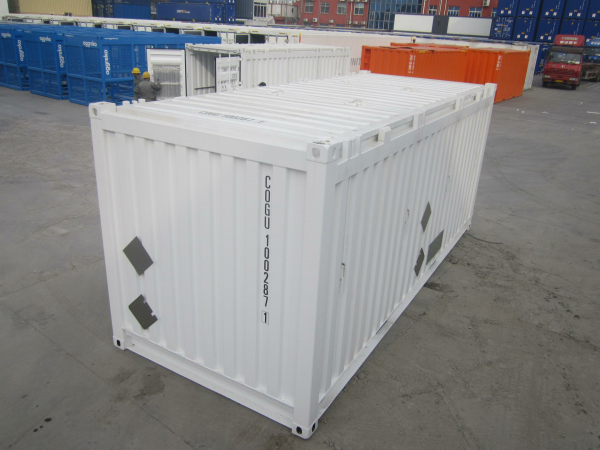
The concept of container homes on wheels reflects an ingenious application of waste sea containers in sustainable transportation. As I explore this facet of container repurposing, I am fascinated by the fusion of mobility and eco-friendly living. Container homes on wheels provide individuals with the freedom to embrace a nomadic lifestyle while minimizing their environmental impact.
These mobile homes showcase the adaptability of sea containers to unconventional living arrangements, fostering a sense of sustainability in the nomadic community. The integration of eco-friendly technologies, such as solar panels and rainwater harvesting systems, further enhances the sustainability quotient of container homes on wheels.
VII. Waste Management Innovation: Recycling and Upcycling Initiatives
Being an advocate for sustainable practices, I am particularly drawn to initiatives that address the environmental challenges posed by waste materials. In the context of waste sea containers, innovative recycling and upcycling projects have gained prominence. These initiatives aim to convert decommissioned containers into new, functional products, ranging from furniture and art installations to modular storage solutions.
Exploring the world of container recycling unveils a spectrum of possibilities, where creative minds reimagine and repurpose materials that would otherwise contribute to landfill waste. These initiatives not only reduce the environmental impact of waste sea containers but also inspire a shift towards a circular economy, where materials are continuously reused and repurposed.
VIII. Educational and Community Initiatives: Container Classrooms and Libraries
The educational sector has embraced the sustainable potential of discarded maritime containers, utilizing them to create innovative learning spaces. Container classrooms and libraries have emerged as symbols of sustainable architecture, providing durable and cost-effective solutions for educational institutions. As an advocate for education and sustainability, I am inspired by the positive impact these projects have on communities around the world.
Container classrooms address the need for accessible and eco-friendly learning environments, especially in regions facing resource constraints. The repurposing of sea containers into educational spaces not only reduces construction costs but also promotes sustainable practices within the learning ecosystem. This application reflects the broader trend of incorporating sustainability into the core of community development initiatives.
IX. Future Prospects: Technological Advancements and Circular Economy Integration
Looking ahead, the future prospects of waste sea container repurposing are intertwined with technological advancements and the integration of circular economy principles. Innovations such as smart container technologies, which monitor and optimize energy usage, ventilation, and other parameters, are poised to enhance the sustainability of container-based projects.
The circular economy model, emphasizing the continual reuse and regeneration of materials, aligns seamlessly with the ethos of repurposing discarded maritime containers. As an enthusiast in sustainable practices, I am optimistic about the role these containers will play in shaping a more sustainable and resilient future, where materials are valued for their longevity and adaptability.
X. Conclusion:
In conclusion, the exploration of the common uses and applications of waste sea containers in sustainable practices has been a journey of inspiration and discovery. From architectural marvels to ecological initiatives, these containers showcase their versatility and potential to contribute to a more sustainable world. As someone passionate about environmental stewardship, I am encouraged by the ongoing innovations and creative endeavors that harness the transformative power of them s for the betterment of our planet.
CIMC Yang Zhou Base is a leading manufacturer of waste sea container and various other standard and special logistics equipment. With years of experience in the industry, it focuses on the design, production and distribution of high-quality innovative products that meet the specific needs of customers.
If you need high-quality and innovative logistics equipment, including refrigerated containers, cold chain equipment, containerized equipment integration, modular buildings, etc., CIMC Yang Zhou Base is your best choice. Welcome inquiries from customers all over the world and look forward to the opportunity to cooperate with you.