



 EN
EN  RU
RU 
Introduction:
In the realm of power generation, the utilization of generator containers has become a common practice, providing a secure and efficient housing solution for generators. One crucial aspect that often arises in the decision-making process is the customizability of these containers to accommodate different types and sizes of generators. In this comprehensive exploration, we delve into the intricacies of genset container customization, shedding light on the key considerations and advantages associated with tailoring these containers to diverse generator specifications.
I. Understanding Generator Container Basics:
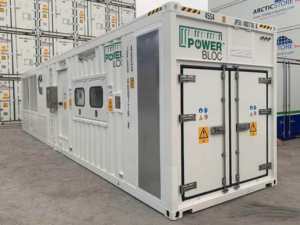
Before delving into customization details, it’s essential to grasp the fundamental characteristics of genset containers. These containers are specially designed enclosures that house generators, serving the dual purpose of protecting the equipment from external elements and mitigating sound emissions. Typically made of robust materials like steel, generator containers offer a secure environment for generators to operate effectively while minimizing their environmental impact.
II. Tailoring Dimensions for Varied Generator Sizes:
One of the primary concerns when customizing generator containers is accommodating different generator sizes. Generators come in a spectrum of dimensions, from compact units suitable for residential use to large industrial generators powering extensive facilities. A well-designed genset container should be adaptable to these variations.
Customization begins with adjusting the internal dimensions of the container to fit the specific size of the generator. This involves precise measurements to ensure a snug fit, providing not only security for the equipment but also optimizing the use of space within the container. Container manufacturers often offer a range of size options, and further customization ensures a tailored solution for each unique generator.
III. Addressing Ventilation and Cooling Requirements:
Generators, especially those used for continuous or heavy-duty operations, require efficient ventilation and cooling systems to prevent overheating. The customization of generator containers takes these requirements into account. Depending on the type and size of the generator, ventilation systems can be strategically placed and enhanced to facilitate optimal airflow.
For larger generators or those operating in challenging environmental conditions, additional cooling systems, such as advanced air circulation or even climate control features, can be integrated. Customizing the container to suit the specific cooling needs of the generator contributes to the longevity and reliable performance of the equipment.
IV. Soundproofing Solutions for Noise Control:
Noise pollution is a significant consideration, particularly in residential or urban settings. Generator containers play a crucial role in soundproofing, ensuring that the noise generated by the enclosed generator is within acceptable limits. The customization of soundproofing features is tailored to the type and size of the generator.
For smaller generators used in residential areas, soundproofing materials can be integrated into the container walls to minimize noise impact. In contrast, larger industrial generators may require more advanced soundproofing solutions, such as acoustic panels or specialized insulation. The customization process involves a detailed analysis of the generator’s noise profile and the application of appropriate soundproofing measures.
V. Ensuring Compliance with Environmental Standards:
Customization goes beyond the physical dimensions and features of the genset container; it extends to ensuring compliance with environmental standards and regulations. Different types of generators may have distinct emission control requirements, and customization allows for the integration of emission-reducing technologies.
For example, diesel generators often require exhaust after-treatment systems to meet environmental standards. Customizing the container to incorporate these systems ensures that the generator operates in an environmentally responsible manner. This level of customization not only aligns with regulatory requirements but also reflects a commitment to sustainable and eco-friendly power generation practices.
VI. Catering to Fuel Storage and Accessibility:
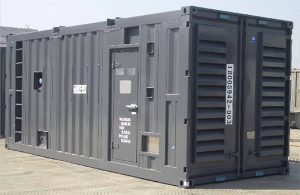
Generators rely on fuel sources such as diesel, natural gas, or propane. Customizing generator containers involves considering the type of fuel the generator uses and accommodating the necessary storage and accessibility features. For instance, a container designed for a diesel generator might include a fuel storage compartment with proper ventilation and safety measures.
Accessibility is another crucial factor. Customized containers often feature well-placed access points for refueling, maintenance, and routine inspections. The design ensures that these tasks can be performed efficiently without compromising the security or functionality of the generator.
VII. Integration of Monitoring and Control Systems:
In the era of smart technologies, the customization of generator containers extends to the integration of advanced monitoring and control systems. These systems allow for remote monitoring of the generator’s performance, fuel levels, and other critical parameters.
Customizable containers can be equipped with sensors, telematics, and communication devices that provide real-time data to operators. This level of customization enhances the overall management of the generator, enabling proactive maintenance, timely interventions, and improved operational efficiency.
VIII. Transportation Considerations:
The transportation of genset containers to various locations is a practical consideration, especially for industries or projects that require mobile power solutions. Customization in this context involves incorporating features that facilitate easy and secure transportation.
Customized generator containers may include reinforced lifting points, secure tie-downs, and compatibility with common transportation methods such as trucks, ships, or cargo planes. The design ensures that the container can be moved without compromising its structural integrity or the safety of the enclosed generator.
IX. Meeting Specific Industry Requirements:
Different industries have unique operational requirements and standards. The customization of genset containers allows manufacturers to tailor solutions to meet these specific needs. For example, generators used in the telecommunications industry may have different customization requirements compared to those used in data centers or healthcare facilities.
Customization can involve the integration of industry-specific safety features, compliance with specialized regulations, or adaptations to fit within existing infrastructure. This ensures that the generator container is not just a generic solution but a precisely crafted asset that aligns with the demands of its intended industry.
X. Future-Proofing through Modular Design:
A forward-looking aspect of customization is the incorporation of modular design principles. A generator container with a modular design allows for future adaptations and upgrades. As technology evolves or as the generator undergoes changes, a modular container can be easily modified without the need for extensive reconstruction.
This forward-thinking approach to customization contributes to the longevity and sustainability of the genset container. It ensures that investments made in customization today continue to provide value as the generator technology and operational requirements evolve.
Conclusion:
The customizability of generator containers stands as a testament to the versatility and adaptability of these solutions in the realm of power generation. Tailoring these containers to accommodate different types and sizes of generators involves a meticulous process that considers various factors, from physical dimensions to environmental impact and industry-specific requirements. As technology advances and power generation needs evolve, the customization of genset containers becomes a strategic investment, offering not only immediate benefits but also future-proofing power infrastructure for the challenges that lie ahead.
CIMC Yang Zhou Base is a leading manufacturer of generator container and various other standard and special logistics equipment. With years of experience in the industry, it focuses on the design, production and distribution of high-quality innovative products that meet the specific needs of customers.
If you need high-quality and innovative logistics equipment, including refrigerated containers, cold chain equipment, containerized equipment integration, modular buildings, etc., CIMC Yang Zhou Base is your best choice. Welcome inquiries from customers all over the world and look forward to the opportunity to cooperate with you.