


 EN
EN  RU
RU 
I. Introduction to PV (Photovoltaic) Containers and Their Role in Renewable Energy Projects
PV containers, also known as photovoltaic containers, are innovative solutions designed to integrate solar energy generation into modular and transportable units.
These containers are equipped with solar panels, energy storage systems, and necessary electrical components, making them self-sufficient units for generating and storing solar energy.
They can be deployed quickly and efficiently in various locations, providing a versatile and scalable solution for renewable energy projects.
Their mobility and ease of installation make them ideal for remote areas, disaster relief efforts, and temporary power needs, contributing to the broader adoption of clean energy technologies.
II. What are PV Containers?
Definition and Basic Components of PV Containers
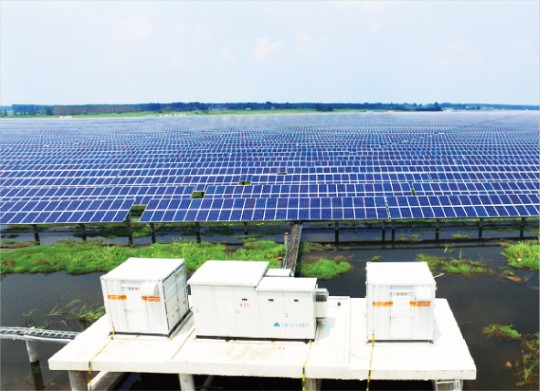
PV (Photovoltaic) containers are innovative shipping containers equipped with solar panels to generate electricity.
They combine the functionalities of traditional shipping containers with renewable energy systems, making them self-sufficient power sources.
The basic components include:
- Solar panels mounted on the container’s roof or sides to capture sunlight and convert it into electrical energy.
- An inverter to convert the generated DC (direct current) electricity into AC (alternating current) electricity, which is usable by most appliances and systems.
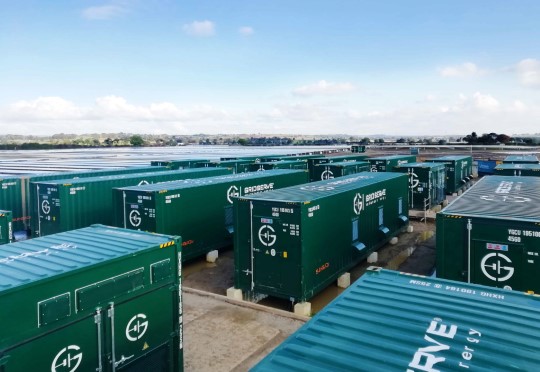
- Batteries or other energy storage systems to store the generated electricity for use during non-sunny periods or at night.
- Charge controllers to regulate the flow of electricity and prevent overcharging or discharging of batteries.
Explanation of How PV Containers Integrate Photovoltaic Systems into Shipping Containers
- Photovoltaic systems are integrated into the structure of shipping containers without compromising their primary function of storage and transport.
- Solar panels are securely mounted on the container’s surface, often utilizing the large, flat roof space for optimal sunlight exposure.
- Inside the container, electrical components such as inverters, batteries, and charge controllers are installed in designated compartments, ensuring efficient energy management and safe storage.
- The container’s structure is modified minimally to accommodate wiring and other electrical components, maintaining its integrity and durability.
- PV containers can be connected to external systems, providing electricity for remote locations, emergency relief operations, and off-grid applications.
- They offer a sustainable solution for powering various applications, reducing reliance on traditional fuel sources and contributing to environmental conservation efforts.
III. Portability and Flexibility: PV Containers
PV containers offer significant advantages in terms of portability and flexibility, making them an ideal choice for various renewable energy projects.
Easy Transportation and Deployment
- PV containers are designed for easy transportation, leveraging the standard dimensions of shipping containers.
- They can be easily transported to remote or off-grid locations using existing logistics infrastructure.
- Deployment is straightforward, with minimal site preparation needed, allowing for rapid setup.
Flexibility in Installation and Scalability
- PV containers provide flexible installation options, suitable for a wide range of environments, from urban settings to isolated rural areas.
- The scalability of PV containers allows projects to start small and expand as needed, adapting to growing energy demands.
- Modular design enables customizable configurations, making it easy to integrate additional containers or energy storage systems.
The portability and flexibility of PV containers enable efficient and versatile renewable energy solutions, particularly in challenging and diverse environments.
IV. Cost-Effectiveness of PV Containers
A. Comparison of Costs Between Traditional Solar Installations and PV Containers
1. Initial Installation Costs
- Traditional solar installations often involve significant costs due to the need for site preparation, mounting systems, and extensive labor.
- PV containers, being pre-fabricated and modular, typically incur lower initial installation costs as they require minimal site preparation and can be quickly deployed.
2. Infrastructure and Land Use
- Traditional solar farms necessitate large tracts of land, which can be costly and may require significant investment in land acquisition.
- They maximize space utilization by being stackable and transportable, reducing the need for large, contiguous plots of land and lowering associated costs.
3. Installation Time
- Traditional solar installations can be time-consuming, leading to higher labor costs and longer project timelines.
- They offer rapid deployment capabilities, minimizing labor costs and allowing for quicker return on investment.
B. Long-Term Financial Benefits
1. Reduced Energy Costs
- They provide a reliable source of renewable energy, significantly lowering electricity bills for businesses and communities.
- Over time, the savings on energy costs can offset the initial investment, resulting in substantial financial benefits.
2. Maintenance Expenses
- Traditional solar installations may require frequent maintenance due to exposure to environmental elements and potential damage to individual panels.
- PV containers, with their robust and secure design, often experience lower maintenance needs, leading to reduced ongoing expenses.
3. Durability and Longevity
- They are built to withstand harsh conditions, extending their operational lifespan compared to traditional installations.
- The longevity of it contributes to long-term cost savings by reducing the frequency and cost of replacements.
C. Incentives and Subsidies for PV Container Projects
1. Government Incentives
- Many governments offer financial incentives, tax credits, and grants to promote the adoption of renewable energy technologies, including PV containers.
- These incentives can significantly reduce the upfront costs and improve the overall return on investment for PV container projects.
2. Subsidies for Renewable Energy
- Subsidies provided by governments or international organizations can further reduce the financial burden of implementing PV container systems.
- These subsidies are designed to encourage the transition to renewable energy sources and support sustainable development goals.
3. Financing Options
- Various financing options, such as low-interest loans and leasing programs, are available to support the adoption of it.
- These options make it easier for businesses and communities to invest in PV container projects without the need for substantial upfront capital.
By understanding the cost-effectiveness of it, businesses and communities can make informed decisions that not only support sustainable energy practices but also provide significant financial benefits in the long run.
V. Rapid Deployment and Setup
Time Efficiency in Deploying PV Containers Compared to Conventional Solar Systems
- Speed of Installation: They can be deployed much faster than traditional solar systems. This is due to their modular design, which allows for quick assembly and minimal site preparation.
- Reduced Downtime: The quick setup process minimizes downtime, allowing businesses and organizations to start benefiting from solar power almost immediately.
Pre-Assembled and Pre-Wired Features That Simplify Installation
- Plug-and-Play Design: They are often pre-assembled and pre-wired, meaning that the majority of the installation work is done before the container even arrives on-site. This plug-and-play design significantly reduces the complexity and time required for setup.
- Minimal Technical Expertise Required: Because of the pre-assembled nature, the need for specialized technical expertise on-site is greatly reduced, making it easier for non-experts to set up the system.
Benefits in Emergency or Disaster Relief Scenarios
- Immediate Power Supply: In emergency or disaster relief scenarios, having a reliable power source quickly is crucial. They can be deployed rapidly to provide immediate power for critical needs such as medical facilities, communication systems, and shelters.
- Mobility and Flexibility: The portability of PV containers allows them to be transported to remote or affected areas with ease, ensuring that even hard-to-reach locations can benefit from solar energy.
- Self-Sufficiency: In disaster-stricken areas where infrastructure may be damaged, they provide a self-sufficient power solution that does not rely on the grid, making them an ideal choice for disaster response efforts.
VI. Conclusion
In summary, PV containers represent a transformative solution in the renewable energy landscape, offering significant advantages in terms of portability, flexibility, cost-effectiveness, and rapid deployment. Their modular and pre-assembled design enables quick and efficient setup, reducing installation time and associated costs compared to traditional solar systems. This makes them ideal for a variety of applications, including remote locations, emergency relief efforts, and off-grid installations. PV containers’ robust construction and scalability further enhance their suitability for diverse environments and project sizes.
By leveraging these innovative units, businesses and communities can not only achieve substantial energy cost savings and maintenance benefits but also support broader sustainability and environmental conservation goals. As the demand for renewable energy solutions continues to grow, they provide a versatile and practical option for meeting this need efficiently and effectively.
CIMC Yang Zhou Base is a leading manufacturer of PV containers and various other standard and special logistics equipment. With years of experience in the industry, it focuses on the design, production and distribution of high-quality innovative products that meet the specific needs of customers.
If you need high-quality and innovative logistics equipment, including refrigerated containers, cold chain equipment, containerized equipment integration, modular buildings, etc., CIMC Yang Zhou Base is your best choice. Welcome inquiries from customers all over the world and look forward to the opportunity to cooperate with you.