



 EN
EN  RU
RU 
I. Introduction
Ultra-low temperature freezers are essential equipment in various industries, including healthcare, research, and biotechnology, where preserving sensitive materials at extremely low temperatures is crucial. Among these freezers, the 40 Super Freezer stands out for its reputation for maintaining exceptionally low temperatures, making it ideal for storing vaccines, biological samples, and other temperature-sensitive materials.
II. Understanding the Technology
Ultra-low temperature freezing is a process that utilizes extremely cold temperatures to freeze and preserve products. The 40 Super Freezer employs this technology to achieve temperatures as low as -70 degrees Celsius, ensuring the safe and efficient freezing of goods.
Key Principles:
- Ultra-low temperature freezing relies on the principle of rapid heat transfer. By creating a temperature differential between the product and the surrounding environment, heat is quickly removed from the product, causing it to freeze rapidly.
- This process is facilitated by the use of refrigerants, such as liquid nitrogen or carbon dioxide, which have very low boiling points and can efficiently absorb heat from the product.
Components and Design Features:
- The 40 Super Freezer is equipped with specialized components to achieve and maintain ultra-low temperatures. These include high-efficiency compressors, heat exchangers, and insulated panels.
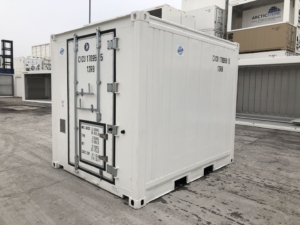
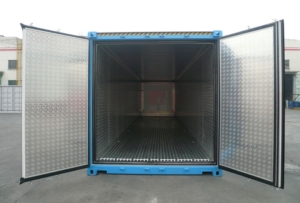
- The freezer is designed with a tight seal and insulated doors to minimize heat transfer and maintain stable temperatures.
- It also features advanced temperature control systems to monitor and adjust temperatures as needed, ensuring optimal freezing conditions.
Insulation Materials and Techniques:
- Insulation is a critical aspect of ultra-low temperature freezers, as it helps minimize heat transfer and maintain stable temperatures.
- The 40 Super Freezer uses high-quality insulation materials, such as polyurethane foam, which have low thermal conductivity to reduce heat transfer.
- Additionally, the freezer is designed with multiple layers of insulation and sealed seams to further enhance its insulating properties.
III. Refrigeration System
The refrigeration system employed in a 40 Super Freezer is a critical component responsible for achieving and maintaining ultra-low temperatures necessary for storing goods at freezing temperatures. This system consists of several key components, each playing a specific role in the cooling process.
1. Compressor: The compressor is the heart of the refrigeration system. It is responsible for compressing the refrigerant gas, raising its temperature and pressure. This high-pressure, high-temperature gas is then sent to the condenser.
2. Condenser: The condenser is a heat exchanger that removes heat from the compressed refrigerant gas, causing it to condense into a high-pressure liquid. This process releases heat into the surrounding environment, allowing the refrigerant to cool down.
3. Expansion Valve: The high-pressure liquid refrigerant then passes through the expansion valve, where it undergoes a sudden drop in pressure. This causes the refrigerant to expand rapidly, reducing its temperature and turning it into a low-pressure, low-temperature liquid-gas mixture.
4. Evaporator: The low-pressure, low-temperature refrigerant then enters the evaporator, another heat exchanger located inside the storage space of the freezer. As the refrigerant absorbs heat from the stored goods, it evaporates into a low-pressure gas, cooling the storage space.
5. Working Together: The compressor, condenser, expansion valve, and evaporator work together in a continuous cycle to maintain the desired temperature inside the freezer. The compressor continuously compresses and circulates the refrigerant, while the condenser and evaporator remove and absorb heat, respectively, to achieve and maintain ultra-low temperatures.
IV. Cryogenic Cooling
Cryogenic cooling is a cutting-edge technology employed in 40 Super Freezers to achieve ultra-low temperatures, typically below -130°C (-202°F). This method utilizes liquid nitrogen or other cryogenic agents to rapidly cool the freezer’s interior, ensuring quick and efficient freezing of products.
The process involves injecting liquid nitrogen into the freezer, where it evaporates, absorbing heat from the environment and lowering the temperature. This rapid cooling process allows for the preservation of food and other perishable items without damaging their quality.
Safety measures are paramount when working with cryogenic cooling systems. Proper ventilation is essential to prevent the buildup of nitrogen gas, which can displace oxygen and pose a suffocation risk. Additionally, protective gear such as gloves and goggles should be worn when handling cryogenic agents to prevent frostbite and eye injuries.
V. Temperature Control and Monitoring
40 Super Freezers are equipped with advanced temperature control mechanisms to ensure the preservation of sensitive materials. These mechanisms include temperature sensors, alarms, and automated controls that work together to maintain precise temperature levels.
- Temperature Sensors: The Super Freezers are fitted with highly sensitive temperature sensors that continuously monitor the internal temperature. These sensors provide real-time data to the control system, allowing for immediate adjustments to maintain the desired temperature.
- Alarms: In the event of a temperature deviation, the Super Freezers are equipped with alarms that alert operators to the issue. This early warning system helps prevent temperature fluctuations that could compromise the integrity of the materials stored inside.
- Automated Controls: The temperature controls in 40 Super Freezers are automated, allowing for precise adjustments based on the sensor data. This automation ensures that the temperature remains stable, even in fluctuating external conditions.
- Importance of Temperature Monitoring: Temperature monitoring is crucial for preserving sensitive materials, such as pharmaceuticals, vaccines, and biological samples. Maintaining the correct temperature ensures that these materials remain viable and effective, preventing costly losses due to spoilage or degradation.
VI. Applications and Industries
40 Super Freezers, also known as ultra-low temperature freezers, find applications in a diverse range of industries where the preservation of valuable samples and materials at extremely low temperatures is crucial. These freezers are designed to maintain temperatures as low as -80°C, making them ideal for storing sensitive biological samples, pharmaceuticals, and scientific research materials.
1. Biobanking:
- Importance: Biobanks store biological samples, such as blood, tissues, and DNA, for research and medical purposes. They are essential for preserving these samples at ultra-low temperatures, ensuring their integrity and viability for future use.
- Examples: Biobanks in research institutions, hospitals, and biotechnology companies rely on these freezers to maintain the quality of their samples, enabling advancements in medical research and personalized medicine.
2. Pharmaceutical Storage:
- Importance: Pharmaceuticals, especially biologics and vaccines, require storage at ultra-low temperatures to maintain their efficacy and stability. 40 Super Freezers provide a reliable solution for storing these temperature-sensitive products.
- Examples: Pharmaceutical companies, healthcare facilities, and research laboratories use these freezers to store vaccines, enzymes, and other biological products, ensuring their quality and effectiveness.
3. Scientific Research:
- Importance: Scientific research often involves the storage of biological samples, reagents, and enzymes at ultra-low temperatures. 40 Super Freezers play a critical role in preserving these materials for experimentation and analysis.
- Examples: Research laboratories in universities, government agencies, and private research institutions use these freezers for various studies, including genetics, microbiology, and drug discovery.
VII.Conclusion
The technology behind 40 Super Freezers encompasses sophisticated refrigeration systems, cryogenic cooling methods, and advanced temperature control mechanisms, all working together to achieve and maintain ultra-low temperatures necessary for preserving sensitive materials. Understanding these mechanisms is crucial for optimizing freezer performance and ensuring the safe storage of valuable samples and materials in industries such as healthcare, research, and biotechnology.
By comprehending the principles underlying ultra-low temperature freezing and the design features of 40 Super Freezers, operators can effectively maintain stable temperatures, prevent temperature fluctuations, and safeguard the integrity of stored materials. This knowledge not only enhances freezer efficiency but also contributes to the advancement of scientific research, healthcare practices, and industrial applications.
In conclusion, ultra-low temperature freezers play a pivotal role in preserving valuable samples and materials, facilitating breakthroughs in medicine, biotechnology, and scientific knowledge. Their ability to maintain precise temperatures ensures the viability and integrity of stored materials, underscoring their significance in various industries and research endeavors.
CIMC Yang Zhou Base is a leading manufacturer of 40 Super Freezers and various other standard and special logistics equipment. With years of experience in the industry, it focuses on the design, production and distribution of high-quality innovative products that meet the specific needs of customers. If you need high-quality and innovative logistics equipment, including refrigerated containers, cold chain equipment, containerized equipment integration, modular buildings, etc., CIMC Yang Zhou Base is your best choice. Welcome inquiries from customers all over the world and look forward to the opportunity to cooperate with you. |