



 EN
EN  RU
RU 
What is a cold storage container?
A cold storage container, also known as a reefer container, is a type of insulated shipping container that is used to transport temperature-sensitive goods at controlled temperatures. These containers are equipped with refrigeration units that allow them to maintain a specific temperature range, typically between -25°C to +25°C (-13°F to +77°F), regardless of the external environment. They are commonly used in industries such as food and beverage, pharmaceuticals, and chemicals, where maintaining the quality and integrity of the products is crucial.
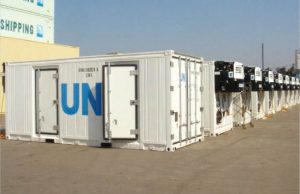
Cold Storage Container Components and Temperature Regulation
Construction and Insulation
They are constructed from steel or aluminum to provide strength and durability. They are heavily insulated to minimize heat transfer and maintain the desired temperature inside the container. The insulation material used varies but is often a combination of polyurethane foam and other materials that provide high thermal resistance.
Refrigeration System
The refrigeration system of a cold storage container consists of a compressor, condenser, evaporator, and other components that work together to regulate the temperature inside the container. The compressor compresses the refrigerant gas, raising its temperature and pressure. The hot, high-pressure gas then flows through the condenser, where it releases heat and condenses into a liquid. The liquid refrigerant then passes through an expansion valve, where it expands and evaporates, absorbing heat from the interior of the container and cooling it down. The cycle repeats to maintain the desired temperature.
Temperature Control
They are equipped with temperature control units that allow operators to set and monitor the temperature inside the container. These units can be manually adjusted or set to maintain a specific temperature range automatically. Some containers also have remote monitoring capabilities, allowing operators to monitor the temperature and other parameters remotely.
One of the primary regulations for using cold storage containers is the requirement to maintain the specified temperature range for the goods being transported. Different products have different temperature requirements, and it is essential to adhere to these guidelines to prevent spoilage and ensure product safety. Continuous monitoring of the temperature inside the container is typically required, with temperature data being recorded regularly and kept for a specified period. This data helps demonstrate compliance with temperature requirements and can be used for quality control and troubleshooting purposes.
Applications of Cold Storage Containers
They are used to transport a wide range of temperature-sensitive goods, including perishable foods, pharmaceuticals, chemicals, and biological samples. They are commonly used to transport fruits, vegetables, dairy products, meats, seafood, vaccines, and medicines.
Benefits of Using Cold Storage Containers
- Preservation of Product Quality: They help maintain the quality and freshness of perishable goods by keeping them at the optimal temperature during transportation.
- Extended Shelf Life: By controlling the temperature, they can extend the shelf life of perishable goods, reducing waste and improving profitability.
- Flexibility: They can be used to transport goods over long distances, allowing suppliers to reach new markets and customers.
- Cost-Effectiveness: They eliminate the need for specialized transportation vehicles, reducing costs associated with maintaining separate cold chain logistics.
- Regulatory Compliance: They help businesses comply with regulations and standards regarding the transportation of temperature-sensitive goods, ensuring product safety and integrity.
They play a crucial role in the transportation of temperature-sensitive goods, ensuring that they reach their destination in optimal condition. Their ability to maintain a controlled temperature range, coupled with their durability and versatility, makes them an essential asset in industries where product quality and safety are paramount.
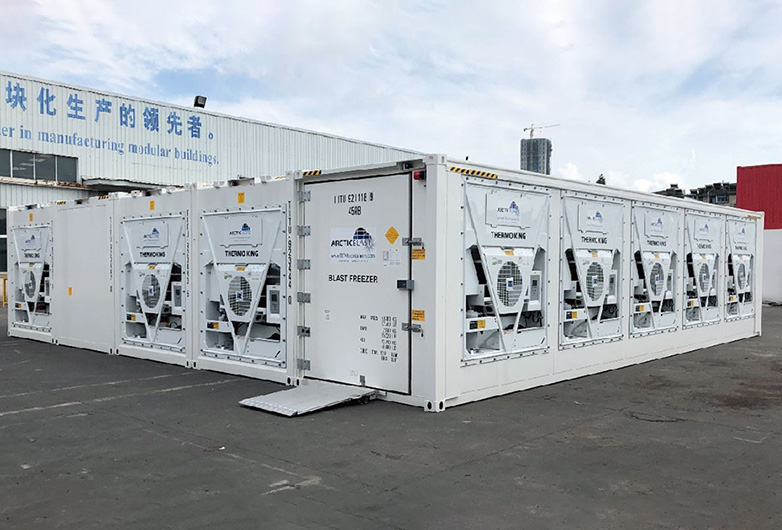
Regulations and Guidelines for Cold Storage Containers
Cold storage containers, play a vital role in the transportation and storage of perishable goods. These containers are equipped with a refrigeration unit that maintains a controlled temperature environment, ensuring that sensitive products such as food, pharmaceuticals, and chemicals remain fresh and safe during transit. Given the importance of maintaining the integrity of these goods, there are strict regulations and guidelines governing the use of it.
- Maintenance and Calibration
Regular maintenance and calibration of they are essential to ensure they are functioning correctly. This includes checking the accuracy of temperature sensors, ensuring proper insulation, and repairing any damaged components that could affect temperature control. Proper maintenance helps prevent temperature excursions and ensures the integrity of the goods being transported.
- Hygiene and Sanitation
They must be cleaned and sanitized regularly to prevent the growth of bacteria and contamination of goods. Proper hygiene and sanitation practices, including proper handling and storage practices, should be followed to maintain the quality and safety of the products. Containers that are not properly cleaned and sanitized can pose a health risk to consumers and can lead to product recalls and financial losses for businesses.
- Security and Access Control
To prevent unauthorized access and tampering, regulations may require the implementation of security measures such as locks, seals, and access control systems. These measures help protect the integrity of the goods and ensure they are not compromised during transportation. Proper security measures are especially important for high-value or sensitive products.
- Documentation and Compliance
Businesses that use they are often required to maintain detailed documentation of their operations, including temperature records, maintenance logs, and training records. This documentation helps demonstrate compliance with regulations and can be used in audits or inspections. Compliance with regulations regarding cold storage container use is essential to ensure the safe and effective transportation of perishable goods. By following these regulations, businesses can help protect the quality of their products and ensure compliance with applicable laws and standards.
- Training and Certification
Regulations may require personnel involved in the handling and operation of cold storage containers to undergo training and certification programs. This ensures that they are aware of the proper procedures for loading, unloading, and monitoring temperature control systems. Properly trained personnel are essential for maintaining the integrity of the goods and ensuring compliance with regulations.
- Emergency Preparedness
Regulations may include guidelines for emergency preparedness, such as procedures for handling temperature excursions, power outages, or other emergencies that may affect the integrity of the goods inside the container. Businesses may be required to have backup power sources or contingency plans in place to ensure the safe storage and transportation of perishable goods.
- Compliance and Audits
Regulatory bodies may conduct audits or inspections to ensure compliance with regulations regarding cold storage container use. Businesses may be required to provide documentation and records to demonstrate compliance with temperature control and monitoring requirements. Non-compliance can result in fines, penalties, or other regulatory action, so it is essential for businesses to ensure they are following the regulations and guidelines for using it.
- Environmental Considerations
Some regulations may also address environmental considerations, such as the use of environmentally friendly refrigerants in cold storage containers. Businesses may be required to use refrigerants that have a lower impact on the environment and comply with regulations regarding their disposal. Proper disposal of refrigerants helps protect the environment and ensures compliance with environmental regulations.
Conclusion
In conclusion, regulations and guidelines for using cold storage containers are essential to ensure the safe and effective transportation of perishable goods. By following these regulations, businesses can help protect the quality of their products and ensure compliance with applicable laws and standards. Proper maintenance, temperature control, hygiene, and security measures are crucial for maintaining the integrity of the goods and ensuring they reach their destination safely and in optimal condition.
CIMC Yang Zhou Base is a leading manufacturer of cold storage containers and various other standard and special logistics equipment. With years of experience in the industry, it focuses on the design, production and distribution of high-quality innovative products that meet the specific needs of customers.
If you need high-quality and innovative logistics equipment, including refrigerated containers, cold chain equipment, containerized equipment integration, modular buildings, etc., CIMC Yang Zhou Base is your best choice. Welcome inquiries from customers all over the world and look forward to the opportunity to cooperate with you.