
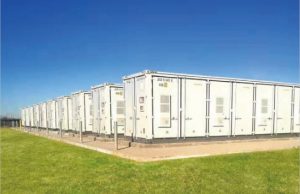
In the context of the accelerated transformation of the global energy structure, solar energy, as a clean and renewable energy, is gradually becoming a key force in solving energy crises and environmental problems. The emergence of solar containers has opened up a new path for the efficient use of solar energy and opened up a new paradigm in the energy field. It not only integrates advanced solar energy technology but also combines the convenient characteristics of containers, bringing unprecedented changes to the production, storage, and transportation of energy. It is rapidly attracting attention around the world and becoming a new favorite in the energy field.
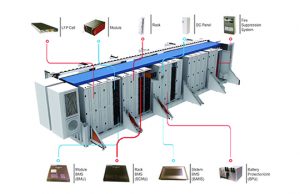
Green Pioneer: Unparalleled Environmental Benefits
Zero Carbon Emissions, Protecting the Earth’s Home
At a time when the haze of global warming is becoming increasingly heavy, carbon emissions have become a key factor restricting human sustainable development. Traditional energy generation, such as the combustion of fossil fuels such as coal and oil, will release a large amount of carbon dioxide. Relevant data show that for every ton of standard coal burned, about 2.66-2.72 tons of carbon dioxide will be produced. These greenhouse gases continue to accumulate in the atmosphere, leading to rising global temperatures, causing a series of serious problems such as melting glaciers, rising sea levels, and frequent extreme climate events.
In sharp contrast, solar containers achieve true zero carbon emissions during operation. They convert solar energy into electricity through solar panels. This process does not involve the combustion of any fossil energy, eliminating the generation of carbon dioxide from the source. Taking a medium-sized solar container power station as an example, assuming that its annual power generation can replace the same amount of traditional thermal power, it can reduce thousands of tons of carbon dioxide emissions each year, which plays an important role in alleviating the trend of global warming and is a powerful measure to protect the earth’s home.
Reduce environmental pollution and protect ecological balance
Traditional energy will cause serious pollution to the air, water, and soil during mining, transportation, and use. In terms of air pollution, harmful gases such as sulfur dioxide and nitrogen oxides produced by the combustion of fossil energy are the main culprits for environmental disasters such as acid rain and haze. These pollutants not only damage the human respiratory and cardiovascular systems, but also hurt the growth and development of plants, leading to vegetation withering and crop yield reduction.
In terms of water pollution, a large amount of wastewater will be generated during the mining and processing of traditional energy, which contains harmful substances such as heavy metals and organic matter. If these wastewaters are discharged directly without effective treatment, they will pollute surface water and groundwater, affect the living environment of aquatic organisms, and destroy the water ecological balance.
The application of solar containers can avoid the occurrence of these environmental pollution problems. It does not produce harmful gases and wastewater, and has no negative impact on the quality of air and water. At the same time, since large-scale mining and transportation are not required, it also reduces the damage to land resources, helps to protect the ecological function of the soil, maintains the balance of the ecosystem, and provides a good foundation for the protection of biodiversity.
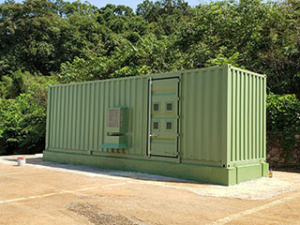
Efficient empowerment: Excellent energy performance
Efficient energy conversion
The reason why solar containers can stand out in the energy field is that their efficient energy conversion capabilities have contributed greatly. At present, solar containers on the market generally use advanced solar cell technology, which can efficiently convert solar energy into electrical energy. Taking some containers using monocrystalline silicon solar cells as an example, their photoelectric conversion efficiency can be as high as 20%-25 %. This means that under sufficient sunshine conditions, each square meter of solar panels can convert a considerable part of solar energy into usable electricity, providing stable power support for various equipment.
Technological innovation is the core driving force for improving the energy conversion efficiency of solar containers. In recent years, scientists have been constantly exploring new solar cell materials and technologies. For example, the emergence of perovskite solar cells has brought new hope for improving energy conversion efficiency. This battery has a unique crystal structure that can absorb and convert solar energy more efficiently, and its theoretical photoelectric conversion efficiency is even expected to exceed 30%. Some solar containers have begun to try to apply the stacked battery technology that combines perovskite solar cells with traditional silicon-based batteries. By optimizing the battery structure and material combination, the power generation efficiency is further improved, opening up a new path for the efficient use of energy.
Stable and reliable power supply
The stable and reliable power supply is a key requirement for energy applications, and solar containers perform well in this regard. It is equipped with an advanced energy storage system, usually using high-performance lithium-ion batteries or lead-acid batteries, which can store excess electricity when there is sufficient solar energy, so that the stored electricity can be released at night, on cloudy days, oron other days with insufficient light, ensuring a continuous supply of electricity.
Solar containers play an important role in communication base stations in remote areas. These areas are often far away from traditional power grids and have difficulty with the power supply. The solar container, through its energy storage system, can provide stable power for communication base stations to ensure smooth communication. Even in the case of continuous cloudy days, the electricity stored in the energy storage system can maintain the normal operation of the base station and ensure that the transmission of information is not affected.
Compared with traditional energy supply, solar energy containers have obvious advantages. Traditional energy supply, such as thermal power generation, is easily affected by factors such as coal supply and transportation. Once there is a problem with coal supply, the power generation capacity of the power plant will be limited, resulting in an unstable power supply. Solar energy containers use solar energy, which is inexhaustible and can generate electricity continuously as long as there is sunshine. It is not restricted by external fuel supply, providing users with more stable and reliable power guarantees, especially suitable for scenarios with high requirements for power stability, such as hospitals and data centers.
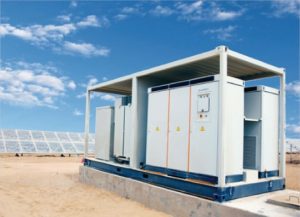
Convenient Pioneer: The perfect combination of flexibility and portability
(I) Easy transportation and deployment anywhere
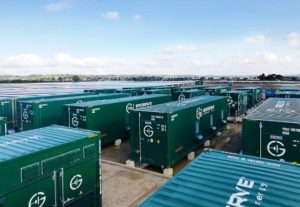
Solar containers inherit the standardized and modular design advantages of containers and have excellent transportation convenience. Its size specifications are highly consistent with the internationally accepted container standards, which enables it to seamlessly connect with various means of transportation. Whether it is through heavy trucks on the road, freight trains on the railway, or large cargo ships in the ocean, solar containers can be easily loaded and transported and quickly reach destinations around the world.
Solar containers play an irreplaceable role in the energy supply in remote areas. Take some remote villages in Africa as an example. These areas have weak infrastructure, a serious lack of grid coverage, and residents have long faced difficulties in electricity use. The emergence of solar containers has brought them light and hope. By transporting solar containers to these villages, small solar power stations can be established in a short time to provide residents with electricity for daily use, meet basic needs such as lighting and electrical appliances, and greatly improve their quality of life.
In emergency rescue scenarios, time is life, and a rapid energy supply is essential. When natural disasters such as earthquakes, floods, and hurricanes occur, traditional power facilities are often severely damaged, causing power outages in the disaster area. At this time, solar containers can respond quickly and be urgently transported to the disaster area by air or land. After arrival, they can be deployed and put into use within a few hours, providing much-needed electricity for rescue equipment, temporary medical facilities, communication base stations, etc., providing strong guarantees for the smooth implementation of rescue work, saving lives and reducing losses at critical moments.
(II) Flexible installation to meet diverse needs
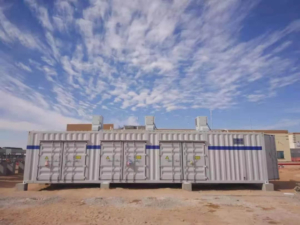
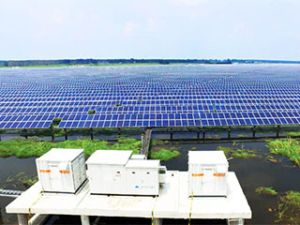
The installation of solar containers is not restricted by terrain conditions and shows strong adaptability. Whether it is in a flat plain area, a mountainous area, a hilly area with complex terrain, or a special environment such as a desert or an island, it can find a suitable installation method. Compared with traditional large-scale solar power stations, traditional power stations often require a large area of flat land, have high requirements for terrain, and are very difficult and costly to build in complex terrain. Solar containers can be adapted to local conditions and flexibly laid out according to different terrain characteristics. There is no need for large-scale land leveling and renovation projects, which greatly reduce construction costs and time.
In some mountainous tourist attractions, due to the large, undulating terrain, traditional power supply methods are difficult to implement. Solar containers can be installed in different locations according to the terrain and building distribution of the scenic area to provide electricity for the scenic area’s hotels, restaurants, amusement facilities, etc. At the same time, the solar containers can be cleverly integrated into the natural landscape of the scenic area to achieve harmonious coexistence of energy supply and environment, which not only meets the electricity demand of the scenic area but also does not damage the ecology and landscape of the scenic area.
According to the changes in electricity demand, the number and layout of solar containers can also be flexibly adjusted. When the electricity demand increases, the number of solar containers can be easily increased, connected in parallel or in series, to expand the scale of power generation and meet the growing electricity demand. On the contrary, when the electricity demand decreases, the number of containers used can be appropriately reduced to avoid energy waste. In industrial production, the electricity demand of some factories will fluctuate with the changes in production seasons and production tasks. By using solar containers, factories can flexibly adjust the scale of solar power generation systems according to actual electricity demand, achieve efficient energy use, and reduce production costs.
Economic engine: cost-effectiveness and return on investment
(I) Low operating costs, long-term economic advantages
Solar containers have shown significant cost advantages in the long-term operation primarily due to their unique energy acquisition method and low maintenance requirements. Compared with traditional power generation methods, such as thermal power generation and oil-fired power generation, solar containers do not need to continuously purchase fuel. Traditional thermal power generation relies on fossil fuels such as coal and natural gas. The prices of these fuels not only fluctuate due to the influence of market supply and demand, but also require a lot of transportation and storage costs. Taking a medium-sized thermal power station as an example, the annual fuel procurement cost alone may be as high as millions or even tens of millions of yuan. Solar containers use inexhaustible solar energy, and only require a one-time investment in equipment purchase and installation costs. There is almost no fuel cost expenditure in subsequent operations, which saves users a lot of money.
In terms of maintenance, solar containers also have obvious advantages. The structure of the solar power generation system inside is relatively simple, and the main components, such as solar panels and inverters, have stable performance and d low failure rate under normal use. Generally speaking, the service life of solar panels can reach 25-30 years. During this period, only regular cleaning and simple inspection, and maintenance are required, and the annual maintenance cost is relatively low. In contrast, traditional power generation equipment, such as fuel generators, requires regular replacement of oil, filters, spark plugs, gaskets, and other parts, which is cumbersome and has high maintenance costs. According to statistics, the annual maintenance cost of a medium-power fuel generator may be around tens of thousands of yuan, while the annual maintenance cost of a solar container with the same power generation capacity may be only a fraction of that or even lower. This low operating cost feature enables solar containers to bring stable economic benefits to users during long-term use, making them an ideal choice for many companies and projects to reduce energy costs.
(II) Considerable return on investment
Although the initial investment of solar containers is relatively high, including the purchase of solar power generation equipment, the modification, transportation, and installation of containers, in the long run, its return on investment is quite considerable. With the continuous advancement of solar technology and the intensification of market competition, the cost of solar power generation equipment has gradually decreased, which has led to a gradual decline in the overall investment cost of solar containers. Some advanced solar container manufacturers have effectively reduced product prices and improved the cost-effectiveness of products by optimizing production processes and large-scale production.
To encourage the development of renewable energy, many countries and regions have introduced a series of government subsidies and policy support measures, which have further improved the return on investment of solar containers. In some European countries, the government will provide on-grid electricity price subsidies for solar power generation projects; that is, when solar power generation companies connect excess electricity to the grid, they can obtain a subsidy income higher than the market electricity price. This enables the operators of solar containers to not only meet their electricity needs through self-generation, but also sell the remaining electricity to the grid to obtain additional economic benefits. Some regions also give solar projects tax incentives, such as reduction and exemption of corporate income tax and value-added tax, which reduces the operating costs of the project and increases the return on investment.
Multiple applications: wide range of field applicability
(I) Energy light in remote areas
On the vast surface of the earth, there are still many remote areas facing the dilemma of energy shortage. These areas are often geographically remote and far away from the coverage of traditional power grids, making power supply a bottleneck restricting local development. The emergence of solar containers is like a ray of dawn, illuminating the development path of these remote areas.
In some villages on the edge of the desert in Africa, residents have long lived in an environment of power shortage. It is dark at night, and it is difficult to meet the basic electricity needs of life, let alone develop production and improve the quality of life. With the introduction of solar containers, this situation has been greatly improved. Solar containers provide these villages with a stable power supply. The lights in the residents’ homes are on, and electrical appliances such as televisions and refrigerators can be used normally, making life more convenient and colorful. In terms of agricultural irrigation, irrigation equipment driven by solar containers can extract groundwater to farmland, solve the irrigation problem of crops, increase crop yields, and inject new vitality into local agricultural development. Some small handicraft processing workshops have also been able to develop because of the stable power supply, increasing the income source of residents and promoting the development of the local economy.
(II) Energy backing for emergency rescue
In emergencies such as natural disasters, the interruption of the power supply often brings great difficulties to rescue work. Solar containers, with their rapid deployment and stable power supply, have become the energy backing for emergency rescue, providing key support for the smooth implementation of rescue operations.
When disasters such as earthquakes and floods occur, the power facilities in the disaster area are usually severely damaged, causing the rescue site to fall into darkness and communication interruption. At this time, solar containers can be quickly transported to the disaster area by air or land. After arriving, rescuers can complete the installation and commissioning of solar containers in a short time and put them into use quickly. Solar containers provide power for lighting equipment, medical equipment, communication base stations, etc., at the rescue site, ensuring that rescue work is carried out in a bright and orderly environment. In medical rescue, the power provided by solar containers ensures the normal operation of emergency equipment, such as defibrillators and ventilators, and buys precious time to save the lives of the wounded. After the communication base station has a power supply, it can restore communication with the outside world, facilitate the timely transmission of the situation and rescue needs of the disaster area, coordinate rescue forces from all parties, improve rescue efficiency, and bring hope of survival to the affected people.
(III) Green power for commerce and industry
In commercial facilities and industrial sites, solar containers also play an important role and have become a powerful tool to promote green development and reduce operating costs.
In some commercial plazas, solar containers provide power for lighting systems, air conditioning systems, escalators, and other equipment in the plaza. During the day, solar containers convert solar energy into electrical energy, part of which is used immediately by commercial facilities, and the other part is stored for use at night or on cloudy days. This not only meets the power needs of commercial facilities, but also reduces dependence on traditional power grids and reduces electricity costs. At the same time, the use of solar containers also reflects the environmental protection concept of commercial plazas, enhances the social image of enterprises, and attracts more environmentally friendly consumers.
In the industrial field, the production process of many factories consumes a lot of electricity. The application of solar containers provides factories with a green and sustainable power solution. Some electronic manufacturing factories have met the power needs of some production equipment by installing solar container power generation systems. In the peak production season, when the electricity demand is high, solar containers and traditional power grids work together to ensure the smooth progress of production; in the off-season, the excess electricity generated by solar containers can also be incorporated into the power grid to obtain certain economic benefits. This not only reduces the energy cost of the factory but also helps to reduce carbon emissions, promote the transformation of industrial production to a green and low-carbon direction, and achieve a win-win situation of economic and environmental benefits.
CIMC TLC|RYC|XLC: Innovating Containers for a Sustainable Future
Today, as the world actively seeks sustainable energy solutions, solar containers are undoubtedly an ideal choice worthy of attention and adoption by all industries and consumers. Whether it is a company, a government agency, or an individual, they can take an important step in the green energy transformation by introducing solar containers. Let us work together and actively embrace the green energy innovation of solar containers, contribute our strength to building a cleaner, more efficient, and sustainable future, and jointly create a beautiful home with blue sky, white clouds, green waste, and green mountains.
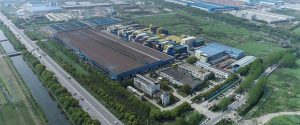
CIMC TLC|RYC|XLC is a leading manufacturer of solar energy containers and various other standard and special logistics equipment. With years of experience in the industry, it focuses on the design, production, and distribution of high-quality innovative products that meet the specific needs of customers.
If you need high-quality and innovative logistics equipment, including refrigerated containers, cold chain equipment, containerized equipment integration, modular buildings, etc., CIMC TLC|RYC|XLC is your best choice. We welcome inquiries from customers all over the world and look forward to the opportunity to cooperate with you.