



 EN
EN  RU
RU 
Abstract
Selecting the right container for freezing is crucial for ensuring food safety, maintaining product quality, and preserving the container’s structural integrity during freezing and ultra-low temperature storage.
According to research published by the U.S. Food and Drug Administration in the 2023 Food Safety Guidelines, containers used for freezing must be able to withstand thermal contraction, prevent contamination, and maintain an airtight seal to avoid freezer burn.
This article provides an in-depth analysis of the types of containers that can be frozen, examining the materials used, their performance characteristics, industrial applications, safety standards, and future innovations.
Introduction: Why Container Selection Matters in Freezing?
The choice of a frozen container is about far more than simple storage; it directly affects food safety and preservation quality, as well as operational efficiency, in both household and industrial settings. The freezing process subjects materials to extreme conditions, including rapid temperature drops, moisture crystallisation, and structural stress. Containers not designed for these conditions may crack, deform, or allow air infiltration, which can lead to contamination or freezer burn.
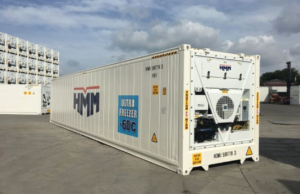
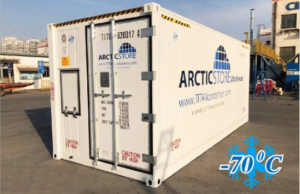
In modern cold-chain logistics and food processing, the importance of specialised systems such as the Super Freezer Container is growing. Engineered to handle ultra-low temperatures, often below -40°C, these containers ensure the preservation of sensitive products such as seafood, pharmaceuticals, and biological materials.
Knowing which containers are safe to freeze and understanding the reasons behind it is essential for making informed decisions that balance performance, cost, and sustainability.
Key Requirements for a Freezable Container
Before evaluating specific materials, it is important to understand the fundamental requirements that define a suitable frozen container.
- Thermal resistance:
Containers must be able to withstand rapid temperature changes without cracking or losing their structural integrity.
- Airtight sealing:
Preventing air exposure is critical to avoiding freezer burn and maintaining product quality.
- Chemical stability:
Materials must not leach harmful substances when exposed to low temperatures.
- Flexibility and impact resistance
Frozen contents expand, so containers must be able to accommodate this without breaking.
Common Materials Used in Frozen Containers
The performance of different materials varies under freezing conditions.
Plastic containers (polypropylene and HDPE)
Plastic containers are one of the most widely used options thanks to their flexibility, light weight, and resistance to cracking at low temperatures. High-quality plastics, such as polypropylene (PP) and high-density polyethylene (HDPE), are designed specifically for freezing applications.
Glass containers
Glass offers excellent chemical stability and does not absorb odours or stains. However, if not designed for freezing, it is prone to cracking, especially when filled.
Stainless steel containers
Stainless steel is highly durable and resistant to temperature changes, making it suitable for industrial applications. However, it is opaque and can be heavier than other options.
Silicone containers
Silicone is flexible and can withstand extreme temperatures, making it ideal for both freezing and reheating.
Material | Temperature Resistance | Flexibility | Durability | Best Use |
Polypropylene | High | High | Medium | Household food storage |
Glass | Medium | Low | High | Premium storage |
| Stainless Steel | Very High | Low | Very High | Industrial use |
| Silicone | Very High | Very High | High | Versatile applications |
What Is a Super Freezer Container?
A Super Freezer Container is a specialized storage unit designed for ultra-low temperature environments, often used in industrial and commercial settings. These containers are engineered with advanced insulation materials, reinforced structures, and precise temperature control systems.
Unlike standard containers, Super Freezer Containers are capable of maintaining stable conditions for extended periods, making them essential for cold-chain logistics and high-value product storage.
They are commonly used in:
- Seafood and meat processing
- Pharmaceutical storage
- Biotechnology applications
- Global food transportation
Household vs Industrial Frozen Containers
Category | Household Containers | Super Freezer Containers |
Temperature Range | -18°C to -25°C | -40°C and below |
Material Complexity | Simple plastics/glass | Advanced composites |
| Cost | Low | High |
| Application | Food storage | Industrial logistics |
This comparison highlights the differences in design and functionality between everyday containers and specialized industrial solutions.
Best Practices for Freezing Containers
Using a frozen container (including standard freezer-safe containers and industrial super freezer containers) correctly is essential to ensure product safety, storage efficiency, and material integrity.
Choose the Right Container Material
Food-grade plastics (PP, HDPE): Lightweight, impact-resistant, and suitable for most freezing applications
Stainless steel containers: Durable and ideal for industrial or long-term storage
Glass containers (tempered): Suitable for low-temperature storage but must be thermal-shock resistant
Avoid materials that become brittle at low temperatures.
Leave Expansion Space
Liquids expand when frozen (up to ~9%)
Always leave headspace (10–20%) to prevent cracking or deformation
Ensure Proper Sealing
Use airtight lids or vacuum sealing
Prevents freezer burn, moisture loss, and contamination
Pre-Cooling and Temperature Control
Pre-cool products before placing them into the freezer
Maintain consistent temperatures (e.g., -18°C or lower for food; lower for industrial use)
Optimize Container Size and Shape
Use portion-sized containers for faster freezing and thawing
Flat or stackable designs improve space utilization and airflow
Labeling and Inventory Management
Label with date, product type, and batch number
Essential for FIFO (First In, First Out) inventory systems
Industrial Considerations (Super Freezer Containers)
Ensure compatibility with blast freezers or ultra-low temperature systems
Use containers with high thermal conductivity and structural strength
Integrate with automated storage and logistics systems
Advantages of Using Proper Frozen Containers
Using the right type of container for freezing is essential for maintaining product quality and safety, as well as ensuring operational efficiency, in areas such as cold chain logistics, food processing, pharmaceuticals, and industrial applications. Selecting the right container directly impacts storage performance, cost control, and regulatory compliance.
Preserving product quality and integrity
High-quality frozen containers are designed to maintain stable low-temperature environments, preventing:
- Freezer burn and moisture loss
- Texture and flavour degradation (in food applications)
- Chemical or biological instability (in pharmaceuticals)
This ensures that products retain their original properties, freshness, and effectiveness throughout storage and transportation.
Enhances food safety and compliance
Proper frozen containers, especially those made from certified, food-grade materials, help to:
- Prevent contamination and cross-contact
- Meet international food safety standards (FDA, HACCP, etc.)
- Maintain hygienic storage conditions
This is critical for industries where regulatory compliance and traceability are mandatory.
Improves thermal efficiency
Well-designed containers feature:
- Advanced insulation properties
- Airtight sealing systems
- Optimised shapes for airflow
These factors contribute to:
- Faster freezing times
- Reduced energy consumption
- Stable temperature control
This results in lower operational costs and improved cold chain performance.
Increased durability and reusability
Industrial-grade frozen containers are made from:
- Impact-resistant materials (e.g., HDPE and stainless steel);
- Resistance to low-temperature brittleness.
Benefits include:
- Long service life
- Reduced replacement frequency
- Lower total cost of ownership
Optimised storage and logistics efficiency
Properly designed frozen containers are built for:
- Stackability and modular storage
- Space optimisation in freezers and transport systems
- Compatibility with automated handling systems
This improves warehouse efficiency and logistics management, especially in large-scale operations.
Supports inventory management and traceability
Many frozen containers support:
- Labeling and coding systems (e.g., barcode, RFID)
- Batch tracking and FIFO inventory systems
- Enhanced traceability, quality control, and operational transparency
Reduces waste and product loss
By preventing damage, contamination, and spoilage, proper frozen containers:
- Minimise product loss
- Improve yield and profitability
- Reduce environmental waste
Versatility across industries
Frozen containers are widely applicable in:
- Food and beverage industry (frozen foods, seafood, meat)
- Pharmaceutical and biotech sectors (vaccines, biologics)
- Chemical and industrial materials storage
They offer flexible solutions for diverse, temperature-sensitive applications.
Key takeaways:
- Proper frozen containers ensure product quality, safety, and compliance.
- They enhance thermal efficiency, durability, and logistics performance.
- They play a critical role in reducing waste and improving operational efficiency.
Advantage | Description | Impact |
Food Preservation | Maintains quality | Reduces waste |
Safety | Prevents contamination | Protects health |
| Efficiency | Optimizes storage | Saves space |
| Durability | Long-lasting use | Cost-effective |
Common Mistakes to Avoid
Even with high-quality frozen containers, improper use can lead to product loss, contamination, and reduced efficiency.
- Overfilling Containers
Causes deformation, leakage, or breakage during freezing
Reduces freezing efficiency
- Using Non-Freezer-Safe Materials
Low-quality plastics may become brittle and crack
Non-tempered glass may shatter under thermal stress
- Poor Sealing
Leads to freezer burn and dehydration
Increases risk of odor transfer and contamination
- Freezing Hot or Warm Contents
Raises freezer temperature
Causes uneven freezing and potential spoilage
- Ignoring Temperature Fluctuations
Frequent opening of freezers leads to temperature instability
Impacts product quality and shelf life
- Lack of Proper Labeling
Leads to expired or unidentified products
Causes inefficiencies in inventory management
- Improper Stacking and Storage
Overloading can block airflow
Uneven freezing and reduced system efficiency
Sustainability and Environmental Impact
As global cold chain logistics and frozen storage demand continue to grow, the environmental footprint of frozen containers has become a critical concern. Manufacturers and end-users are increasingly focusing on material sustainability, energy efficiency, and lifecycle management.
- Sustainable Material Selection
Recyclable plastics (PP, HDPE) are widely used due to their durability and reusability.
Stainless steel containers offer long service life and full recyclability, reducing long-term waste.
Adoption of bio-based and biodegradable materials is emerging for certain applications, especially in food packaging.
- Energy Consumption and Carbon Footprint
Frozen containers rely on cold chain systems, which are energy-intensive.
Improved insulation materials (e.g., vacuum insulation panels, advanced foams) help reduce energy loss and power consumption.
Integration with energy-efficient refrigeration systems lowers overall carbon emissions.
- Reusability and Lifecycle Management
Durable containers designed for multiple-use cycles significantly reduce single-use waste.
Implementation of closed-loop logistics systems enhances reuse and minimizes environmental impact.
Lifecycle assessments (LCA) are increasingly used to evaluate total environmental impact.
- Waste Reduction and Packaging Optimization
Stackable and modular designs improve transport efficiency and reduce packaging waste.
Lightweight materials reduce fuel consumption during transportation.
- Environmental Challenges
Plastic-based containers contribute to microplastic pollution if not properly managed.
High energy demand in ultra-low temperature storage increases the carbon footprint.
Solution direction:
- Development of recyclable and eco-friendly materials
- Optimization of cold chain efficiency
- Adoption of renewable energy sources
Future Trends (2026–2030)
The frozen container industry is evolving rapidly, driven by sustainability goals, digital transformation, and global logistics demands.
- Eco-Friendly and Advanced Materials
Increased use of bio-based polymers and recyclable composites
Development of high-performance insulation materials with lower environmental impact
- Smart and Connected Containers
Integration of IoT sensors for real-time monitoring of temperature, humidity, and location
Data-driven optimization of cold chain logistics
Enhanced traceability and quality control
- Energy-Efficient Cold Chain Systems
Adoption of low-energy refrigeration technologies
Use of renewable energy (solar-powered cold storage, green electricity)
Improved thermal management to reduce energy consumption
- Automation and Logistics Optimization
Integration with automated warehouses and robotic handling systems
Standardized container sizes for efficient global logistics
AI-driven route optimization to reduce emissions
- Expansion in High-Growth Sectors
Growth in frozen food, pharmaceuticals, and biotechnology sectors
Increased demand for ultra-low temperature containers (e.g., vaccine and biologics transport)
- Circular Economy and Recycling Systems
Development of closed-loop recycling programs for container materials
Increased focus on design for disassembly and recyclability
FAQ Section
Q1: What containers are safe for freezing?
Plastic (PP, HDPE), silicone, and certain glass containers designed for freezing are safe.
Q2: Can all plastic containers be frozen?
No, only those labeled freezer-safe should be used.
Q3: What is a Super Freezer Container?
It is an industrial container designed for ultra-low temperature storage.
Q4: Why do containers crack in the freezer?
Due to thermal stress and expansion of contents.
Q5: Is glass safe for freezing?
Yes, but only if it is specifically designed for freezing and not overfilled.
Conclusion
Choosing the right frozen container is essential for ensuring safety, efficiency, and long-term performance in both household and industrial applications. CIMC TLC | RYC | XLC is a leading manufacturer of frozen containers. From flexible plastics and durable metals to advanced Super Freezer Container systems, each option offers unique advantages tailored to specific needs.
As technology advances and sustainability becomes a priority, the development of smarter, more efficient, and environmentally friendly containers will continue to transform the freezing and cold-chain industries.
Understanding material properties, usage practices, and emerging trends allows users to make informed decisions that optimize performance and protect valuable content.