



 EN
EN  RU
RU 
What Types of Goods Are Typically Transported in Bulk Sea Containers?
Bulk sea containers, also known as shipping containers, are widely used for transporting a variety of goods across the world’s oceans. These containers are designed to safely store and transport goods of all kinds, ranging from raw materials to finished products. In this article, we will explore the types of goods that are typically transported in it, highlighting the diverse range of industries and products that rely on container shipping for their transportation needs.
- Consumer Goods
One of the most common types of goods transported in bulk sea containers is consumer goods. These include items such as electronics, clothing, furniture, and household appliances. Consumer goods are often shipped in large quantities from manufacturing centers in countries like China and India to markets around the world. The use of it allows retailers to stock their shelves with a wide variety of products, helping to meet consumer demand and keep prices competitive.
- Industrial Materials
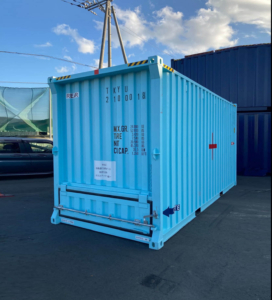
They are also used to transport a variety of industrial materials, including metals, minerals, and chemicals. These materials are typically shipped in large quantities from mining and manufacturing sites to processing plants or distribution centers. Examples of industrial materials transported in bulk sea containers include iron ore, coal, copper, and petroleum products. The use of container shipping for these materials helps to streamline the supply chain and reduce transportation costs.
- Agricultural Products
Agricultural products are another common type of goods transported in bulk sea containers. These products include grains, fruits, vegetables, and livestock. Agricultural products are often shipped in bulk containers from farming regions to processing plants or distribution centers. The use of bulk sea containers for agricultural products helps to preserve the quality of the products during transit and ensures that they reach their destination promptly.
- Machinery and Equipment
Machinery and equipment are frequently transported in bulk sea containers due to their size and weight. This includes items such as construction equipment, industrial machinery, and vehicles. Shipping machinery and equipment in bulk containers helps to protect them from damage during transit and allows for more efficient loading and unloading at ports. The use of it for machinery and equipment transportation is essential for industries such as construction, mining, and manufacturing.
- Hazardous Materials
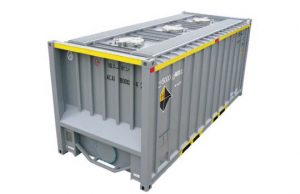
Hazardous materials are also transported in bulk sea containers, but they require special handling and compliance with strict regulations. These materials include chemicals, radioactive materials, and flammable liquids. Specialized containers and handling procedures are used to ensure the safe transport of hazardous materials by sea. The use of it for hazardous materials transportation helps to protect the environment and ensure the safety of the crew and cargo.
- Perishable Goods
Perishable goods, such as fresh produce, dairy products, and frozen foods, are often transported in bulk sea containers equipped with refrigeration units. These containers, known as reefer containers, help to maintain the quality and freshness of perishable goods during transit. Reefer containers are essential for industries such as agriculture and food processing, where maintaining the cold chain is critical to preserving the quality of the products.
- Finished Products
Finished products, including automobiles, electronics, and machinery, are often transported in bulk sea containers from manufacturing facilities to distribution centers or retail outlets. The use of it for finished products helps to protect them from damage during transit and allows for more efficient transportation to their final destination.
Understanding Regulations and Guidelines for Securing Cargo in Bulk Sea Containers
They are a common method for transporting goods across the globe, offering a cost-effective and efficient way to move large quantities of cargo. However, ensuring that the cargo inside these containers is properly secured is crucial to prevent damage, loss, or accidents during transit. We will explore the specific regulations and guidelines that govern the securing of cargo in bulk sea containers, highlighting the importance of proper cargo-securing practices.
- International Maritime Organization (IMO) Guidelines
The International Maritime Organization (IMO) has established guidelines for the safe stowage and securing of cargo in sea containers. These guidelines, outlined in the Code of Safe Practice for Cargo Stowage and Securing (CSS Code), aim to ensure that cargo is properly secured to prevent shifting, sliding, or tipping during transport. The CSS Code provides detailed instructions on how to calculate the required securing forces based on the weight and dimensions of the cargo, as well as the characteristics of the container and the vessel.
- Cargo Securing Equipment
To comply with the IMO guidelines, cargo must be secured using approved securing equipment, such as lashing rods, turnbuckles, and chains. These securing devices must be properly installed and tensioned to prevent the movement of the cargo. Additionally, containers must be properly blocked and braced to prevent them from tipping over or shifting during transport. The use of appropriate securing equipment is essential to ensure the safe transport of cargo and to comply with international regulations.
- National Regulations
In addition to the IMO guidelines, many countries have their regulations governing the securing of cargo in sea containers. These regulations may vary depending on the type of cargo being transported, the mode of transport, and the destination country. Shippers and freight forwarders need to be aware of and comply with these regulations to avoid delays, fines, or other penalties.
- Risk Assessment and Planning
Before loading cargo into a sea container, shippers should conduct a risk assessment to identify potential hazards and determine the best way to secure the cargo. This assessment should take into account the weight, size, and nature of the cargo, as well as the condition of the container and the anticipated sea conditions. Based on the risk assessment, a cargo securing plan should be developed that outlines the specific securing methods and equipment to be used.
- Training and Certification
To ensure that cargo is properly secured, it is essential for personnel involved in the loading and securing process to be properly trained and certified. Training programs should cover topics such as cargo securing techniques, equipment operation, and safety procedures. Certification programs can help ensure that personnel have the knowledge and skills necessary to safely secure cargo in sea containers.
Conclusion
Bulk sea containers are crucial for transporting a wide range of goods globally, from consumer goods to hazardous materials. Their use streamlines supply chains cuts transportation costs and ensures safe delivery. Properly securing cargo in these containers is vital, following regulations and guidelines set by organizations like the IMO and national authorities. Training, certification, and thorough planning are key to safe and efficient cargo transport by sea.
CIMC Yang Zhou Base is a leading manufacturer of bulk sea containers and various other standard and special logistics equipment. With years of experience in the industry, it focuses on the design, production and distribution of high-quality innovative products that meet the specific needs of customers.
If you need high-quality and innovative logistics equipment, including refrigerated containers, cold chain equipment, containerized equipment integration, modular buildings, etc., CIMC Yang Zhou Base is your best choice. Welcome inquiries from customers all over the world and look forward to the opportunity to cooperate with you.