



 EN
EN  RU
RU 
I. Advantages and Application Fields of Refrigerated Container Transportation
Refrigerated containers, also known as reefer containers, play a crucial role in the transportation of perishable goods. They offer several advantages and find applications across various industries. Here, we explore the key advantages and application fields of it:
- Temperature Control: Refrigeration shipping containers maintain a controlled temperature environment, ensuring that perishable goods such as fruits, vegetables, dairy products, and pharmaceuticals remain fresh throughout the transportation process.
- Extended Shelf Life: By controlling temperature and humidity levels, refrigerated containers help extend the shelf life of perishable goods, reducing wastage and increasing market reach.
- Versatility: They can be used to transport a wide range of products, including fresh produce, frozen goods, and temperature-sensitive pharmaceuticals, making them versatile for various industries.
- Global Trade: Refrigeration shipping container transportation facilitates global trade by enabling the shipment of perishable goods across long distances, connecting producers and consumers worldwide.
- Cost-Effectiveness: While initially more expensive than traditional shipping methods, refrigeration shipping container transportation can be cost-effective in the long run by reducing product losses due to spoilage.
- Environmental Benefits: By maintaining optimal storage conditions, refrigeration shipping containers help reduce food waste and contribute to sustainable practices in the supply chain.
- Specialized Applications: They are used in specialized applications such as transporting flowers, seafood, and pharmaceuticals, where temperature control is critical.
Refrigeration shipping container transportation offers several advantages and is essential for the safe and efficient transport of perishable goods across various industries, contributing to global trade and sustainability.
II. How refrigerated containers work
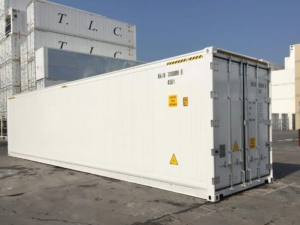
Refrigeration shipping containers play a vital role in modern logistics and transportation, ensuring that a variety of perishable goods remain fresh and safe during transportation. Understanding how they work is key to understanding their functions and applications. Below, we’ll take a closer look at their operation:
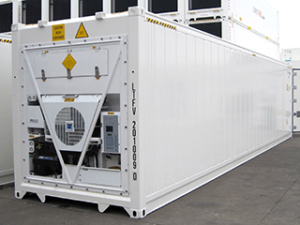
- Refrigeration system: The core of a refrigerated container is the refrigeration system, which controls the temperature inside the container by circulating refrigerant. Refrigeration systems typically include components such as compressors, condensers, evaporators, and expansion valves.
- Temperature control: The refrigeration system controls the temperature inside the container by regulating the operation of the compressor and the heat dissipation of the condenser. Temperature sensors monitor the temperature inside the container and feed the data back to the control system to ensure the temperature remains within the required range.
- Air circulation: They are also equipped with an air circulation system that evenly distributes cold air into the interior of the container through fans to ensure even cooling of the cargo. This helps prevent hot spots, thereby maintaining the quality and freshness of your goods.
- Humidity Control: Some premium refrigeration shipping containers are also equipped with a humidity control system that regulates the humidity levels inside the container. This is particularly important for certain commodities, such as vegetables and fruits, as maintaining proper humidity helps extend the shelf life of goods.
- Security Features: Refrigerated containers often have security features such as door locks and temperature alarm systems. These features ensure the safety and integrity of goods during transportation.
- Energy supply: It is typically provide power using a built-in generator set or connected to an external power source. These generator sets are usually powered by diesel engines and can provide stable power without an external power source.
- Application fields: They are widely used for the transportation of perishable goods such as food, medicines, and chemicals, as well as the transportation of special commodities such as flowers and seafood.
Refrigeration shipping containers ensure that goods maintain ideal temperature and humidity conditions during transportation through complex and effective refrigeration systems and air circulation systems. An in-depth understanding of how refrigeration shipping containers work can help us make better use of this critical transportation tool to ensure the quality and safety of goods.
III. Types of refrigerated containers
Refrigeration shipping containers can be divided into several different types based on their functionality and design features. Here are some common refrigeration shipping container types:
- Standard refrigeration shipping container: This container is the most common type and is typically used to transport food, pharmaceuticals, and other temperature-sensitive goods. They are equipped with refrigeration systems to keep goods fresh within a specific temperature range.
- Cryogenic containers: Cryogenic containers can maintain extremely low temperatures and are often used to transport frozen food and other goods that require extremely low temperatures.
- Heated refrigeration shipping container: This type of container has a heating function to prevent cargo from freezing in cold environments, and is usually used to transport liquid cargo that is easy to freeze.
- Multi-temperature zone refrigerated container: This container has multiple independent temperature zones and can transport a variety of goods with different temperature requirements at the same time, improving transportation flexibility and efficiency.
- Fresh air ventilated container: This type of container has a ventilation system that can provide fresh air to help maintain the freshness of the cargo, and is suitable for some cargoes that require higher ventilation.
- Refrigerated tank truck container: This type of container combines the functions of a truck and a refrigeration shipping container. It can transport goods directly on land and is suitable for short- and medium-distance freight.
While these different types of refrigeration shipping containers meet different cargo transportation needs, they also reflect the trend of continuous innovation and development in the cold chain logistics industry.
IV. Precautions during refrigerated container transportation
Temperature control: Ensure that the temperature of the refrigeration shipping container remains stable during transportation and meets the temperature requirements of the cargo. Regular monitoring and recording of temperatures is crucial.
- Ventilation: Keeping refrigerated containers well entilated ensures air circulation and helps maintain the freshness and quality of the goods.
- Loading and stacking: Goods should be loaded and stacked correctly in containers to avoid blocking vents and refrigeration systems and ensure even air circulation.
- Humidity control: Some goods are sensitive to humidity, so attention needs to be paid to controlling the humidity in the container to prevent the goods from getting damp or deteriorating.
- Monitoring and alarm system: Installing a monitoring and alarm system can promptly detect and solve temperature abnormalities or other problems to ensure the safety of goods.
- Transportation planning: Consider factors such as routes, transportation times, and transhipment methods during transportation to minimize transportation time and transportation interruptions and ensure the timely arrival and quality of goods.
- Cleaning and Disinfection: Regular cleaning and disinfection of refrigeration shipping containers can prevent the growth of bacteria and mold and maintain the hygiene and quality of the goods.
- Emergency measures: Prepare emergency measures and backup plans to deal with possible transportation interruptions or other problems to ensure the safety and quality of goods.
The above precautions are very important during the transportation of refrigerated containers. Transport companies and cargo owners should pay close attention and take corresponding measures to ensure the safety and quality of the goods.
V. Current status
Current situation: According to a report released by market research company Mordor Intelligence, the global refrigerated container market size is expected to grow at a compound annual growth rate of approximately 8% per year from 2021 to 2026. Asia-Pacific is the world’s largest refrigeration shipping container market and is expected to maintain its leading position in the coming years, followed by Europe and North America.
Reasons: Increased food safety and freshness requirements, increased global trade, growing demand for cold chain logistics services, and the need for efficient logistics and supply chain management by multinational wholesalers and retailers.
To sum up, refrigeration shipping container transportation is a very important mode of transportation and plays a vital role in the field of modern logistics and transportation. In the future, with the increase in global trade and logistics demand, the refrigerated container market will continue to grow and become an emerging field in the logistics industry.
CIMC Yang Zhou Base is a leading manufacturer of refrigerated containers and various other standard and special logistics equipment. With years of experience in the industry, it focuses on the design, production and distribution of high-quality innovative products that meet the specific needs of customers.
If you need high-quality and innovative logistics equipment, including refrigerated containers, cold chain equipment, containerized equipment integration, modular buildings, etc., CIMC Yang Zhou Base is your best choice. Welcome inquiries from customers all over the world and look forward to the opportunity to cooperate with you.