



 EN
EN  RU
RU 
I. Introduction
A. Definition and Purpose of Mini Containers
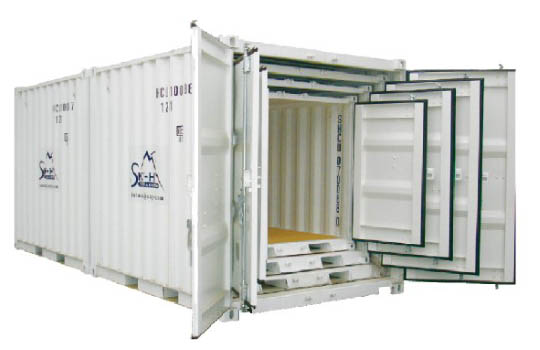
Mini containers, also known as small containers or mini freight containers, are compact shipping containers that are smaller in size compared to standard containers. These containers typically have dimensions ranging from 6 feet to 10 feet in length, making them ideal for transporting small or specialized cargo. Despite their smaller size, they are designed to meet the same quality and durability standards as standard containers, ensuring the safe and secure transportation of goods.
Mini containers serve a variety of purposes across different industries. They are commonly used for transporting goods that do not require a full-size container, such as personal belongings, small equipment, or specialty items. They are also utilized in areas where space is limited, such as urban environments or remote locations, where larger containers may be impractical or inaccessible. Additionally, they are often used for temporary storage or as modular units for building structures, offering a flexible and cost-effective solution for various needs.
B. Significance of Customization in Container Industry
Customization plays a significant role in the container industry, especially in the context of mini containers. Due to their smaller size and diverse applications, they are often customized to meet specific requirements and preferences. Customization can involve modifications to the container’s size, shape, features, and materials, allowing for greater versatility and functionality.
One of the key benefits of customization in the container industry is the ability to tailor containers to suit different cargo types. For example, they can be outfitted with specialized shelving, racks, or compartments to accommodate fragile or irregularly shaped items. Customization can also include the installation of climate control systems, insulation, or ventilation to protect sensitive cargo from environmental factors.
In addition to cargo-specific customization, they can also be customized for use in non-traditional applications, such as pop-up shops, mobile offices, or temporary housing. These customizations may involve adding doors, windows, flooring, or electrical systems to transform the container into a functional space.
II. Overview of Mini Containers
Mini containers, also known as small containers or mini freight containers, are compact shipping containers that offer a versatile and efficient solution for transporting goods. These containers typically have dimensions that are smaller than standard containers, making them ideal for shipping smaller quantities of cargo or for use in limited spaces.
A. Dimensions and Specifications
They come in various sizes, but they are generally smaller than standard shipping containers, which are typically 20 or 40 feet long. They may range from as small as 6 feet to around 10 feet in length, with widths and heights similar to standard containers. These compact dimensions allow mini containers to be easily transported by truck, rail, or ship, offering flexibility in logistics operations.
Despite their smaller size, they are designed to meet the same structural standards as standard containers, ensuring durability and reliability during transport. They are typically made from steel and feature corrugated walls, a weatherproof roof, and secure locking mechanisms to protect the cargo inside.
B. Typical Uses and Industries
They are used across a range of industries for various purposes due to their versatility and convenience. Some common uses include:
1. Storage: They are often used for on-site storage at construction sites, industrial facilities, or commercial properties. Their compact size makes them suitable for storing tools, equipment, and materials while keeping them secure and protected from the elements.
2. Retail: They are used by retailers for pop-up shops, kiosks, or mobile stores. These containers can be easily transported to different locations and offer a cost-effective way to set up temporary retail spaces.
3. Agriculture: They are used in agriculture for storing tools, supplies, and harvested crops. They can also be modified into refrigerated units for storing perishable goods.
4. Events: They are popular in the events industry for creating portable bars, ticket booths, or merchandise stands. Their sturdy construction and customizable features make them ideal for temporary event structures.
5. Residential: They are increasingly being used in residential construction for creating small living spaces, guest houses, or home offices. Their modular design allows for easy customization and assembly, making them a popular choice for modern housing solutions.
III. Customization Options for Mini Containers
A. Structural Modifications
Mini containers, despite their compact size, offer a range of structural customization options to meet specific requirements. These modifications can include:
- Size adjustment: They can be customized to different dimensions to fit unique spaces or transportation needs.
- Reinforced construction: For heavy-duty applications, they can be reinforced with additional structural elements to ensure durability and load-bearing capacity.
- Stackability: They can be designed with features that allow them to be safely stacked to maximize storage or transportation efficiency.
- Mobility enhancements: They can be fitted with wheels or casters for easy maneuverability in warehouses or on-site.
B. Interior and Exterior Features
They can be customized with various interior and exterior features to enhance functionality and convenience:
- Interior shelving or racks: To optimize storage space and organization within the container.
- Lighting and electrical outlets: For applications requiring interior lighting or power supply.
- Climate control systems: To maintain specific temperature or humidity levels for sensitive cargo.
- Exterior coatings or finishes: For increased durability, weather resistance, or branding opportunities.
C. Specialized Applications
They can be customized for specialized applications across various industries:
- Food and beverage industry: They can be equipped with refrigeration units or insulated walls for transporting perishable goods.
- Retail and pop-up stores: They can be converted into mobile retail spaces with customizable interiors and branding options.
- Construction and mining: They can be modified with crane lifting points or reinforced floors for use in construction sites or mining operations.
- Disaster relief: They can be configured as mobile clinics, storage units, or temporary shelters for use in disaster relief efforts.
IV. Benefits of Customized Mini Containers
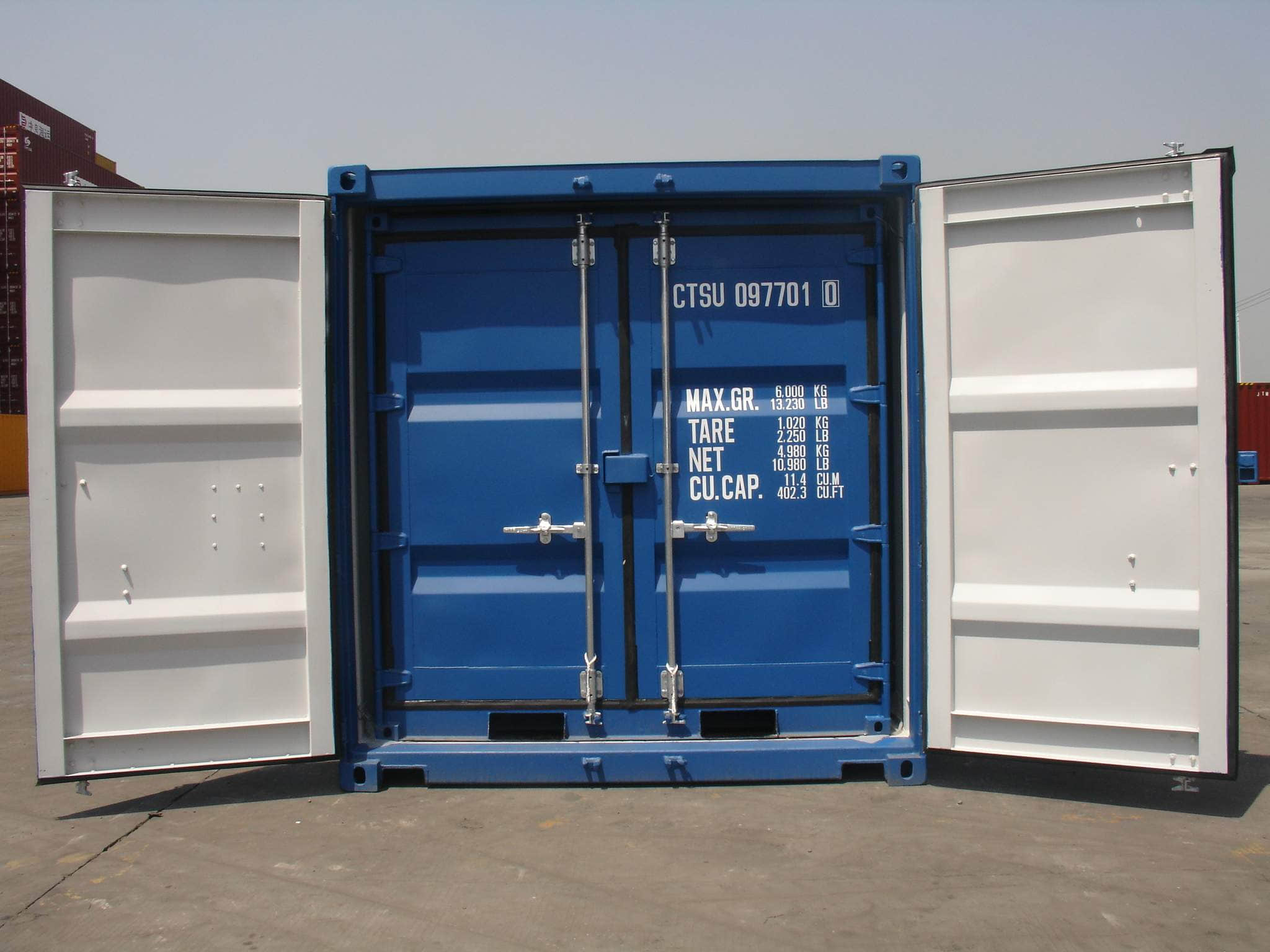
They offer a range of benefits across various industries, making them a versatile and practical solution for storage, transportation, and more. Here’s a detailed exploration of the advantages of its:
- Enhanced Functionality
They are designed to meet specific requirements, offering enhanced functionality compared to standard containers. They can be tailored to accommodate unique cargo dimensions, shapes, and handling needs. This customization ensures that goods are securely stored and transported, reducing the risk of damage or loss. Additionally, features such as specialized locking mechanisms, shelving, and temperature control options can be integrated into mini containers, further enhancing their functionality for specific applications. - Cost-Effectiveness
Despite their smaller size, they can offer significant cost savings compared to larger containers. Their compact design allows for more efficient use of space, both during transportation and storage. This can result in lower shipping costs, as more they can be packed into a single shipment. Furthermore, the customization options available for they can help optimize operations, reducing labor and handling costs associated with traditional storage and transportation methods. - Environmental Sustainability
They can contribute to environmental sustainability in several ways. Their smaller size and efficient use of space help reduce carbon emissions associated with transportation, as fewer trips may be required to move the same amount of cargo compared to standard containers. Additionally, they can be designed using eco-friendly materials and features, such as recyclable materials, energy-efficient insulation, and sustainable production practices. These factors make customized mini containers a greener choice for businesses looking to reduce their environmental impact.
V. Industries Utilizing Customized Mini Containers
A. Construction and Engineering
They are increasingly popular in the construction and engineering industries due to their versatility and mobility. These containers are often used as on-site offices, storage units for tools and equipment, or even as temporary living quarters for workers. Their compact size makes them ideal for tight or remote construction sites where space is limited. Additionally, they can be customized with features like shelving, lighting, and HVAC systems to meet specific project requirements. They offer a cost-effective and efficient solution for temporary or permanent storage and workspace needs in construction and engineering projects.
B. Events and Hospitality
They have found a niche in the events and hospitality industries, where they are used for pop-up shops, food stalls, ticket booths, and portable bars. Their customizable nature allows for branding and design elements to be easily incorporated, making them an attractive option for marketing and promotional events. They can also be converted into portable toilets, showers, and changing rooms for outdoor events and festivals. Their mobility and durability make them a practical choice for temporary structures that need to withstand heavy use and varying weather conditions.
C. Agriculture and Farming
In agriculture and farming, they are utilized for storage, transportation, and processing purposes. These containers can be converted into refrigerated units for storing perishable goods, such as fruits and vegetables, or as temporary shelters for livestock. They can also be outfitted with irrigation systems and lighting for use as hydroponic farms or seedling nurseries. Their durability and weather-resistant properties make them well-suited for outdoor agricultural applications, providing farmers with a versatile and reliable solution for various needs on the farm.
They offer a range of benefits across industries, including their portability, customization options, and cost-effectiveness. As more industries discover the versatility and practicality of mini containers, their use is likely to continue to expand in diverse and innovative ways.
VI. Conclusion
Mini containers offer versatile solutions for various industries and applications with customization options like size variations, door configurations, insulation, and ventilation. This customization ensures they meet unique industry needs and enhances efficiency. Future trends include smart features for tracking, eco-friendly materials, and modular designs for space optimization, promising a sustainable and efficient future for mini container customization.
CIMC Yang Zhou Base is a leading manufacturer of mini containers and various other standard and special logistics equipment. With years of experience in the industry, it focuses on the design, production and distribution of high-quality innovative products that meet the specific needs of customers.
If you need high-quality and innovative logistics equipment, including refrigerated containers, cold chain equipment, containerized equipment integration, modular buildings, etc., CIMC Yang Zhou Base is your best choice. Welcome inquiries from customers all over the world and look forward to the opportunity to cooperate with you.