



 EN
EN  RU
RU 
I. Introduction
With the rising demand for efficient food preservation solutions, the need for advanced cold storage has never been greater.
Cold storage is critical for the food industry to maintain the freshness, safety, and quality of perishable goods.
Cold room containers are revolutionizing food preservation with their advanced technology and versatility, offering a robust solution to modern storage challenges.
II. What Are Cold Room Containers?
Definition
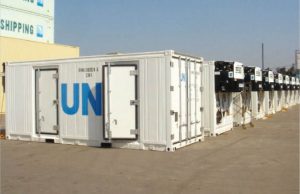
Cold room containers are specialized, portable units designed to provide controlled, low-temperature environments for the storage and transportation of perishable goods. These containers are essential in maintaining the quality and safety of products that require refrigeration or freezing, such as food items, pharmaceuticals, and biological materials.
Basic Components
Cold room containers are equipped with several key features and components that enable them to function effectively:
- Insulation: High-quality insulation materials are used to minimize heat transfer, ensuring that the internal temperature remains stable regardless of external conditions. Common insulation materials include polyurethane foam and vacuum-insulated panels.
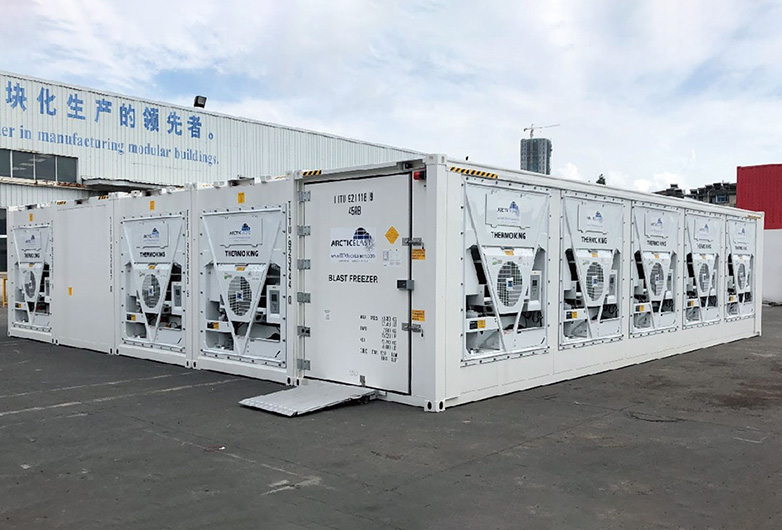
- Refrigeration Units: These are the heart of the cold room container, providing the necessary cooling to maintain the desired temperature. Refrigeration units can vary in complexity and efficiency, with some models offering advanced features like variable speed compressors and low-energy consumption options.
- Temperature Control Systems: These systems allow for precise temperature regulation, ensuring that the internal environment remains within specific parameters. Digital temperature controllers and monitoring systems are commonly used to maintain and record temperature data.
- Doors and Seals: They are fitted with heavy-duty doors and high-quality seals to prevent cold air from escaping and warm air from entering. These components are crucial for maintaining an airtight environment and ensuring energy efficiency.
- Power Supply Options: They can be powered by various sources, including electricity, diesel generators, or even solar panels, making them versatile and adaptable to different locations and situations.
Types
There are several types and sizes of cold room containers available to meet diverse needs:
- Standard Units: These are typically 20-foot or 40-foot containers that provide a large, controlled environment for general cold storage needs. They are ideal for bulk storage and transportation of perishable goods.
- Customizable Units: These can be tailored to specific requirements, such as incorporating multiple temperature zones, additional shelving, or specialized access points for easy loading and unloading.
- Mobile Units: Designed for easy transportation and quick deployment, these are often used in remote locations, disaster relief operations, or temporary storage needs. They can be mounted on trailers or trucks for enhanced mobility.
- Mini Units: Smaller options that are ideal for businesses with limited space or for specific applications such as retail, catering, or small-scale storage. These offer the same advanced features as larger models but in a more compact form.
They offer a versatile and efficient solution for maintaining the integrity of temperature-sensitive products, making them an invaluable asset in various industries.
III. Benefits of Cold Room Containers
- Portability
One of the standout features of refrigerated container is their mobility, which provides unparalleled flexibility in logistics and supply chain management. These containers can be easily transported via trucks, ships, or trains, making them ideal for businesses that need to move perishable goods across long distances or to remote locations. This mobility ensures that products remain at optimal temperatures throughout their journey, reducing spoilage and waste. Additionally, they can be quickly relocated as needed, allowing businesses to adapt to changing market demands and operational needs.
- Efficiency
They are designed with advanced temperature control systems that ensure consistent and precise cooling. This enhanced temperature regulation is crucial for maintaining the quality and safety of perishable goods. Moreover, modern cold room containers are built with energy-efficient refrigeration units and superior insulation materials, which help reduce energy consumption and operational costs. These efficiencies not only lower the carbon footprint of cold storage operations but also contribute to significant cost savings over time.
- Scalability
They offer easy scalability, allowing businesses to adjust their cold storage capacity based on their current needs. Whether expanding during peak seasons or downsizing during off-peak periods, businesses can add or remove containers without the need for major infrastructure changes. This flexibility makes it a cost-effective solution for growing businesses, startups, and companies facing fluctuating demand.
- Cost-Effectiveness
When compared to traditional cold storage solutions, cold room containers present a more cost-effective alternative. Traditional cold storage facilities often require significant upfront investments in construction and infrastructure. In contrast, they are modular and pre-fabricated, leading to lower initial costs. Additionally, the reduced energy consumption and maintenance costs associated with these containers further enhance their cost-effectiveness. Businesses can achieve substantial savings on both capital expenditures and operational expenses by opting for cold room containers.
- Versatility
They are versatile and can be used across a wide range of industries. In the food industry, they ensure the freshness and safety of perishable goods from farm to table. In the pharmaceutical sector, they provide the necessary temperature-controlled environment for storing vaccines, medicines, and other sensitive products. They are also beneficial in agriculture, supporting the cold chain in rural and remote areas where traditional cold storage facilities may not be feasible. Additionally, retail businesses, such as supermarkets and grocery stores, rely on these containers to maintain the quality and extend the shelf life of their products.
By leveraging the benefits of cold room containers, businesses can enhance their operational efficiency, reduce costs, and ensure the quality and safety of their products. Whether for food preservation, pharmaceutical storage, or agricultural use, they offer a reliable and flexible solution for modern cold storage needs.
IV. Technological Advancements
- Smart Features: They now integrate IoT and remote monitoring technologies, enabling optimal temperature control and real-time tracking of storage conditions, ensuring the preservation of perishable goods.
- Energy Efficiency: Advances in insulation materials and refrigeration technology have significantly improved energy efficiency, reducing operational costs and enhancing the performance of cold room containers.
- Sustainability: Eco-friendly options are becoming more prevalent, including the use of sustainable materials and energy-efficient systems, which help reduce the carbon footprint of cold storage solutions.
V. Industry Applications
- Food Industry: They help preserve perishable goods from farm to table, ensuring freshness and reducing waste.
- Pharmaceuticals: They maintain the safety and efficacy of temperature-sensitive medications, crucial for health and safety.
- Agriculture: These containers support the cold chain in rural and remote areas, aiding in the storage and transportation of produce.
- Retail: They enhance the freshness and quality of products in supermarkets, improving customer satisfaction and reducing spoilage.
VI. Conclusion
In conclusion, cold room containers are revolutionizing the way perishable goods are stored and transported. Their advanced technology and versatility make them an invaluable asset across various industries, including food, pharmaceuticals, agriculture, and retail. With benefits such as portability, efficiency, scalability, cost-effectiveness, and versatility, they offer a reliable solution to modern storage challenges. Technological advancements, such as smart features, energy efficiency, and sustainability, further enhance their functionality and appeal. As the demand for efficient and sustainable cold storage solutions continues to grow, they are poised to play a pivotal role in the future of food preservation and storage.
| CIMC Yang Zhou Base is a leading manufacturer of cold room containers and various other standard and special logistics equipment. With years of experience in the industry, it focuses on the design, production and distribution of high-quality innovative products that meet the specific needs of customers. If you need high-quality and innovative logistics equipment, including refrigerated containers, cold chain equipment, containerized equipment integration, modular buildings, etc., CIMC Yang Zhou Base is your best choice. Welcome inquiries from customers all over the world and look forward to the opportunity to cooperate with you. |