



 EN
EN  RU
RU 
Introduction
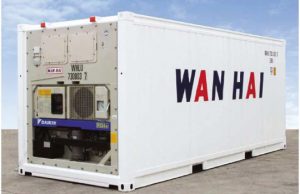
In the ever-evolving world of logistics and transport, refrigerated containers, often referred to as “reefers,” have revolutionized the way we handle temperature-sensitive cargo. These containers, equipped with advanced cooling systems, have found applications across various industries, safeguarding the integrity of perishable goods and expanding possibilities for global trade. In this comprehensive article, we will explore the primary industries and purposes for using refrigerated containers, shedding light on the versatility and significance of these indispensable tools in today’s world.
1. The Food Industry
The food industry stands as one of the largest consumers of refrigerated containers, relying on them to transport fresh and frozen goods across the globe. From fruits, vegetables, and dairy products to seafood, meat, and processed foods, chilled containers ensure that these products reach their destination in optimal condition.
- Farm-to-Table Logistics: Cool cargo containers play a crucial role in farm-to-table supply chains, allowing fresh produce to be shipped across continents while maintaining quality and safety standards.
- Global Seafood Trade: The seafood industry heavily depends on reefers to export fish and shellfish to international markets, ensuring that these highly perishable products remain at low temperatures throughout their journey.
- Frozen Foods: Frozen food manufacturers use Chilled containers to distribute frozen meals and ingredients to consumers worldwide, preserving flavor and nutritional value.
2. Pharmaceuticals and Healthcare
The pharmaceutical and healthcare sectors require precise temperature control to transport medications, vaccines, and medical equipment. Refrigerated containers have become indispensable for these industries.
- Vaccine Distribution: Chilled containers are instrumental in the distribution of vaccines, particularly crucial for vaccines that require ultra-low temperatures like those used for certain COVID-19 vaccines.
- Blood and Organ Transport: Healthcare facilities rely on reefers to transport blood, organs, and medical supplies, maintaining the necessary temperature conditions for their viability.
3. Agriculture and Horticulture
Agriculture and horticulture industries benefit from refrigerated containers when exporting crops, flowers, and plants. These containers extend the shelf life of agricultural products, enabling them to reach markets around the world.
- Flower Exports: Freshly cut flowers are often transported in cool cargo containers to retain their freshness during long journeys, making them available in various regions and seasons.
- Produce Exports: Chilled containers facilitate the export of fruits and vegetables, allowing countries to share their agricultural bounty with others, even across hemispheres.
4. Chemical and Biotechnology
The chemical and biotechnology sectors rely on refrigerated containers to transport temperature-sensitive chemicals, laboratory samples, and biopharmaceuticals, maintaining the integrity and safety of these valuable materials.
- Biopharmaceutical Shipments: Biotech companies use reefers to transport biopharmaceuticals, vaccines, and biological samples that require precise temperature control to remain effective.
- Chemical Exports: The chemical industry uses cool cargo containers to transport various chemicals safely, preventing temperature-related degradation or hazards.
5. Aerospace and Aerospace Supply Chain
The aerospace industry employs chilled containers to transport sensitive aerospace components, materials, and equipment, ensuring that these critical components arrive in pristine condition.
- Precision Components: Delicate aerospace components, such as avionics and specialized materials, are shipped in cool cargo containers to protect against temperature-induced damage.
- Reducing Costs: By maintaining temperature stability, reefers help reduce the risk of costly equipment failures or material defects.
6. Art and Antiques
The art world utilizes chilled containers to transport valuable artworks and antiques. These containers offer controlled environments that safeguard priceless pieces from temperature and humidity fluctuations.
- Preservation: Museums, galleries, and collectors can transport art and antiques with confidence, knowing that the controlled environment will prevent deterioration.
- Global Exhibitions: Art exhibitions worldwide rely on cool cargo containers to ensure that artworks from different locations arrive in pristine condition.
7. Beverage Industry
The beverage industry depends on refrigerated containers to transport various beverages, including wine, beer, and soft drinks, at the ideal temperature.
- Wine Exports: Wineries use reefers to export wines, ensuring that they maintain their taste and quality throughout transit.
- Beer Distribution: Breweries rely on refrigerated containers to transport beer over long distances while preserving its flavor.
8. Chemical and Petrochemicals
The chemical and petrochemical industries use refrigerated containers to transport temperature-sensitive chemicals and petrochemical products safely.
- Chemical Stability: Precise temperature control in reefers prevents chemical reactions or degradation, ensuring the safety and quality of transported chemicals.
- Global Distribution: Petrochemical products like specialty gases can be transported worldwide, thanks to chilled containers’ ability to maintain consistent temperatures.
9. Meat and Poultry Industry
Refrigerated containers are indispensable to the meat and poultry industry, ensuring that fresh and frozen cuts of meat and poultry reach consumers in perfect condition.
- Exporting Meat Products: Meat processing companies rely on reefers to export beef, pork, chicken, and other meat products to international markets, preserving their quality and taste.
- Frozen Meat Distribution: For frozen meat products, chilled containers maintain the required low temperatures during transportation, guaranteeing food safety and compliance with health regulations.
10. Dairy and Dairy Products
Dairy products, including milk, cheese, and yogurt, benefit from refrigerated containers, as they rely on temperature control to maintain freshness and prevent spoilage.
- Dairy Exportation: Dairy producers use reefers to export their products, ensuring that dairy items remain unspoiled and suitable for consumption upon arrival.
- Cheese Distribution: Cheese makers depend on cool cargo containers to distribute cheese varieties worldwide, maintaining their texture and flavor during transit.
11. Retail and Supermarkets
Refrigerated containers are also integral to the retail and supermarket sector, serving as temporary storage units and backup refrigeration during peak seasons or emergencies.
- Seasonal Demand: During holidays or special events, supermarkets often require additional refrigerated storage for perishable items like turkeys and hams, which reefers can provide.
- Power Outages: In the event of power outages or equipment malfunctions, chilled containers can serve as backup refrigeration, preventing food spoilage.
12. Floral Industry
The floral industry relies on refrigerated containers to transport delicate and perishable flowers, ensuring that they remain fresh and vibrant for consumers.
- Global Flower Trade: Flowers from various regions worldwide are transported in cool cargo containers to maintain their freshness, extending their shelf life and availability.
- Weddings and Special Occasions: Florists and event planners use reefers to store and transport large quantities of flowers for weddings, parties, and special occasions.
13. Cosmetics and Pharmaceuticals Supply Chain
Refrigerated containers play a role in the cosmetics and pharmaceutical supply chain, maintaining temperature-sensitive products’ integrity during distribution.
- Cosmetic Preservation: Some cosmetics and skincare products require temperature control to preserve their properties and effectiveness, especially in hot climates.
- Pharmaceutical Storage: Temperature-sensitive pharmaceuticals are stored and transported in chilled containers, ensuring that they maintain their efficacy and safety.
Conclusion
Refrigerated containers have become a cornerstone of modern logistics, enabling industries as diverse as food, pharmaceuticals, aerospace, and art to thrive in an interconnected global economy. With their ability to maintain precise temperature control and provide a secure environment for temperature-sensitive cargo, reefers play a pivotal role in ensuring that products arrive at their destination in optimal condition. As technology continues to advance, the applications of cool cargo containers are likely to expand further, enhancing our ability to transport a wider range of goods safely and efficiently across the world.
CIMC Yang zhou Base is a leading manufacturer of refrigerated containers and various other standard and special logistics equipment. With years of experience in the industry, it focuses on the design, production and distribution of high-quality innovative products that meet the spec ific needs of customers.
If you need high-quality and innovative logistics equipment, including refrigerated containers, cold chain equipment, containerized equipment integration, modular buildings, etc., CIMC Yang zhou Base is your best choice. Welcome inquiries from customers all over the world and look forward to the opportunity to cooperate with you.