



 EN
 RU

Quick Answer:
The cost of a shipping container typically ranges from around $1,600 to over $4,000. This depends on various factors, such as the size, condition, and location of the container, the price of materials, and any customisation requirements. According to ISO 668: Series 1 Freight Containers — Classification, Dimensions and Ratings, as well as industry research from Drewry’s Container Forecaster, show that shipping container prices are strongly influenced by global manufacturing capacity, steel costs, and international logistics demand. In addition to cargo transportation, modern shipping containers are increasingly being used for storage, modular buildings, and specialised industrial applications due to their durability and standardised structure.
How Much Does a Shipping Container Cost?
Shipping containers have become one of the most important assets in modern global logistics. Every year, hundreds of millions of tonnes of goods are transported internationally in standardised containers, enabling cargo to be moved efficiently between factories, ports, warehouses and final destinations. While the container itself may appear to be a simple steel structure, its design represents decades of engineering development focused on strength, safety and transportation efficiency.
When buyers ask, ‘How much does a shipping container cost?’, there is no single fixed answer. The final price depends on various factors, such as whether the container is new or used, its dimensions, manufacturing quality, geographical location, market supply, and whether any additional modifications are required. For example, a standard 20-foot dry container may cost significantly less than a refrigerated container or a customised unit designed for special industrial applications.
In recent years, shipping containers have also expanded beyond their traditional use in transportation. Many companies now use them for warehouse storage, temporary offices, modular buildings, workshops and equipment shelters. This wider range of applications has increased demand and created more variations in container pricing.
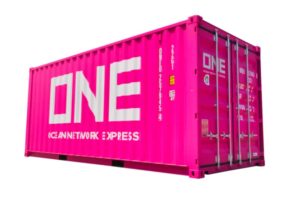
What Is a Shipping Container?
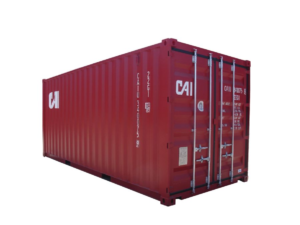
A shipping container is a standardised steel unit designed for transporting goods by various methods, including ocean vessels, rail systems and trucks. The key advantage of containers is their intermodal capability: the same unit can be transferred between different modes of transport without unloading the cargo inside.
The development of standardised containers has transformed international trade by reducing loading times, minimising cargo damage and improving logistical efficiency. According to ISO container standards, shipping containers must meet strict requirements relating to dimensions, structural strength, handling capability and safety performance.
A typical shipping container includes the following major components:
- weather-resistant steel walls and roof;
- reinforced corner posts and corner castings;
- cargo doors with locking mechanisms;
- marine-grade flooring;
- protective coating systems;
- structural frames designed for stacking.
The most common shipping container types include:
Container Type | Standard Size | Common Applications |
Standard Dry Container | 20ft / 40ft | General cargo transportation, storage |
High Cube Container | 40ft | Larger volume cargo, warehouse use |
| Refrigerated Container | 20ft / 40ft | Temperature-controlled goods |
| Open Top Container | 20ft / 40ft | Oversized machinery and materials |
| Tank Container | Standard ISO frame | Liquids, chemicals, industrial materials |
Because containers are designed for repeated international transportation, they are manufactured with strong corrosion resistance and structural durability to withstand challenging environments such as ocean humidity, heavy lifting operations, and long-term outdoor exposure.
Average Shipping Container Cost by Type
The price of a shipping container depends largely on its design, condition, and intended purpose. For most buyers, the first decision is whether to purchase a new container or a used one.
A new container, often called a “one-trip container,” is manufactured and used for only one international shipment before being sold. These containers generally have better appearance, cleaner interiors, and longer remaining service life. They are popular for applications where appearance and reliability are important, such as container offices, commercial projects, and long-term storage solutions.
Used shipping containers are more affordable and widely available. However, their condition can vary significantly depending on previous usage, maintenance history, and exposure to environmental conditions. A container used for international cargo transportation may still have many years of service life if it has been properly maintained.
Container Condition | Typical Price Range | Main Advantages |
New One-Trip Container | $2,000–$4,000+ | Excellent condition, long lifespan |
Cargo-Worthy Used Container | $1600–$2800 | Suitable for international shipping |
| Wind and Watertight Container | $1,800–$3800 | Affordable storage solution |
| Modified Container | Depends on design | Customized applications |
Actual prices vary significantly depending on location, supplier, transportation distance, and market conditions.
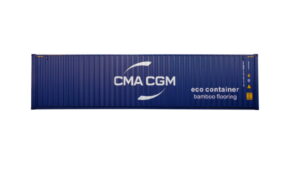
Main Factors That Affect Shipping Container Prices
Container Size and Dimensions
Container size is one of the most obvious factors influencing cost. The two most common options in the global market are 20-foot and 40-foot containers.
A standard 20-foot container is usually preferred for smaller cargo volumes or storage applications, while a 40-foot container provides approximately twice the internal capacity and is widely used for international shipping.
However, size alone does not determine price. A 40-foot high cube container, for example, costs more than a standard 40-foot container because it provides additional height and requires different structural specifications.
Large containers also involve higher costs in:
- Steel materials
- Manufacturing processes
- Transportation handling
- Storage requirements
For companies purchasing multiple units, selecting the correct container size is important because unnecessary capacity can increase both purchase and operating costs.
New vs Used Container Selection
The decision between new and used shipping containers depends on the intended application. Businesses involved in international logistics often prioritize containers that meet cargo transportation requirements, while storage users may focus more on affordability.
New containers provide advantages such as:
- Better external appearance
- Minimal corrosion
- Cleaner internal environment
- Longer expected service life
Used containers provide economic benefits, especially for projects where cosmetic appearance is less important.
For example, a construction company using containers as temporary storage may choose a used container because structural performance is more important than surface condition. In contrast, a company converting containers into offices or retail spaces may prefer new units because they require fewer modifications.
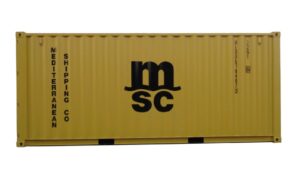
Why Do Shipping Container Prices Change Over Time?
Shipping container prices are closely connected with global trade conditions. Unlike ordinary storage products, containers are part of an international logistics ecosystem, meaning their value changes according to supply and demand.
Several market factors influence pricing:
Steel Material Costs
Steel represents one of the largest components of container manufacturing costs. Changes in global steel prices directly affect production expenses.
Manufacturing Capacity
Countries with mature container manufacturing industries can produce containers more efficiently because they have established supply chains for steel processing, welding, coating, and component manufacturing.
China has become one of the world’s largest shipping container manufacturing centers due to its extensive industrial infrastructure and strong export capabilities. Manufacturers such as CIMC TLC|RYC|XLC have developed container solutions serving global transportation and specialized application markets.
Global Trade Volume
When international trade increases, demand for containers rises, which can influence availability and pricing. Conversely, reduced shipping demand may create a surplus of available containers and lower market prices.
Shipping Container Customization Costs
While standard shipping containers represent the majority of the global market, many buyers require customized solutions for specific applications. Customization can significantly affect the final price because it involves additional engineering, materials, labor, and testing requirements.
A basic container used for storage may only require simple modifications such as additional doors, ventilation systems, or electrical installations. However, a container transformed into an office, laboratory, workshop, or specialized equipment room requires much more extensive changes.
Common customization options include:
- Insulation systems for temperature control
- Electrical wiring and lighting
- Windows and personnel doors
- Flooring upgrades
- Ventilation and air conditioning
- Internal partitions
- Security systems
- Special coatings for harsh environments
For example, a standard dry container may cost several thousand dollars, but a fully equipped modular building made from a container can cost significantly more depending on the design requirements. Buyers should therefore define the final application before purchasing, because unnecessary modifications can increase costs substantially.
How Much Does a Shipping Container Cost for Different Applications?
The purpose of purchasing a shipping container has a major impact on the required specifications and total investment. A container used for transporting cargo follows different requirements from one used as a permanent structure.
International Cargo Transportation
For international shipping, containers must meet strict requirements related to structural strength, dimensions, and safety certification. These containers are typically purchased by logistics companies, freight operators, and manufacturers that need reliable transportation equipment.
Important considerations include:
- Certification compliance
- Structural condition
- Door sealing performance
- Corrosion protection
- Compatibility with shipping systems
Because these containers are repeatedly loaded, transported, and stacked, quality is more important than simply selecting the lowest purchase price.
Storage Applications
Storage containers are one of the most common non-shipping uses. Businesses, construction companies, farms, and warehouses often choose containers because they provide a secure and weather-resistant storage solution.
Compared with traditional storage buildings, containers offer advantages such as:
- Fast installation
- Lower construction requirements
- Relocation flexibility
- Long service life
For storage purposes, used containers are often sufficient because the main requirements are protection from weather, security, and structural stability.
Modular Buildings and Commercial Projects
Shipping containers are increasingly used in architecture and commercial construction. They can be converted into:
- Offices
- Retail stores
- Worker accommodation
- Temporary classrooms
- Workshops
These applications usually require more customization, meaning the final cost depends heavily on interior design, insulation, electrical systems, and local building requirements.
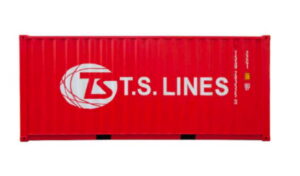
What Should You Consider Before Buying a Shipping Container?
Purchasing a shipping container requires more evaluation than simply comparing prices. A low-cost container may create additional expenses if it requires extensive repairs or does not meet the intended application requirements.
Check Container Condition Carefully
The condition of a used container can vary greatly. Buyers should inspect important areas including:
- Floor condition
- Door operation
- Roof damage
- Rust levels
- Structural deformation
- Water leakage
A container that appears inexpensive may require significant repair costs if corrosion or structural problems are present.
Understand Your Required Container Grade
Different applications require different quality levels.
For example:
- International shipping requires cargo-worthy containers
- Outdoor storage requires wind- and watertight containers
- Commercial projects may require new containers
- Choosing the correct grade prevents unnecessary spending.
Consider Transportation Costs
Many buyers focus only on the container purchase price but overlook delivery expenses.
Transportation costs depend on:
- Distance from supplier
- Local road conditions
- Crane requirements
- Installation location
A container purchased at a lower price from a distant supplier may become more expensive after transportation is included.
A practical purchasing decision should always consider the total delivered cost rather than the initial container price alone.
Are Shipping Containers a Good Long-Term Investment?
Shipping containers are considered durable assets because they are designed for demanding transportation environments. A well-maintained container can remain functional for decades, depending on usage conditions and maintenance practices.
Their advantages include:
- Strong steel construction
- Resistance to weather exposure
- Easy transportation
- Flexible reuse options
- Low maintenance requirements
However, the long-term value depends on proper selection and maintenance. Containers exposed to coastal environments may require more frequent corrosion protection, while containers used indoors may have significantly longer service lives.
For companies, purchasing quality containers can reduce replacement costs and provide reliable storage or transportation capacity over many years.
Future Trends Affecting Shipping Container Prices
Growth of Sustainable Container Reuse
Environmental concerns are increasing interest in container reuse. Instead of manufacturing new buildings or disposable storage structures, companies are finding new applications for retired shipping containers.
Future demand is expected to grow in areas such as:
- Modular construction
- Emergency housing
- Mobile facilities
- Renewable energy projects
This trend may increase the value of high-quality used containers.
Smart Container Technologies
Digital technology is changing how shipping containers are managed. Modern logistics companies are increasingly adopting smart tracking systems to improve visibility and operational efficiency.
Future container technologies may include:
- GPS tracking
- Temperature monitoring
- Remote condition monitoring
- Digital maintenance records
These improvements can help companies reduce losses, optimize logistics operations, and improve cargo safety.
More Specialized Container Designs
As global industries become more specialized, demand for customized containers is expected to increase.
Examples include:
- Refrigerated containers for pharmaceuticals
- Tank containers for chemicals
- Energy storage containers
- Mobile industrial facilities
Manufacturers that can combine standardized container engineering with customized solutions will have stronger competitiveness in future markets.
Frequently Asked Questions About Shipping Container Costs
Q1: How much does a standard shipping container cost?
A standard shipping container usually costs between approximately $1,500 and $8,000 depending on size, condition, location, and market demand. Used containers are generally more affordable, while new one-trip containers cost more because of their better condition and longer service life.
Q2: Is it cheaper to buy a new or used shipping container?
A used shipping container is usually cheaper upfront, making it suitable for storage and basic applications. A new container costs more but provides advantages such as better appearance, fewer repairs, and longer usable life. The best choice depends on the intended purpose and budget.
Q3: How long does a shipping container last?
A properly maintained shipping container can often last 20 years or more. Actual lifespan depends on factors such as climate conditions, corrosion protection, maintenance frequency, and whether the container is used for transportation or stationary storage.
Q4: What is the cheapest type of shipping container?
The cheapest option is usually a used standard dry container with visible cosmetic wear but acceptable structural condition. These containers are commonly used for storage because they provide strong protection at a lower cost.
Q5: Why are shipping containers expensive now?
Shipping container prices can increase due to higher steel costs, increased manufacturing expenses, transportation demand, and global trade changes. Since containers are connected to international logistics activity, market conditions strongly influence pricing.
Q6: Can shipping containers be customized?
Yes. Shipping containers can be modified for many applications, including offices, workshops, storage facilities, and specialized equipment rooms. Customization costs depend on design complexity, materials, and additional systems required.
Conclusion
The cost of a shipping container is influenced by far more than just its size and basic specifications. The final investment is influenced by factors including container condition, manufacturing quality, steel prices, transportation distance, and customisation requirements.
When it comes to standard cargo transportation, buyers usually prioritise structural strength, certification and reliability. For storage and construction applications, however, affordability and potential for modification may become more important. Understanding these differences helps businesses and individuals to select the right container solution and avoid unnecessary expenses.
As the field of global logistics continues to evolve, shipping containers will remain a vital part of the infrastructure supporting international trade, while also expanding into new areas such as modular construction, smart logistics and sustainable reuse. When selected according to real operational requirements, a high-quality shipping container provides long-term value, whether purchased for transportation, storage, or customised applications.