


 EN
 RU

Article Summary: The weight of an empty 40ft reefer container typically ranges from 4,400 to 4,800 kg (9,700 to 10,600 lb), although this varies depending on the container’s design and the refrigeration unit. According to manufacturer and shipping-line specifications, a 40ft high-cube reefer usually has a maximum gross weight of around 34,000–35,000 kg (74,960–77,160 lb). The permitted cargo payload is calculated by subtracting the tare weight from the container’s maximum gross weight rating.
Note: All data and information are for reference only and may vary between different suppliers. Please consult the corresponding manufacturer for details.
How Much Does a 40 Reefer Container Weigh?
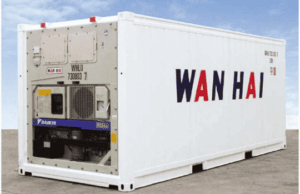
A 40ft refrigerated container, also known as a ‘reefer’, generally weighs between 4.4 and 4.8 tonnes when empty, including the refrigeration machinery. This is its tare weight, which is the weight of the container when it is not carrying cargo. The exact figure can vary depending on the manufacturer, the model of the refrigeration unit, the insulation structure, the flooring, and the container specifications, so buyers and logistics operators should refer to the rating plate and the documentation specific to the equipment for operational decisions.
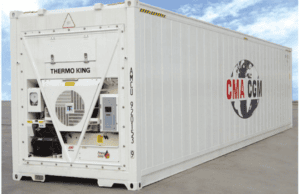
It is also important to distinguish between a standard-height 40ft reefer container and a 40ft high-cube reefer container. High-cube models are typically 9 feet 6 inches (2,896 mm) tall externally, providing additional internal height and volume compared to standard-height containers. The extra structure and different refrigeration configuration may affect the tare weight, so the exact container type should be confirmed before using published specifications.
What Are the Tare Weight, Payload, and Gross Weight?
Container specifications use three different weight figures, and getting them mixed up can lead to overloading or incorrect freight calculations. The tare weight is the weight of the empty container and its installed equipment. The payload is the maximum permitted cargo weight. The maximum gross weight is the maximum combined weight of the container and its contents.
The basic calculation is as follows:
Maximum payload = Maximum gross weight – Tare weight
For example, if a 40ft high-cube reefer has a maximum gross weight of 35,000 kg and a tare weight of 4,500 kg, its nominal payload would be 30,500 kg. However, this does not automatically mean that a shipment can legally carry 30,500 kg of cargo. The road vehicle’s axle limits, route restrictions, port rules, shipping line requirements, and the actual container’s marked ratings may impose lower limits.
Weight term | Typical figure for a 40ft reefer | What it means |
Tare weight | 4,400–4,800 kg | Empty container, normally including the refrigeration unit |
Maximum gross weight | 34,000–35,000 kg | Container plus cargo, within the stated equipment rating |
| Nominal payload | Approximately 29,000–30,600 kg | Gross rating minus tare weight; actual usable allowance may be lower |
| Loaded container weight | Varies by shipment | Tare weight plus actual cargo and any additional items included in the weighing method |
These figures are representative rather than universal. Always check the specific unit’s data plate and the carrier’s current requirements before loading.
Why Does the Weight of a 40 Reefer Container Vary?
The weight of a 40 reefer container is influenced by more than its external dimensions. Unlike a standard dry container, a reefer incorporates insulated wall and ceiling panels, a specialized floor designed to support airflow, sealed doors, and a refrigeration unit. These components are essential to maintaining cargo temperature, but they also contribute to the container’s empty weight.
Several factors explain the differences between published specifications:
- Refrigeration equipment: Different refrigeration-unit models have different weights and configurations. A specification may list the container shell separately from the refrigeration machinery or give the total tare weight with the unit installed, so the scope of the stated weight matters.
- Container design and construction: Insulation panels, flooring, structural reinforcements, door assemblies, and manufacturing choices can create differences between otherwise similar units.
- Standard-height versus high-cube design: A high-cube reefer provides greater internal height, but its overall structure and equipment specification may differ from those of a standard-height model.
- Age and condition: Repairs, replacement components, and modifications can change the actual weight of an individual container. The original specification may not reflect every change made during its service life.
The practical lesson is to avoid choosing a container based solely on an online average. When arranging a shipment or purchasing refrigerated equipment, request the precise tare weight, maximum gross weight, and payload rating for the specific unit. If a supplier quotes a tare weight excluding the refrigeration unit, obtain the complete installed weight before using the figure in transport or cargo calculations.
How Much Cargo Can a 40 Reefer Container Carry?
A 40ft high-cube reefer typically has a nominal payload of around 29–30.5 tonnes, depending on the gross weight rating and empty weight of the individual unit. The cargo allowance is calculated by subtracting the tare weight from the maximum gross weight; however, the usable amount must also account for packaging, pallets, dunnage, securing materials, and any other items that are part of the loaded shipment.
For example, if a reefer is rated for a maximum gross weight of 34,000 kg and has a tare weight of 4,700 kg, the usable payload would be 29,300 kg. Its nominal payload would be 29,300 kg. Even if the cargo and packaging weigh 28,900 kg, the load may not fit within the container’s nominal weight allowance. Therefore, the shipper must verify the applicable transport limits and loading requirements.
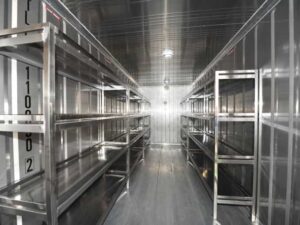
Refrigerated cargo also has a practical constraint that ordinary weight calculations do not capture: airflow. Reefer containers are designed to circulate conditioned air around the cargo, often through channels in the floor and around the load. Blocking these channels, covering required air passages, or loading beyond the recommended load line can compromise temperature control, even if the shipment is below the maximum payload. Therefore, a load should be assessed based on weight, volume, cargo geometry, packaging, and airflow requirements.
How to Calculate the Loaded Weight Before Shipping?
Before dispatch, confirm the container’s own tare weight and the shipment’s total cargo weight, including relevant packaging and loading materials. Then calculate the expected gross weight and compare it with the container’s maximum gross rating and the limits applicable to the planned transport route. This simple check can prevent avoidable delays, rehandling, and compliance problems at terminals or during inland transport.
Use the following process:
- Read the container’s rating plate. Record the marked tare weight and maximum gross weight for the specific unit, rather than relying only on a generic online specification.
- Calculate the complete cargo weight. Include the products, cartons, pallets, dunnage, and securing materials that will travel inside the container.
- Calculate expected gross weight. Add the tare weight to the total loaded contents.
- Check the transport system. Confirm vehicle and axle limits, route restrictions, carrier rules, and any relevant terminal requirements.
- Verify the final loaded unit. Where required, use an accepted weighing method and the applicable verified gross mass procedure before shipment.
For example, if an empty reefer weighs 4,600 kg and a full cargo load weighs 27,800 kg, the estimated gross weight would be 32,400 kg. While this is below the maximum gross rating of 34,000 kg, it does not eliminate the need to check road or rail limits, loading distribution, or the specific requirements of the carrier.
When planning logistics, we recommend using the data plate of the individual container and the carrier’s equipment specification as the primary references. When selecting equipment, suppliers of refrigerated containers and related logistics equipment, including CIMC TLC|RYC|XLC, can be approached for product information; the exact weight and configuration of the unit being purchased or supplied should be confirmed.
What Should Buyers Check When Sele
cting a 40 Reefer Container?
When choosing a refrigerated container, weight is only one factor to consider. It must also be suitable for the cargo’s temperature range, ventilation needs, dimensions, loading method, and transport route. As different types of cargo, such as fresh produce, frozen food, pharmaceuticals, and temperature-sensitive industrial goods, can have different requirements, buyers should verify that the refrigeration unit and container configuration are appropriate for the intended shipment.
Before purchasing or leasing, review these five points:
- Weight ratings: Confirm tare weight, maximum gross weight, and payload on the actual unit’s data plate.
- Temperature performance: Check the specified operating range and whether the refrigeration system can maintain the cargo’s required set point under expected ambient conditions.
- Usable dimensions: Verify internal dimensions, door-opening measurements, floor design, and cargo-loading clearance.
- Condition and maintenance: Inspect the insulation, door seals, floor, refrigeration machinery, and service history, especially when considering used equipment.
- Compliance and documentation: Confirm the applicable container certification, inspection status, carrier acceptance, and transport requirements.
A container with a lower tare weight may offer a higher nominal payload if the maximum gross rating remains the same. However, tare weight should not be the only purchasing criterion: insulation performance, refrigeration reliability, energy consumption, maintenance support, and suitability for the cargo can have a greater effect on total operating cost.
Frequently Asked Questions About 40 Reefer Container Weight
- How heavy is an empty 40 reefer container?
An empty 40ft reefer typically weighs about 4,400–4,800 kg (9,700–10,600 lb), including its refrigeration unit. The precise tare weight depends on the model and should be confirmed from the container’s data plate.
- How much does a 40ftreefer weigh when fully loaded?
A fully loaded 40ft reefer can weigh approximately 34,000–35,000 kg (74,960–77,160 lb) when operating at the maximum gross rating of a unit with that specification. The actual permitted weight depends on the container’s rating, cargo load, and applicable transport limits.
- What is the payload capacity of a 40 reefer container?
A 40ft high-cube reefer commonly has a nominal payload of around 29,000–30,600 kg. The allowable cargo weight must be calculated from the specific unit’s maximum gross weight minus its tare weight.
- Is a 40fthigh-cube reefer heavier than a standard 40ftreefer?
The high-cube version is taller and provides additional internal volume, but its tare weight depends on the construction and refrigeration equipment used. Compare the actual specifications of the two units rather than assuming that height alone determines the weight difference.
- How many cubic meters can a 40 reefer container hold?
A typical 40ft high-cube reefer has a nominal internal volume of approximately 67–68 m³. The volume that can be used for cargo may be lower because of the refrigeration-unit housing, airflow clearances, packaging, and loading arrangement.
- How do I calculate the maximum cargo weight for a 40 reefer container?
Subtract the container’s tare weight from its maximum gross weight to calculate the nominal payload. Then check packaging weight, cargo-securing materials, road and axle limits, and other applicable restrictions before loading.
Conclusion
A typical empty 40ft reefer container weighs 4.4–4.8 tonnes, while a common high-cube model has a maximum gross rating of 34–35 tonnes and a nominal cargo payload of 29–30.6 tonnes. While these are useful planning ranges, the exact values depend on the container model, refrigeration unit, and equipment rating. Our CIMC, TLC, and RYC offer 20ft and 40ft reefer containers. Please contact us for specific details.
For accurate shipping calculations, distinguish between the tare weight, payload, and maximum gross weight, and verify the actual unit’s specifications before loading. Remember that weight compliance is only one part of safe reefer operation; cargo distribution, temperature control, ventilation, and applicable road, rail, and carrier limits must also be considered.