



 EN
EN  RU
RU 
As the world pivots towards sustainable energy, electric vehicles (EVs) have emerged as a critical component in reducing greenhouse gas emissions and dependence on fossil fuels. However, the growth of electric mobility is not without its challenges. One of the most significant obstacles to mass adoption is the long charging times required for electric vehicles compared to the quick refueling experience of gasoline-powered cars. In response to this challenge, battery exchange stations (BES) have surfaced as a promising solution, offering rapid battery swaps for EVs.
They are designed to provide a fast, efficient, and cost-effective alternative to traditional EV charging. In a typical setup, these stations allow drivers to exchange their depleted batteries for fully charged ones, drastically reducing the time spent waiting for a charge. With the ability to change a battery in as little as three minutes, these stations are poised to revolutionize the way we think about EV charging.
What is a Battery Exchange Station?
A battery exchange station is a facility designed to quickly swap the depleted battery of an electric vehicle with a fully charged one. The concept of battery swapping is not new, but with the rise of electric mobility, it has gained new traction. Unlike traditional charging stations that require the vehicle to be plugged in and left to charge for extended periods, they allow for an instantaneous swap, reducing the downtime of the vehicle to just a few minutes.
The idea is simple: once a vehicle runs out of power, the driver can drive into the exchange station, where the old battery is removed and a fully charged one is installed. This process can be completed in as little as three minutes, which is significantly faster than even the fastest charging stations, which can take anywhere from 30 minutes to several hours to charge an EV fully.
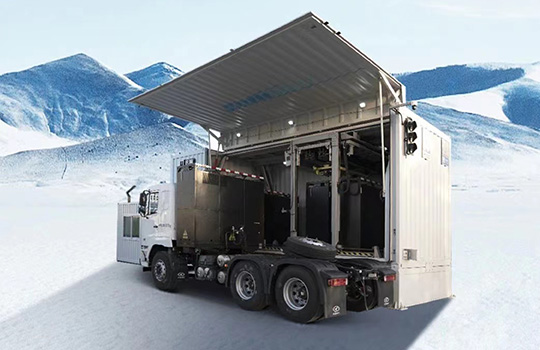
Advantages of Battery Exchange Stations Over Traditional Charging
- Speed and Convenience
One of the most significant advantages of it is the speed at which they operate. The process of changing a battery can be completed in just three minutes. This is a game-changer compared to traditional charging methods, which can take much longer, especially with larger batteries. In many cases, charging an EV can take between 30 minutes to several hours, depending on the charging station’s power output and the battery’s size. This delay can be frustrating for drivers, especially in situations where time is of the essence.
In contrast, they offer a far quicker alternative, allowing drivers to swap out their depleted battery and continue their journey without significant interruption. This speed is especially beneficial for fleet operators, such as delivery companies, who need to ensure their vehicles are back on the road quickly to maintain operations.
- Space Efficiency
They are also more space-efficient than traditional charging stations. A typical charging station requires significant space to accommodate multiple charging units, transformers, and associated infrastructure. Battery exchange stations, on the other hand, are much more compact. They can operate with just 55 square meters of space and can complete a battery swap in a matter of minutes. This makes battery exchange stations an ideal solution for urban areas with limited space, as they can be built in smaller locations without requiring large plots of land.
- Lower Costs
The costs associated with operating and maintaining battery exchange stations are also relatively low compared to traditional charging stations. Since these stations require less space and can handle multiple battery exchanges in a short period, they can generate a significant return on investment. Moreover, they can be easily scaled and deployed in high-demand areas, reducing the need for costly infrastructure upgrades that are common with traditional charging stations.
For vehicle owners, the cost of using a battery exchange station is often lower than the cost of charging at a traditional EV charging station. This is because the stations typically offer a pay-per-use model, where customers only pay for the battery they use, rather than paying for the electricity consumed to charge their vehicle.
- Efficiency for Fleet Operators
They are particularly advantageous for fleet operators, such as ride-sharing services, public transportation, and delivery fleets. For these operators, the ability to quickly swap out a battery ensures that their vehicles spend less time idling and more time on the road, maximizing their productivity.
In addition to the time savings, fleet operators can also benefit from the predictable nature of battery exchanges. Since the station provides a fully charged battery each time, fleet operators can plan their operations more efficiently, knowing that their vehicles will always have a charged battery ready to go. This level of predictability is difficult to achieve with traditional charging methods, where the time to charge can vary based on a variety of factors, such as the power output of the charging station or the weather.
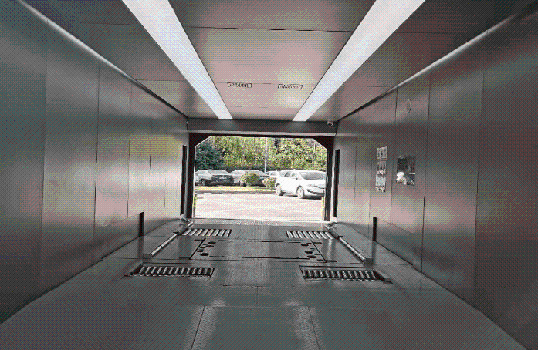
How Battery Exchange Stations Work
The basic operation of it is relatively straightforward. When a vehicle arrives at the station, it drives into a designated area where the exchange process takes place. Using an automated system, the station’s machinery removes the depleted battery from the vehicle and installs a fully charged one. This process is carried out quickly, typically in less than five minutes, thanks to the automation of the entire operation.
The battery swapping process requires a standardization of battery sizes and types across different vehicles, which can be a challenge given the variety of EV models on the market. However, many manufacturers are now working toward creating a universal battery platform that will allow for interoperability between different EV models, ensuring that they can serve a wide range of vehicles.
Once the battery has been swapped, the driver is free to continue their journey, while the station works to recharge the depleted battery. This recharging is done off-site, so it doesn’t interfere with the station’s ability to serve customers.
Challenges and Limitations
While they offer many advantages, they are not without their challenges. One of the primary hurdles is the need for standardization in battery design. As mentioned earlier, different vehicle manufacturers currently produce batteries of various sizes and specifications, which could limit the number of vehicles that can use a particular exchange station. To overcome this, the industry is working towards standardizing battery designs or at least establishing platforms that allow for interchangeable batteries across different vehicle models.
Another challenge is the initial cost of building battery exchange stations. Although the operational costs are lower than traditional charging stations, the upfront investment in developing the infrastructure can be significant. This includes the cost of land, equipment, and the development of a robust supply chain for the batteries themselves. However, as the demand for electric vehicles grows, the economics of they are expected to improve, and the upfront investment will likely become more feasible.
Lastly, there is the issue of battery lifespan. Batteries degrade over time and may lose their ability to hold a charge. Ensuring that batteries used in exchange stations remain in good condition is essential to maintaining the efficiency of the entire system. Battery maintenance and recycling will become critical components of the business model for battery exchange stations.
Future Outlook
Despite the challenges, the future of battery exchange stations looks promising. As electric vehicles become more mainstream, and as governments and private companies invest in the necessary infrastructure, they could become a key component of the global electric vehicle ecosystem. With the growing focus on sustainability, reducing the time it takes to get an EV back on the road could accelerate the adoption of electric vehicles worldwide.
Moreover, the rise of autonomous vehicles and the expanding use of electric commercial fleets could create additional demand for battery exchange stations. In the future, these stations could be integrated with smart city infrastructure, helping to optimize traffic flows and reducing the environmental impact of transportation.
Conclusion
Battery exchange stations represent a transformative solution to the challenges of electric vehicle charging. By providing a quick, efficient, and cost-effective alternative to traditional charging, these stations can help make electric vehicles more practical for everyday use. Although there are challenges to overcome, including the need for standardization and the initial investment in infrastructure, the potential benefits are clear. With the continued growth of the electric vehicle market, they could play a critical role in accelerating the shift towards sustainable transportation.
CIMC TLC|XLC|RYC is a leading manufacturer of battery exchange stations and various other standard and special logistics equipment. With years of experience in the industry, it focuses on the design, production and distribution of high-quality innovative products that meet the specific needs of customers.
If you need high-quality and innovative logistics equipment, including refrigerated containers, cold chain equipment, containerized equipment integration, modular buildings, etc., CIMC TLC|XLC|RYC is your best choice. Welcome inquiries from customers all over the world and look forward to the opportunity to cooperate with you.