



 RU
RU  EN
EN 
Abstract
. контейнер с открытой крышкой (also referred to as an open-top shipping container) is a specialized freight container designed without a fixed roof, allowing cargo to be loaded and unloaded from the top using cranes or other lifting equipment.
Research by the International Maritime Organization (IMO) and studies published in the Journal of Shipping and Trade (2023) have indicated that open-top containers are particularly suited to the transportation of oversized, heavy, or irregularly shaped cargo that cannot be accommodated by standard containers.
The utilisation of open-top shipping containers has been demonstrated to enhance operational efficiency within the domain of project cargo logistics. This enhancement is achieved by facilitating vertical loading and flexible cargo handling. This article provides a comprehensive, industry-level exploration of open-top containers, including their structure, working principles, applications, advantages, limitations, and future trends in global shipping.
Introduction: The Role of Open Top Containers in Modern Logistics
The evolution of global trade has driven the need for increasingly specialised shipping solutions. Whilst standard containers are the dominant form of container in international freight, there are certain types of cargo for which alternative designs are required in order to ensure safe and efficient transportation. The open-top container represents a significant innovation, offering greater flexibility for cargo that exceeds the dimensional constraints of conventional containers.
In industries such as construction, energy, and heavy manufacturing, cargo frequently comprises machinery, steel structures, or equipment that cannot be readily loaded through standard container doors. Open-top shipping containers are an essential component of modern logistics systems, as they address the challenge of vertical loading.
Logistics professionals, exporters, and supply chain managers must comprehend the functionality of these containers and the optimal locations for their utilisation.
What is an open-top container?
An open-top container is a type of intermodal container that is devoid of a permanent roof. Instead, it is covered with a removable tarpaulin or flexible cover, secured by ropes or locking mechanisms.
The design facilitates the loading of cargo from above using cranes, rendering it optimal for the transportation of oversized or heavy items that cannot be accommodated through standard container doors. Despite the absence of a rigid roof, open-top containers maintain structural integrity through reinforced side walls and end frames (Jones, 2019).
Open-top shipping containers are typically available in standard sizes, such as 20-foot and 40-foot units, ensuring compatibility.
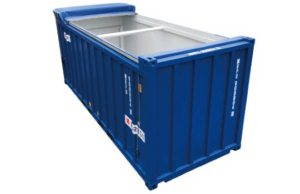
Key Structural Features of Open Top Containers
The design of an open-top container is optimized for flexibility and strength.
Характеристика | Описание | Функция |
Removable Roof | Tarpaulin or soft cover | Allows top loading |
| Reinforced Frame | Strong steel structure | Supports heavy loads |
| Detachable Header | Removable top beam | Facilitates cargo entry |
| Lashing Rings | Internal securing points | Stabilizes cargo |
These features ensure that open-top containers can handle demanding shipping requirements while maintaining safety standards.
How do Open Top Shipping Containers Work?
Open Top Shipping Containers are specially designed containers with a roof that can be taken off. This allows cargo to be loaded and unloaded from the top using cranes or other lifting equipment. This design makes them perfect for oversized, heavy, or irregularly shaped cargo that cannot fit through standard container doors.
Structural Design
Open roof with removable tarpaulin cover
Open-top containers have a heavy-duty tarpaulin (PVC cover) instead of a fixed steel roof, supported by removable roof bows.
Reinforced sidewalls and end frames
Designed to withstand heavy loads and maintain structural integrity
Top rail system
Allows easy removal and installation of the roof structure
How is cargo loaded and unloaded?
Cargo is usually loaded using cranes, forklifts, or lifting systems.
Then, items are lowered into the container from above.
After loading, the container is covered with a waterproof cover and secured.
This method is particularly useful for cargo that is:
The container is too tall for standard containers. It is also difficult to manoeuvre through container doors.
Securing and protecting
Cargo is secured using lashing rings, chains, and straps.
The tarpaulin cover protects against rain, dust, and damage from the environment.
Additional bracing may be used for fragile or high-value goods.
How to transport it?
Open-top containers can be used with:
- Sea freight (container ships)
- Rail transport
- Truck transport
They follow standard ISO container dimensions, making them easy to use in global logistics systems.
Comparison with Standard Containers
Аспект | Контейнер с открытым верхом | Стандартный контейнер |
Roof Design | Open with cover | Fixed steel roof |
Loading Method | Top loading | Door loading |
| Тип груза | Oversized/heavy | Standard goods |
| Гибкость | Высокий | Умеренный |
This comparison highlights the unique advantages of open-top containers in handling specialized cargo.
Applications of Open Top Containers
Open-top containers are used a lot in lots of industries that need to be able to handle big, heavy, or non-standard cargo flexibly.
Heavy Machinery and Industrial Equipment
Transport of construction machinery, generators, and industrial components
Ideal for equipment that is too tall for standard transport
Materials used in construction and infrastructure
Steel structures, pipes, beams, and parts of buildings that are made in a factory
Large construction materials that are put on top
Energy and Power Industry
Transport of large and heavy equipment
Suitable for oversized and high-weight cargo, Mining and Resource Industry
Mining and Resource Industry
Heavy-duty equipment and raw materials
Bulk items that are difficult to handle with standard containers
Timber and Long Cargo
Logs, lumber, and long materials
Cargo that may extend beyond container height limits
Project Cargo and Special Logistics
Used in project logistics involving oversized or irregular shipments
Essential for industries requiring customized transport solutions
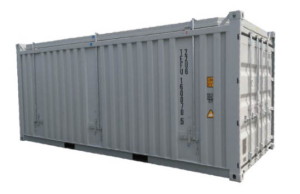
Advantages of Open Top Shipping Containers
Open-top containers have a removable roof or tarpaulin cover, which allows you to load heavy or irregular cargo at the top. They have several key advantages over standard containers:
Flexibility for Large Cargo
This is perfect for transporting tall items like machinery, pipes, or construction materials.
It can be loaded and unloaded easily using cranes or forklifts.
Works in many different industries
This product is used in construction, mining, energy, and project logistics.
It can carry long, heavy, or irregular items that cannot fit into normal containers.
How strong and long-lasting is it?
The sidewalls and end frames have been made stronger to make sure that heavy loads can be transported safely.
Tarpaulin covers keep cargo dry and protected from dust and other things in the environment.
How easy is it to use?
Top-loading means you don’t need to take it apart or handle it carefully.
It can be used on the sea, rail, and road, and it follows the same global logistics standards.
Преимущество | Описание | Воздействие |
Гибкость | Handles oversized cargo | Expands shipping options |
Efficient Loading | Crane-based loading | Saves time |
| Универсальность | Suitable for various industries | Broad applications |
| Structural Strength | Reinforced design | Ensures safety |
Safety and Regulatory Considerations
It is very important to follow the rules and safety standards when transporting goods in open-top containers.
How to secure cargo?
It is very important to use lashing rings, chains, straps, and bracing to stop cargo from shifting while it is being transported.
It is very important to spread the weight around evenly so that the container doesn’t tip over.
Соответствие нормативным требованиям
Containers must meet ISO standards for size, how strong they are, and where they can be lifted.
There are international shipping regulations that may apply, such as IMDG codes for hazardous materials.
Inspection and maintenance
It is important to regularly check the container structure, the tarpaulin cover, and the locking mechanisms.
If containers are damaged or covers are worn out, they must be repaired or replaced to stop cargo from being lost or accidents from happening.
Measures to protect the environment and safety
Weatherproofing and preventing contamination are both part of protecting cargo.
The first thing to do when loading and unloading is to make sure that the workers are safe.
Future Trends (2026–2030)
The open-top shipping container industry is changing to meet the needs of sustainability, efficiency, and digitalisation.
Green choices
We use materials that are good for the environment, like recycled steel and strong, weatherproof tarpaulins.
We are working on making materials that are lightweight but strong. This will mean that things can be shipped more easily and will use less fuel.
Smart Container Technology
Using IoT sensors to check the temperature, humidity, and security of cargo.
You can also track your cargo in real-time and set automated alerts for when it is at risk of damage.
Better Logistics Integration
Modular designs that work with automated cranes, robotic handling, and smart ports.
Making it easier to handle large items in complicated supply chains.
Sustainability and the Circular Economy
Containers can be used again, fixed if needed, and recycled. This helps to reduce the negative effects on the environment.
We make sure that sensitive cargo is kept cold and transported in ways that are good for the environment.
Growth in industry
There is more demand for renewable energy, transporting heavy machinery, and building construction.
Growth in emerging markets is leading to more people using flexible and durable open-top containers.
FAQ Section
Q1: What is an open-top container used for?
It is used for transporting oversized or heavy cargo that cannot fit in standard containers.
Q2: How is cargo protected in an open-top container?
Using tarpaulin covers and secure fastening systems.
Q3: Are open-top containers safe?
Yes, when used according to regulations and properly secured.
Q4: What sizes are available?
Typically 20-foot and 40-foot containers.
Q5: When should I use an open-top shipping container?
When cargo requires top loading or exceeds standard height limits.
Заключение
An open-top container is a specialised solution designed to meet the demands of modern logistics, particularly for oversized and heavy cargo. The provision of a practical alternative to standard containers is facilitated by enabling top loading and offering flexible handling options.
As global trade continues to evolve, the importance of adaptable shipping solutions such as the open-top shipping container will only increase. It is imperative for businesses to comprehend the functionality of these systems, the manner in which they are employed, and the constraints they are subject to in order to enhance the efficacy of their logistics strategies and ensure the efficient transportation of cargo.